
We've been helping Australians for 100 years
Learn ways to identify and prevent potential leaks to help reduce the risk of water damage.
This article was originally published in December 2025 and has been updated.
Share this story:
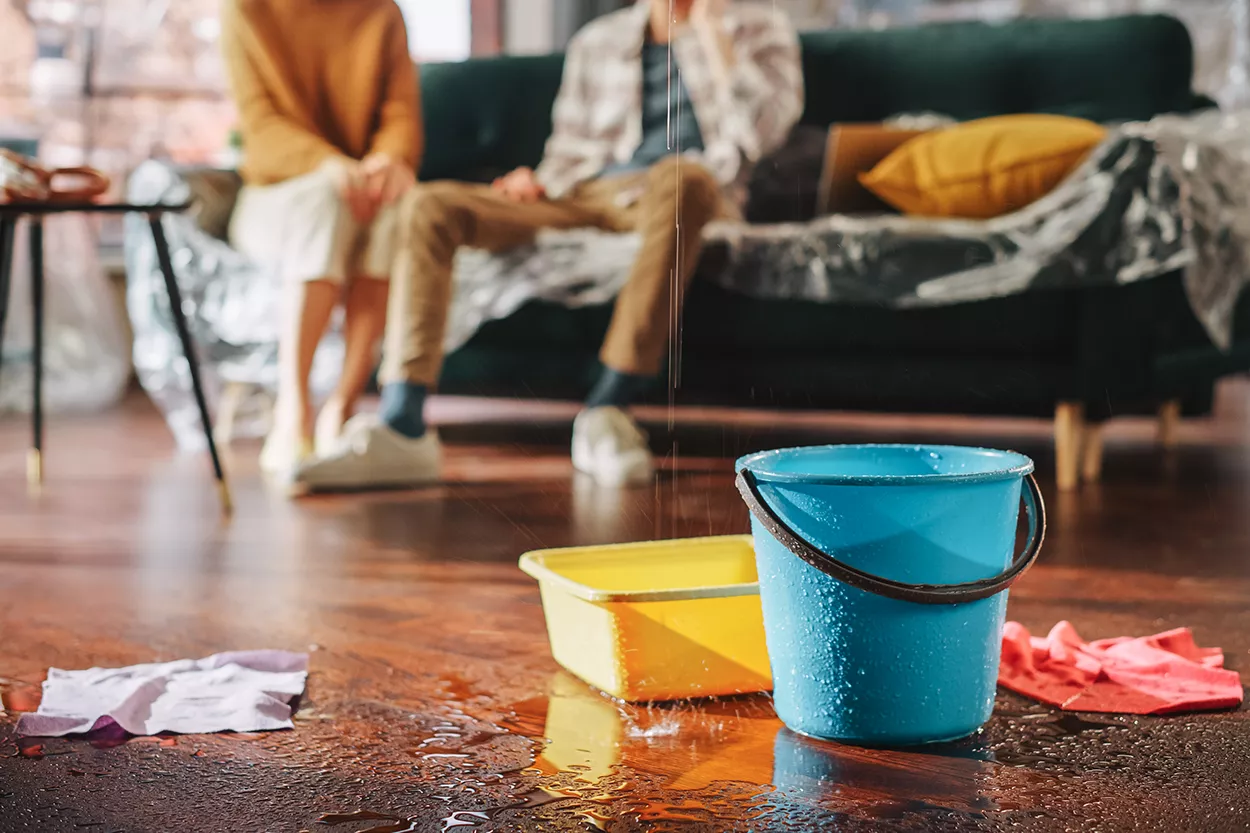
In Australia, water damage leaks are one of the most commonly received home insurance claims, and in the last 5 years, 71% of water damage claims received by NRMA Insurance were lodged as a result of burst pipes.1 As water damage can cause significant damage and loss, we want to help equip you with the skills and knowledge needed to spot the warning signs and know what to do next.
Spotting signs of water damage early can help save you a lot of money repairing issues in the long run. Things to look out for, include:
Tip: Keep an especially close watch on your water bill. A sudden spike in usage and higher than usual bills with no change to your routine, may indicate a water leak.
You’ve noticed one of the signs and now you need to do some sleuthing. If you’re concerned there might be a water leak, try the following test:
Tip: It's best to perform this test a couple of times to increase confidence, reliability and validity in the results.
Flexi-hoses (flexible water hoses) are used to connect appliances (like your dishwasher or washing machine) to a home or apartment’s main water supply. They’re typically found under sinks, vanities and in showers. As a low-cost and convenient alternative to rigid pipe, their prominence in Aussie households has risen; however, the design of some hoses are prone to corrosion and failure2, and when they break, they can cause significant flooding.
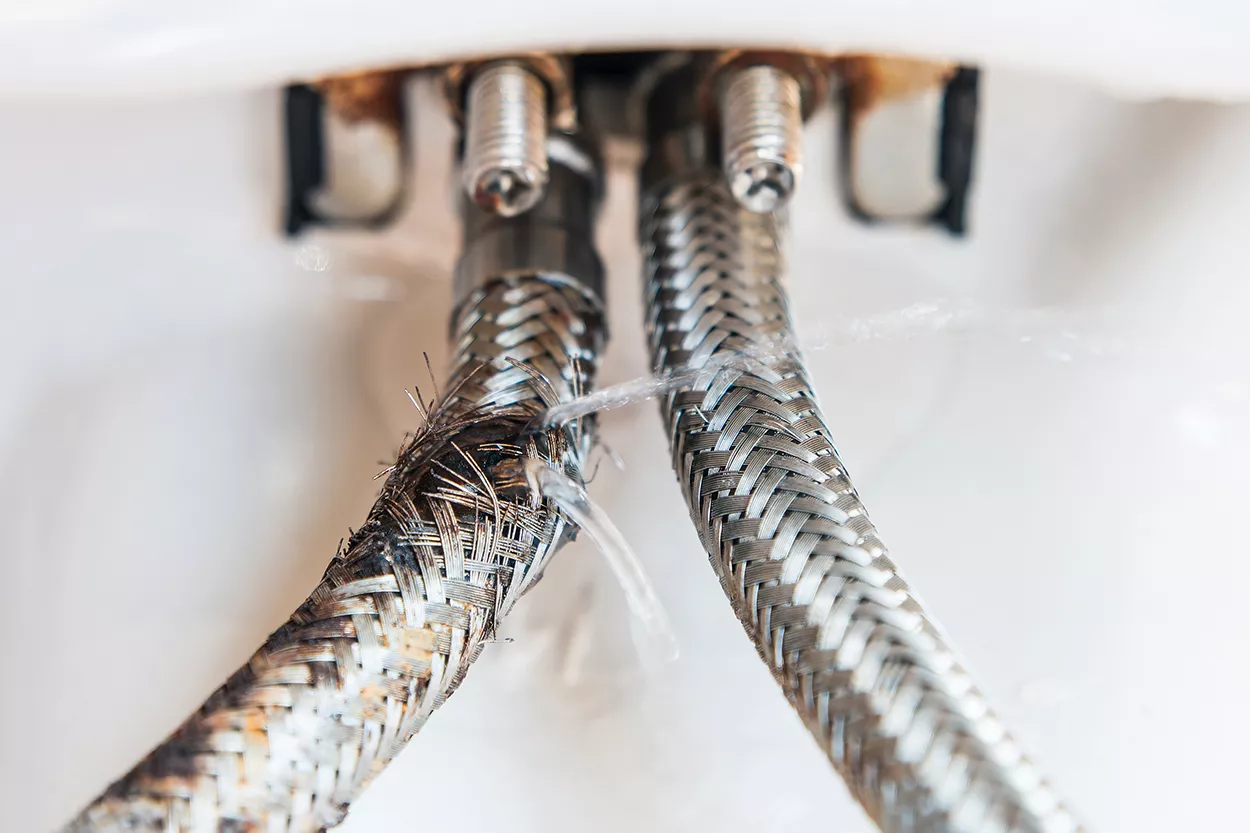
Flexi-hose failure can often be linked back to their design and construction,2 including the type of steel used for the metal braiding, as well as the thickness the elastic tube. But D.I.Yers also have a part to play. Incorrect installation, too loose or too tight, can cause a break. There's also the simple fact of age and corrosion, where the materials used experience a gradual chemical breakdown, reducing tube thickness and increasing hoop stress.2
The result? A lot of water escaping in a short amount of time.
While a burst pipe doesn’t always give warning, there are some things you can do to help prevent damage from occurring:
Tip: If you need plumbing repairs, always make sure the tradesperson has a valid licence. State government websites such as Service NSW can help you check this before you do business with them. If you're in another state, try searching “plumbing licence check” followed by your state.
Turn off the main water supply immediately. If you experience property damage because of a burst pipe and you’re insured with NRMA Insurance, let us know as soon as possible by lodging a claim. We can help arrange clean up and set you up with the right people to repair and replace what has been damaged (within the limits and conditions of the policy in place).
1 Escape of Water Lodgements for burst pipes occurring from 1 July 2021 to October 2026. Excludes liability, landlord and strata claims. Includes NRMA Insurance, SGIC and SGIO lodgements.
2 Taylor, R., Eagar, T. Flexible Water Hose Failures: A Case Study and General Design Considerations. J Fail. Anal. and Preven. 16, 333–336 (2016). https://doi.org/10.1007/s11668-016-0091-4.
Information is current as at the date of publication and may be subject to change. All content on the NRMA Insurance Blog is intended to be general in nature and does not constitute and is not intended to be professional advice. It does not take into account your individual objectives, financial situation or needs. References to third-party organisations, products, services or brands on the NRMA Insurance Blog are for informational purposes only and do not imply any affiliation with or endorsement by NRMA Insurance, unless expressly stated otherwise.