
We've been helping Australians for 100 years
We help you to identify disaster chasers and scammers that may attempt to contact you after a severe weather event.
Share this story:

If the phrase ‘disaster chaser’ gives you flashbacks to Helen Hunt’s performance in the ‘96 feature-film Twister; you’re not alone! In this context however, a disaster chaser refers to an individual posing as an insurer shortly after a storm, fire or flood, rather than a tornado-obsessed meteorologist.
Disaster chasers can pop up through door knocking, mailbox drops and online ads shortly after a major weather event, seeking to deliberately mislead people in need of help, by spruiking fast and cheap repairs. The reality however, is that the services they provide may carry inflated costs, extended delays, and subpar standards; and that’s provided they don’t ghost you after receiving their ‘upfront payment’.
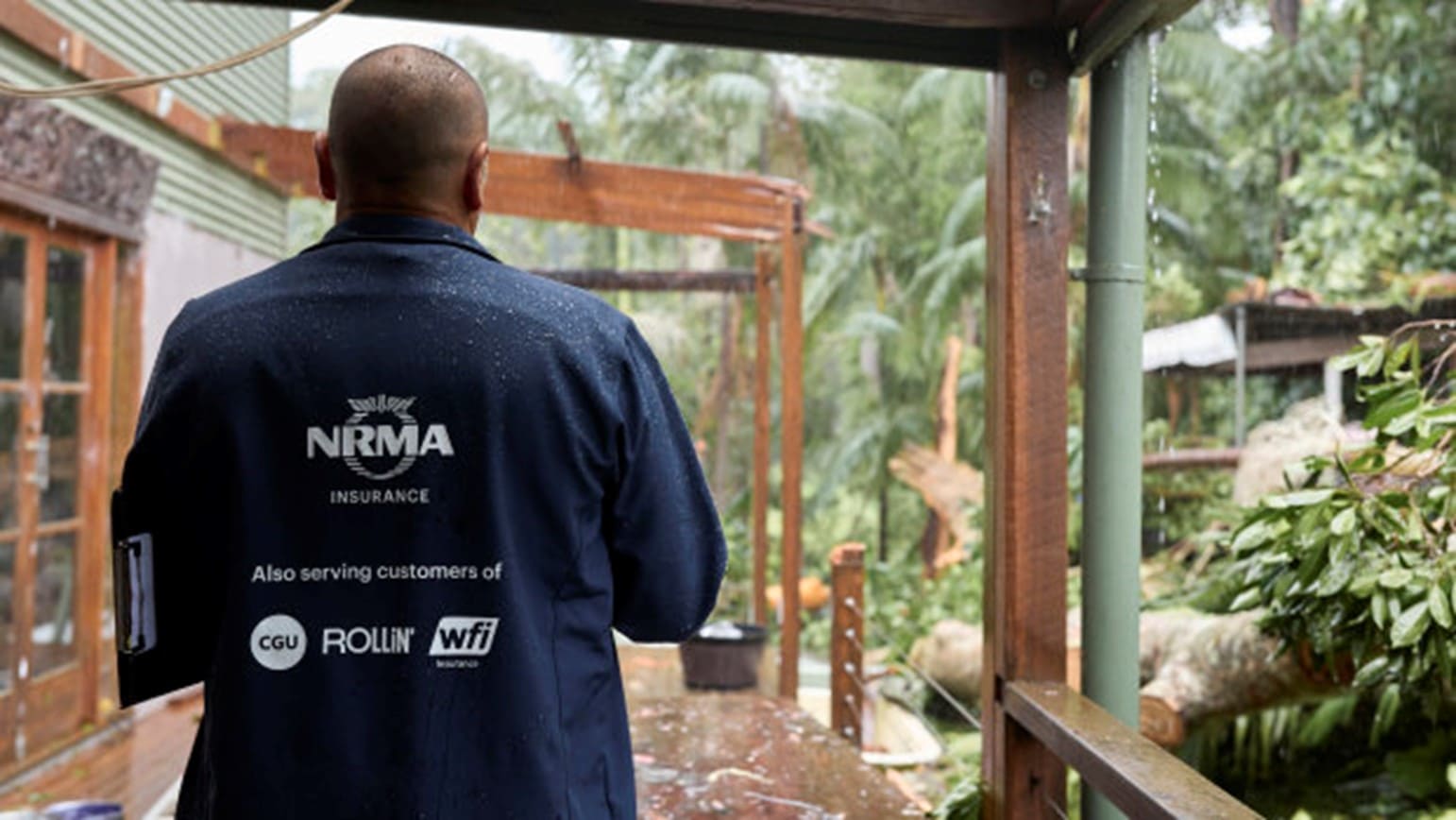
Sadly, “fake operators will typically arrive uninvited at storm-damaged homes and use high-pressure sales tactics to secure agreements” says Luke Gallagher, Executive General Manager of Claims at NRMA Insurance. As such, you’ll want to be on the lookout for people who:
Remember: an insurer like NRMA Insurance will never send an assessor or emergency-repairs team to your home without first arranging it with you after you make a claim.
Opportunistic criminals thrive in the online space, targeting well-meaning individuals and bargain-hunting buyers. Unfortunately, it’s all too common these days to come across fake charities, fundraising pages and scam offers purporting to help communities recovering from severe weather events. Some online scammers even go so far as to use advanced Search Engine Optimisation (SEO) and ad-spoofing tactics to claim top spot on Google searches for queries like “how to make an insurance claim”.
Spotting scams can be tricky, because they’re designed to look like legitimate companies promoting legitimate products. Not only that, but scammers can reach you via all sorts of channels, text, phone, email, social media, and websites.
The most important thing to remember is to take your time. Stop, check and reflect before acting, and be on the lookout for:
Tip: For more information on types of scams, head over to scamwatch.com.au.
At NRMA Insurance, our fraud and security teams are continually working to better safeguard your personal information to protect you against scams.
If you’re concerned, give us a call on 132 132. You can also report a scam by visiting the Australian Cyber Security Centre.
Information is current as at the date of publication and may be subject to change. All content on the NRMA Insurance Blog is intended to be general in nature and does not constitute and is not intended to be professional advice. It does not take into account your individual objectives, financial situation or needs. References to third-party organisations, products, services or brands on the NRMA Insurance Blog are for informational purposes only and do not imply any affiliation with or endorsement by NRMA Insurance, unless expressly stated otherwise.