
We've been helping Australians for 100 years
Want to be a rideshare driver in Australia? We help summarise some key points on insurance.
Share this story:

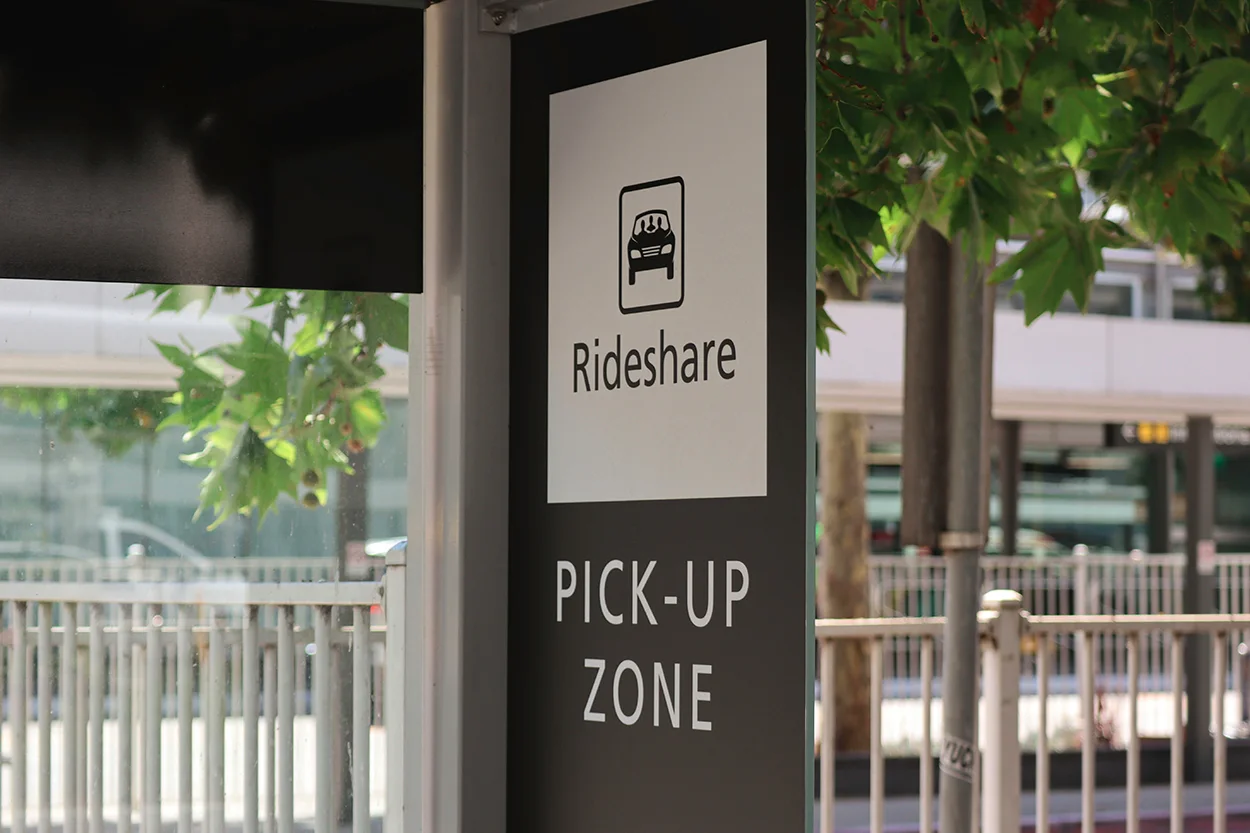
Ridesharing, also known as ride-sourcing, is when you use your car to drive passengers to different locations for a fare. Think Uber, Didi, and Shebah. Passengers looking for a lift can choose their ride, set their location, and wait for their driver to arrive. The app will show them a fare estimate, the driver’s profile and car rego, and a map of the requested journey.
To start ridesharing in Australia, rideshare platforms generally require drivers to have:
Not all insurers will cover rideshare driving, while others might include it as part of a personal car insurance policy, like comprehensive car cover. What’s covered may also differ depending on who you’re insured with. It all depends on the provider and their products, so it’s important to check the details.
Compulsory Third Party (CTP) insurance is required for registered motor vehicles used for ridesharing, which helps cover personal injury to others in a road accident. In fact, CTP Insurance is mandatory for all registered vehicles in Australia, not just rideshare drivers.
CTP works differently across Australia, so here’s a brief rundown of what you need to know:
For an overview on how CTP Insurance works and why it's mandatory, see: Why do I need CTP Insurance?
Not all insurance providers cover ridesharing as part of a personal car insurance product. If it is included, it may have conditions or limitations associated with it. This is why it’s important to talk to your insurer about your intentions to start rideshare driving.
NRMA Insurance includes rideshare cover as part of our Third Party Property Damage, Third Party Fire and Theft and Comprehensive Car Insurance policies. Keep in mind, the maximum time your car can be used for ridesharing is 10 hours per week. This is the combined total for all drivers who use your car. This cover is only available if you’ve told us you’re using your own personal car for ridesharing. For full details, including terms and exclusions, refer to the relevant PDS.
To find out if your income you earn from ridesharing with Uber, DiDi or Shebah, is assessable income and needs to be reported in your tax return speak to a qualified accountant or registered tax professional to ensure you get the right information for your specific circumstances. The Australian Taxation Office website also has plenty of information on income and tax deductions for ridesharing, plus a handy checklist download to help you prepare for tax time.
Information is current as at the date of publication and may be subject to change. All content on the NRMA Insurance Blog is intended to be general in nature and does not constitute and is not intended to be professional advice. It does not take into account your individual objectives, financial situation or needs. References to third-party organisations, products, services or brands on the NRMA Insurance Blog are for informational purposes only and do not imply any affiliation with or endorsement by NRMA Insurance, unless expressly stated otherwise.