
We've been helping Australians for 100 years
Thinking about switching to electric? Here are some key considerations for electric vehicle (EV) ownership costs.
Share this story:

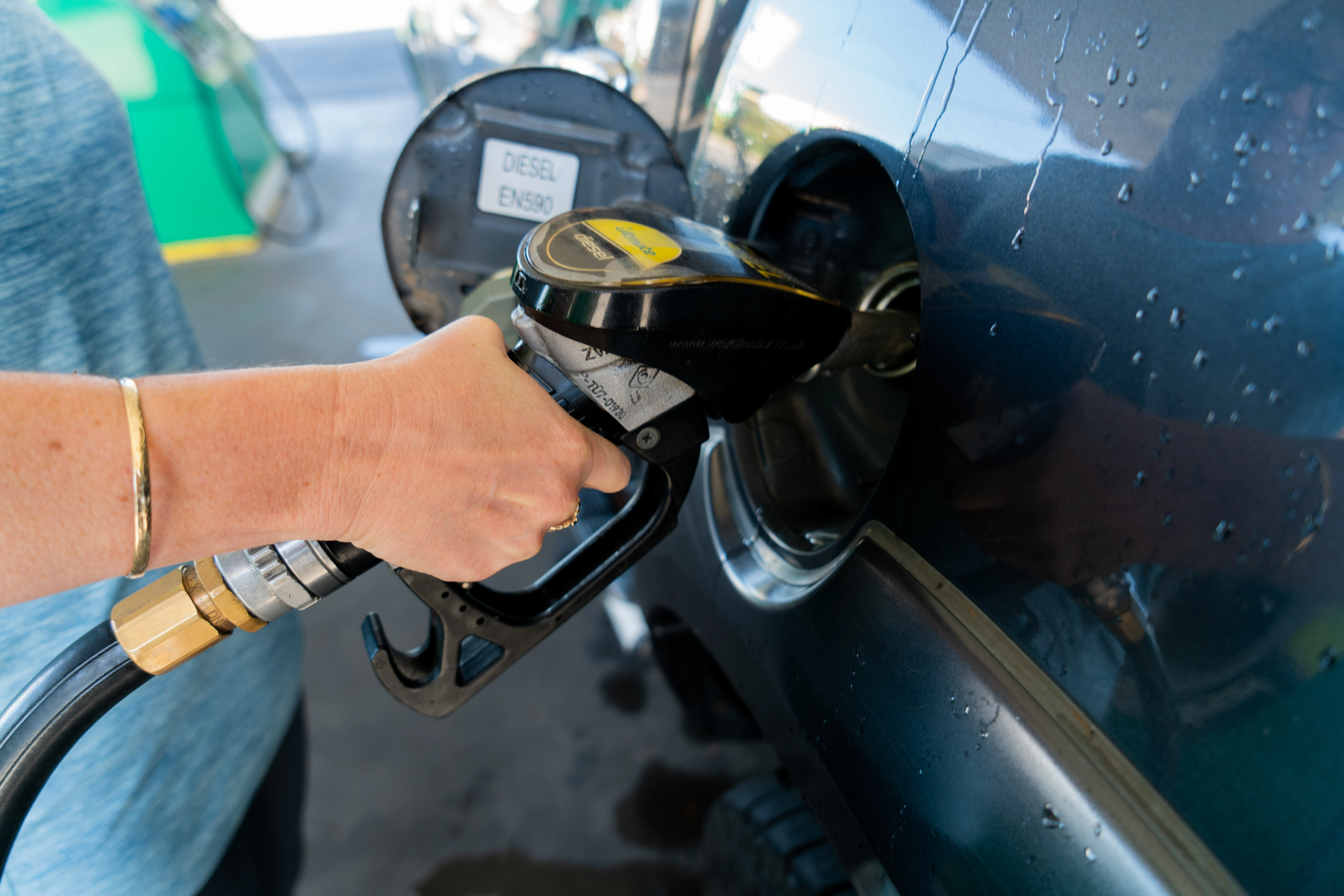
In the December quarter 20251, the average price of petrol across the 5 largest cities in Australia — Sydney, Melbourne, Brisbane, Adelaide, and Perth – was 180.4 cents per litre (cpl). This year, motorists have experienced sky-rocketing prices at the pump, reaching up to $3 in some locations, due to events in the Middle East impacting crude oil pricing and distribution.
While fluctuating petrol prices aren’t necessarily new, the recent volatility has many motorists wondering, would it be cheaper to switch to electric?
A key aspect of understanding affordability is knowing that not all EVs are the same. Here’s a brief overview:
According to the Electric Vehicle Council, some EV owners can save between $300-400 every year in maintenance costs compared to an equivalent combustion engine vehicle. This is due to battery-operated electric vehicles having fewer parts than cars with an internal combustion engine. For example, with a BEV, there’s no need to change auxiliary fluids, like engine oil.
There has been a steady uptick in the number of affordable EVs available in the Australian market over recent years. According to the National Electric Vehicle Strategy 2024-25 Annual Update, the number of electric car models priced below $60,000 at the end of 2023-24, increased by 66% by June 20252. The second-hand market is also growing, with findings from the same report revealing that sales for used EVs nearly doubled year-on-year, assisting with affordability.
Naturally, the price of the car you drive away with often depends on the size of the vehicle. Smaller battery-electric urban cars generally cost less than a family-sized SUV or hardy ute.
The prices shared below are based on the manufacturer’s advertised drive-away price in New South Wales (or nationally) for private buyers, current at the time of publication. Prices are indicative only and may change without notice. Different offers may be available based on your location. NRMA Insurance doesn’t have any affiliation with the carmakers mentioned and doesn’t endorse any particular vehicle. For the most up-to-date pricing, visit the manufacturers’ website.
If your sights are set on a zippy little BEV for inner city driving, there’s no shortage of carmakers ready to woo you, with many options available under or around the $30,000 mark. Here’s 5 of the cheapest electric hatchbacks we could find:
| Make | Model | Body | Drive-away price* |
|---|---|---|---|
| BYD | BYD ATTO 1 Essential | Hatch | $23,990 |
| BYD | Dolphin Essential | Hatch | $33,276.52 |
| MG | MG4 EV Urban | Hatch | $31,990 |
| GAC | Aion UT | Hatch | $32,990 |
| GWM | Ora Lux | Hatch | $33,990 |
*Prices can change and different offers may be available based on your location.
Need a bigger car? Medium-sized electric SUVs are a family-friendly option offering comfort and practicality. Generally, you’ll see BEVs in this category priced upwards of $36,000. Here’s the 5 cheapest we could find:
| Make | Model | Body | Drive-away price* |
|---|---|---|---|
| Jaeco | J5 EV | SUV | $36,990 |
| BYD | BYD ATTO 3 Essential | SUV | $39,990 |
| MG | MG S5 | SUV | $40,990 |
| Geely | EX5 | SUV | $41,990 |
| GAC | Aion V | SUV | $42,590 |
*Prices can change and different offers may be available based on your location.
If the classic 2 + 5 option is just too small for your needs, don’t worry. Options are available for larger families, with extra seats and generous cargo space, but you may need to opt for a hybrid vehicle to help keep costs down. While 7-seaters are typically priced well above $100,000, there are still some affordable options available. Here’s what we could find:
| Make | Model | Fuel type | Drive-away price* |
|---|---|---|---|
| Chery | Tiggo 8 Pro Max | Hybrid | $38,990 |
| MG | MG QS | Hybrid | $46,990 |
| Kia | Kia EV9 Air | Electric | $106,596.27 |
| Hyundai | IONIQ 9 | Electric | $129,135.97 |
| Volvo | EX90 Plus (Standard) | Electric | $140,096 |
*Prices can change and different offers may be available based on your location.
Australian federal, state and territory governments have set a target to achieve net zero emissions by 2050. Recognising the role EVs can play, some state and territory governments offer rebates and discounts for people buying EVs. Rebates and eligibility criteria are subject to change. To see what’s available, visit your local government website:
In 2022, the Australian Government introduced the Electric Car Discount legislation. The discount aims to increase EV uptake by helping to reduce the upfront cost. It works by providing a fringe benefits tax exemption for eligible cars made available for employees by employers, commonly through salary packaging. Eligibility criteria and conditions apply.
For more information, head to the Australian Taxation Office website.
It’s not possible to provide a single dollar amount for how much it costs to charge an EV, because many different variables influence the price, including:
However, the Green Vehicle Guide’s home charging calculator is a useful tool you can use to help estimate the time and cost of charging your vehicle at home.
EV owners typically have the same car insurance options available to choose from as drivers who want to insure a combustion engine vehicle. Premium amounts are unique to each person, and the price charged for each policy could be based on a range of factors, including:
For information on how NRMA Insurance calculate car insurance premiums, see our Car Insurance Premium, Excess and Discounts Guide.
1 Australian Competition & Consumer Commission. (2026, March 6). Report on the Australian petroleum market: December quarter 2025. https://www.accc.gov.au/about-us/publications/serial-publications/australian-petroleum-industry-quarterly-reports/quarterly-report-on-the-australian-petroleum-market-december-quarter-2025
2 Department of Climate Change, Energy, the Environment and Water. (2025). National Electric Vehicle Strategy Annual Update: 2024- 25. Australian Government. https://www.dcceew.gov.au/energy/transport/national-electric-vehicle-strategy
Information is current as at the date of publication and may be subject to change. All content on the NRMA Insurance Blog is intended to be general in nature and does not constitute and is not intended to be professional advice. It does not take into account your individual objectives, financial situation or needs. References to third-party organisations, products, services or brands on the NRMA Insurance Blog are for informational purposes only and do not imply any affiliation with or endorsement by NRMA Insurance, unless expressly stated otherwise.