We've been helping Australians for 100 years

You've got this and we've got you

Your guide to boating with Jack Murphy from 'The Captain' magazine.

“My crew reckons there's no boat too big or too small. It's all about just getting out and enjoying the water.”

— Jack from 'The Captain'.

Meet Jack from 'The Captain'

My passion for boating began aboard a small, army green canoe. My old man bought it for me when I was 13 years old and from that moment I was hooked. I upgraded to a rickety dinghy while I saved my pennies for my first ‘big boat’, a 5.6m Caribbean with an old Yamaha 115HP two-stroke, a far cry from my job as a deckhand on James Packer’s superyacht.

I made my way polishing other people’s fibreglass until I started a weekly fishing blog, amassing 30,000 followers by the time I was 19. Today, I’m the proud co-creator and author of ‘The Captain’ where we share tips, stories and great info about all things boating and fishing.

So, I’ve created a guide to all things boating as well as sharing a selection of popular boat ramps through-out New South Wales, Queensland, South Australia and Western Australia.

Whether you’re a beginner or a seasoned boatie, consider me as your superhero of the sea.

Buying your first boat

So, you’ve finally decided to bid adieu to life as a landlubber and become a captain on the high seas. Good choice. Welcome to the world of boats.

What floats your boat

Step one for buying your first boat is simple — choose your ride. Will you be cruising, fishing, sailing, wakeboarding, waterskiing or hunting for sunken treasure? Next, think about how many people you plan on taking out and what size boat you’ll need.

Do you plan on taking it offshore?

Top tips

Tinnies tend to be lighter, which is great for towing and means you can also get a bigger boat. However, tinnies can be noisier and don’t usually have the same ride quality as fibreglass boats.

Fibreglass or GRP (glass reinforced plastic) boats tend to ride softer and faster due to their smoother lines and relative heavy weight. However, that weight comes at a cost.

Outboard engines are popular because they allow the lower unit of the motor to be kept clear of the water for trailering or when not in use. If you’re still unsure about what type of boat you want to get, a good idea is to head to a boat show where you’ll be able to jump aboard everything from a tinnie to a super yacht.
New versus second hand

In most cases, a boat will immediately lose value the moment it sails off the showroom floor. In the long run, this can be a small price to pay compared to buying a second-hand boat which may have serious issues.

When buying new from a boat dealer, the BMT (boat, motor and trailer) will come with warranties, you’ll get a full rundown on how everything works in the handover and you’ll always have someone to call if you’ve got any questions or problems. If you do decide to buy second-hand, ask the owner to supply the boat’s HIN (hull identification number) so you can check the online database to make sure it’s (a) owned by the seller, and (b) no finance companies have a claim to it. Like a second-hand car purchase, you should always ask to see the motor’s service history and receipts for any work allegedly done.

Read the full article.

Consider getting protection for your boat. NRMA Boat Insurance includes cover for accidental damage on or off the water, up to your agreed value.

Think you're ready to set sail?

Preparation starts before you leave home.

“When it comes to safety, you should always run a tight ship. If you’re the skipper, the wellbeing of your family and friends comes first.”

— Jack from 'The Captain'.

Safety first, always

You can’t leave port without all the relevant safety gear. Here’s a basic checklist for in-shore waters:

Waterproof torch

Lifejacket (PFD type 1) for every person on board

Anchor and chain

Bailer or bucket with lanyard

Fire extinguisher

Electric or manual bilge pump

Flares

Paddles or a secondary propulsion method

Sound signal

Mobile in waterproof bag

“Always make sure your safety gear is in date as items like flares expire and inflatable lifejackets need servicing. Safety equipment regulations also vary from state-to-state so check with your local authority.”

— Jack from 'The Captain'.

Maintaining your new boat

When it comes to owning a new vessel, The Captain’s creed is:
"Love your boat and it’ll love you back."

Keep your eyes peeled

Keen observation plays a critical role in boat maintenance. For example, water leaks, oil leaks, hot spots, temperatures, noises, vibrations and warning alarms should come to the attention of an attentive skipper. If it’s your first time on the water, these are the things you should look out for.

The Captain's top 10 daily checks

  1. Check oil levels in a four-stroke motor. The black, slippery stuff helps dissipate heat from mechanical components and removes nasties.
  2. Gearbox seals can leak due to ingress from fishing lines, eventually causing mechanical failure. A regular gearbox oil change will keep things in good condition.
  3. A water-separating fuel filter is designed to catch the impurities and water before they reach your engine.
  4. The cooling system helps to dissipate heat before things go BOOM! Key items to monitor are cooling levels (for inboard motors), gauges, alarms and the telltale emanating from the leg of your outboard.
  5. Check all skin fittings, valves, hoses and hose clamps. These can be found on the engine and also on the lower surface of the hull.
  6. Batteries should be fully charged, secured to the vessel and all connections tightened.
  7. Check the anodes. To do their job properly, anodes need to be exposed and in good condition. Painting them or covering them in antifoul will render them useless.
  8. Fuel for thought. Buy the best fuel you can, from a reputable source. 98 octane has the longest lifespan of any fuel in Australia and is guaranteed to contain no ethanol.
  9. Trailer failures. Lack of trailer maintenance can leave you stranded on the highway. Be sure to check the wheel bearings by jacking up the trailer and making sure the wheel has no lateral (side-to-side) movement.
  10. Pre-trip check. Make sure you’ve got the keys to the boat, bungs, safety gear, electronics, provisions (including water) and plenty of fuel for your trip. Whatever you do, don’t forget the bait!

Royal flush

To prevent overheating, most marine engines rely on seawater to cool things down. But the salty stuff that stings your eyes can also sting your wallet if it’s not flushed out of the motor after use. After each trip, wash the whole boat down with warm soapy water. Don’t use alkaline detergents on aluminium boats. Then open all the compartments and let the boat dry out. When completely clean and dry, cover your boat from the sun. That big ball of fire in the sky can quickly dull your brand-new tinnie or fibreglass boat, fade upholstery and potentially cook your electronics.

Consider getting protection for your boat. NRMA Boat Insurance includes cover for accidental damage on or off the water, up to your agreed value.

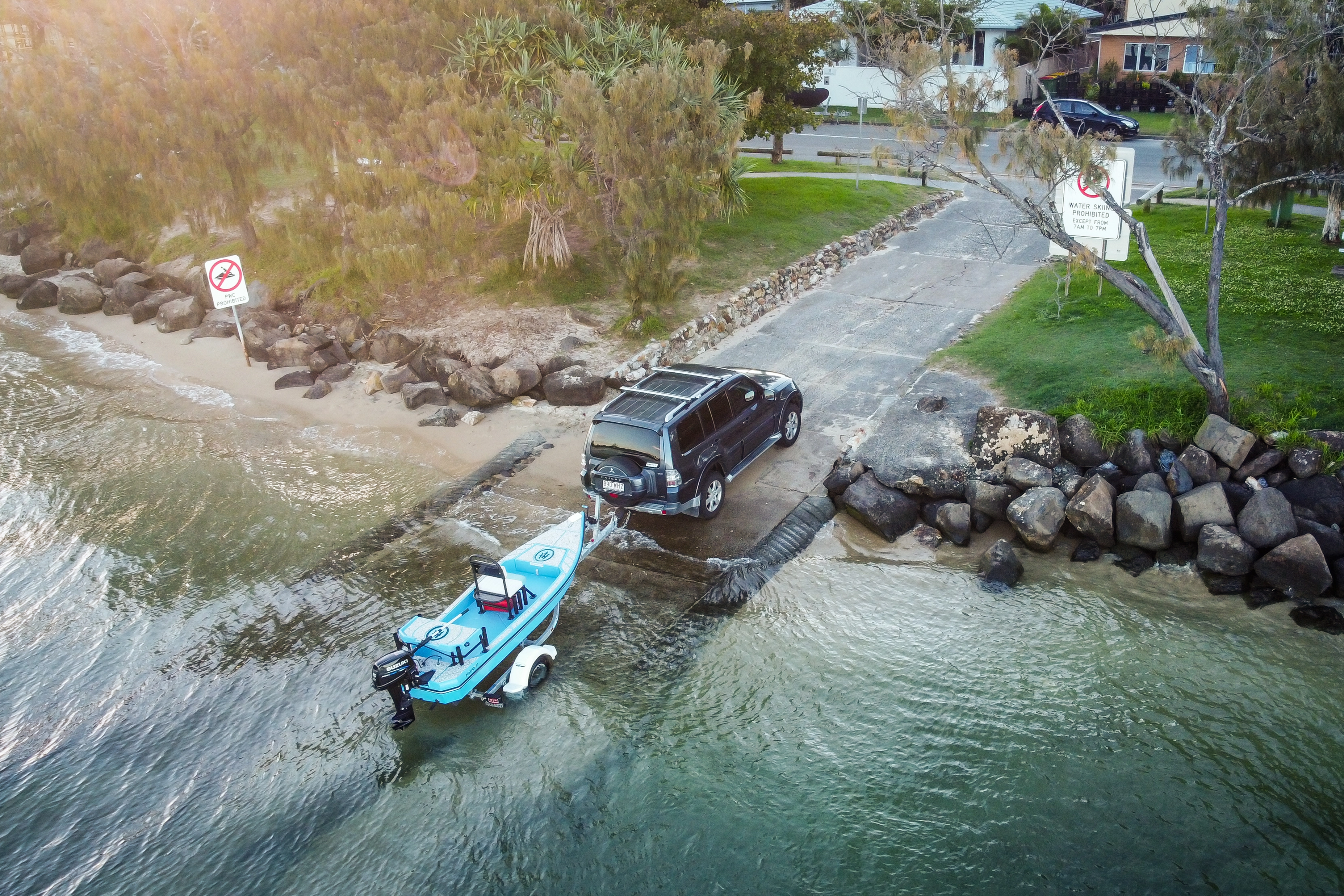
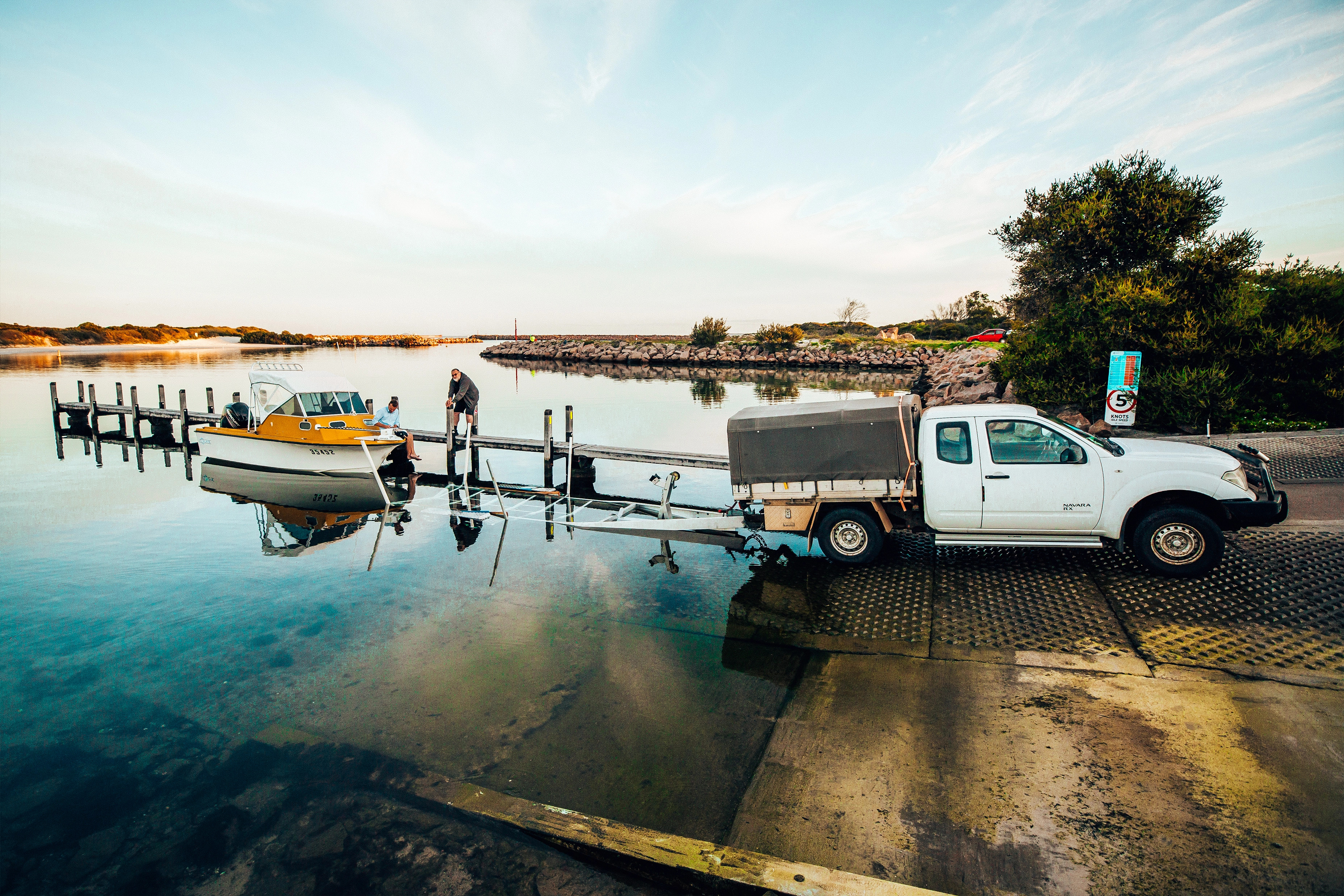
“A handy tip is to line up your boat as straight as possible. Look in your left and right side mirrors as your reverse down. If you see more of the boat start appearing in the right mirror, turn the steering wheel to the right and vice versa.”

— Jack from 'The Captain'.

“Don’t be afraid to ask others for help or to help others that may need it.”

— Jack from 'The Captain'.

Ramp Rater

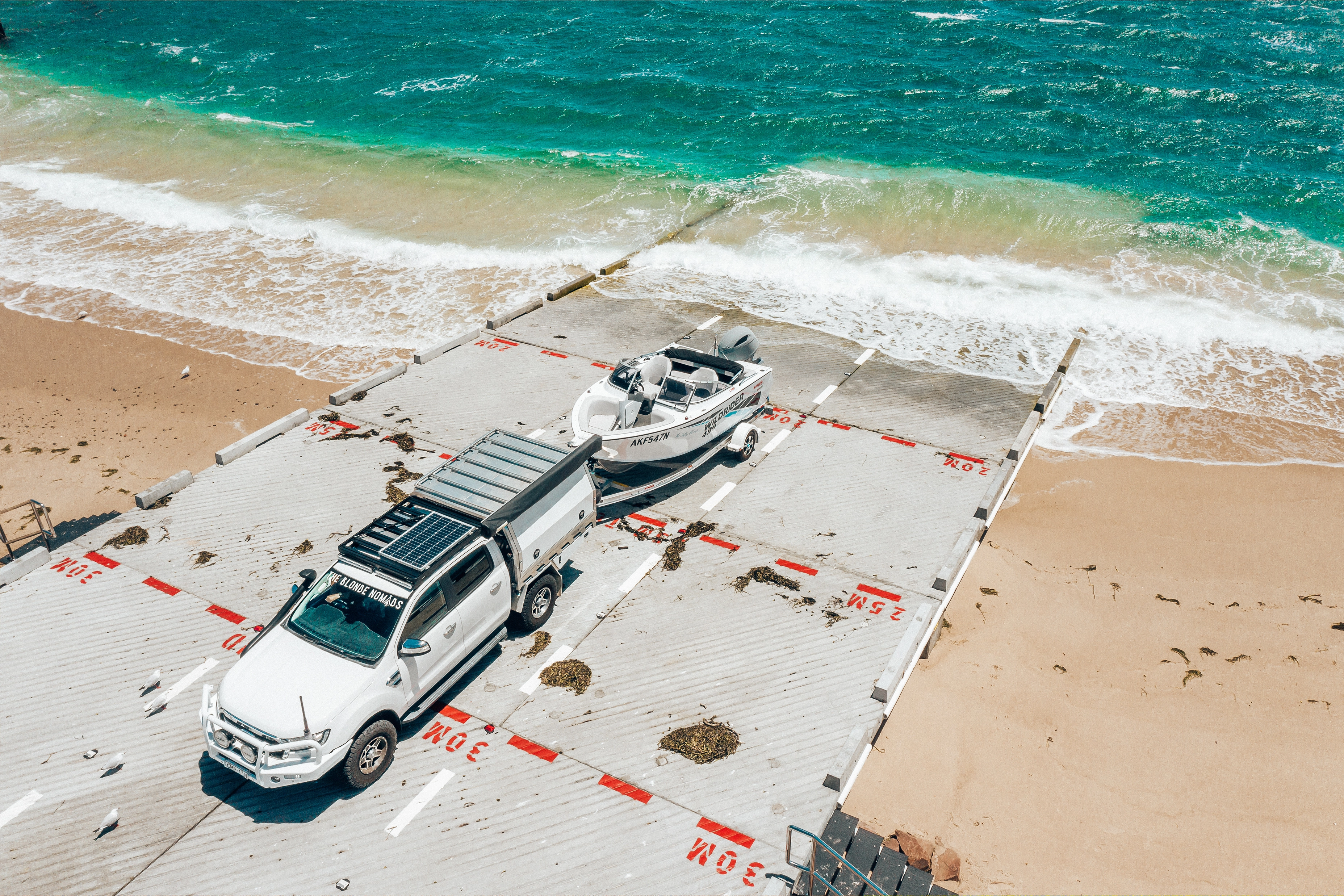
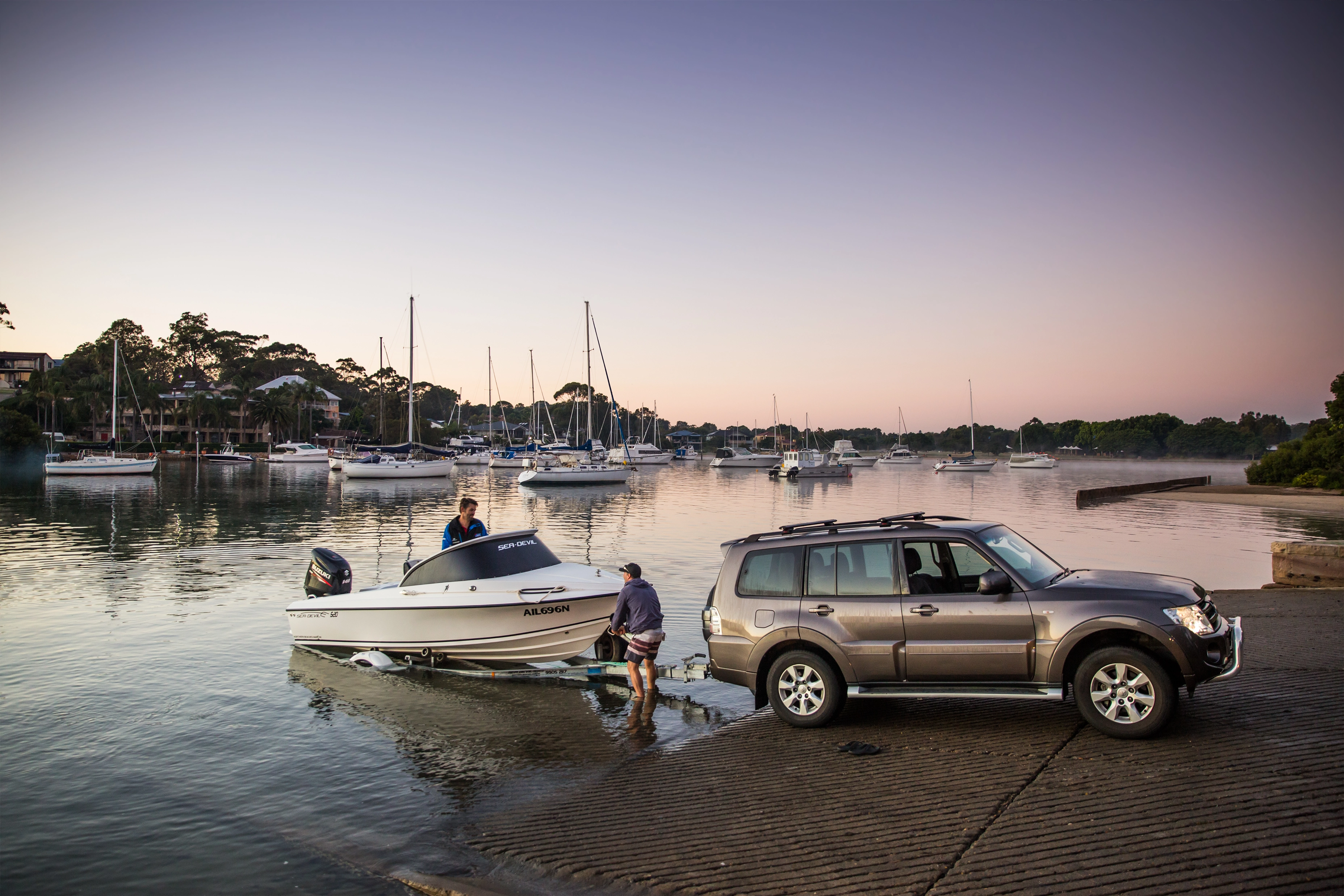
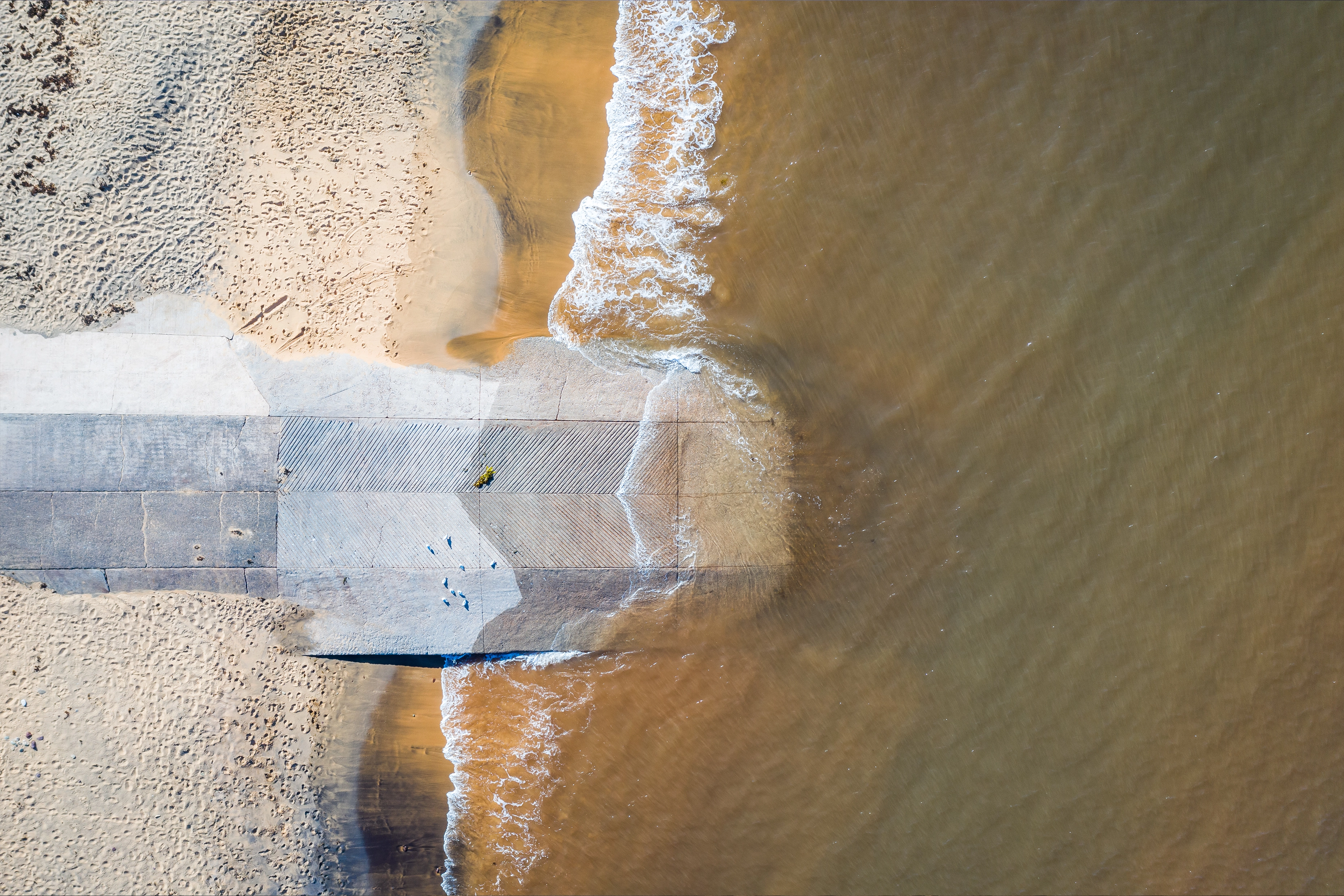
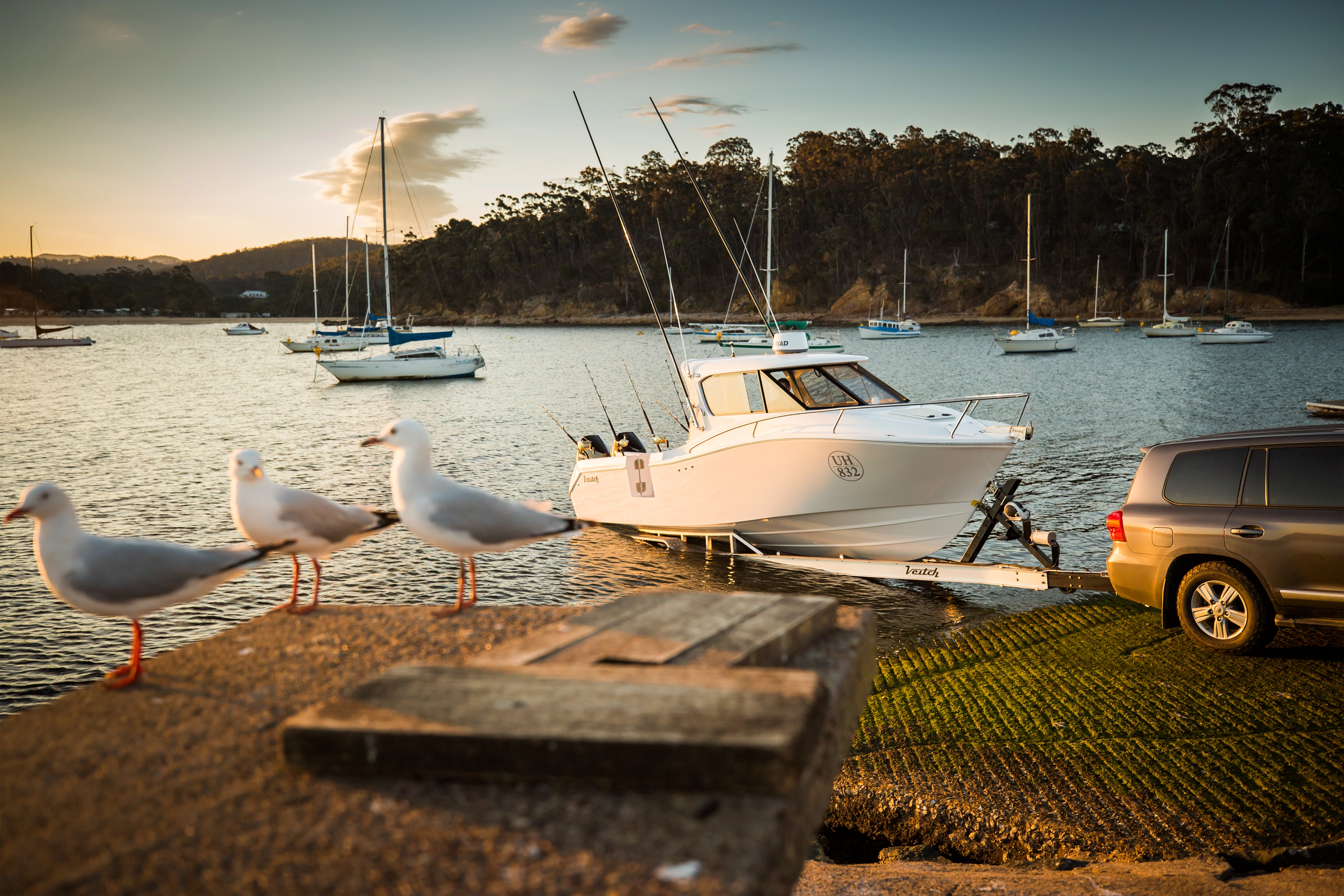
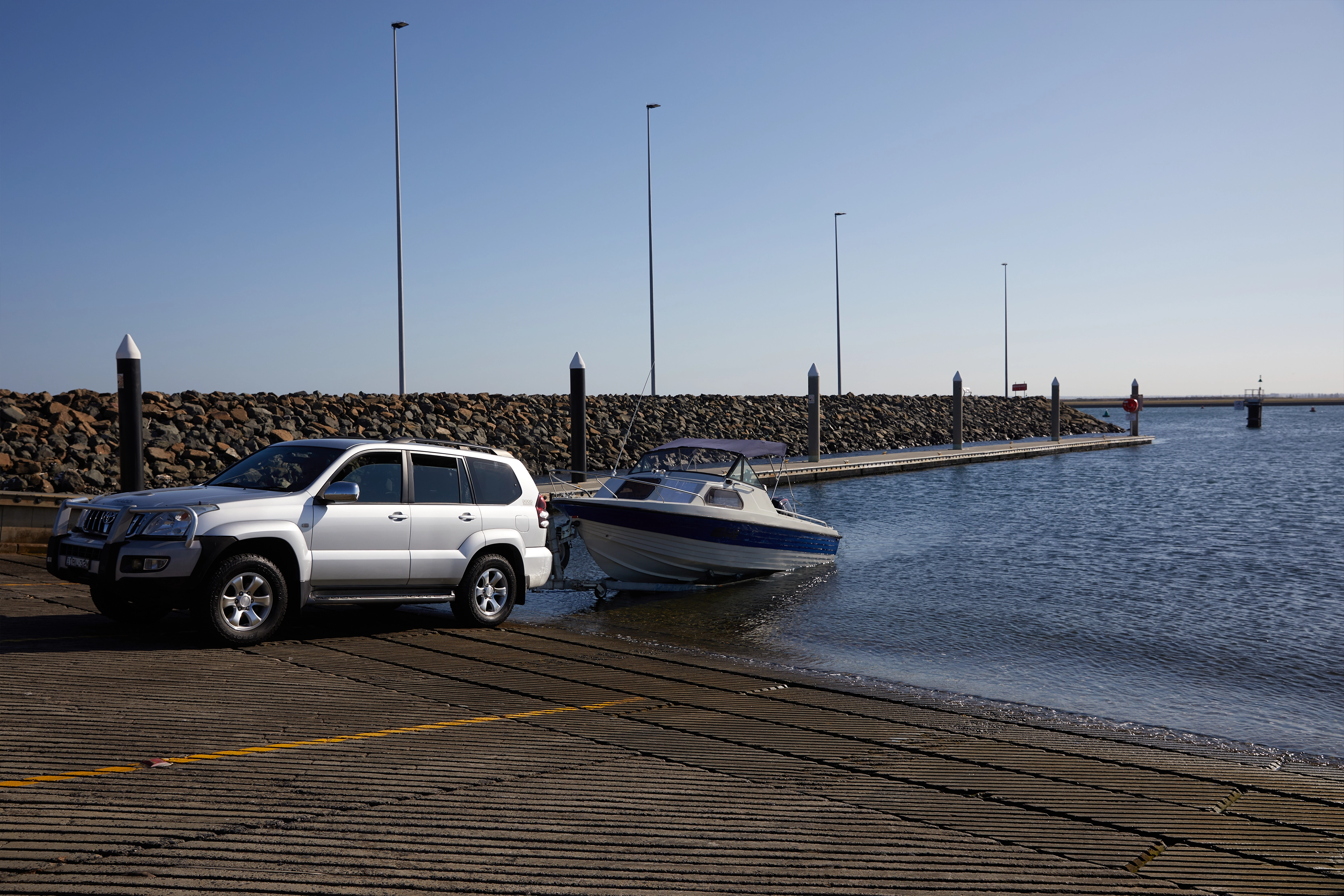
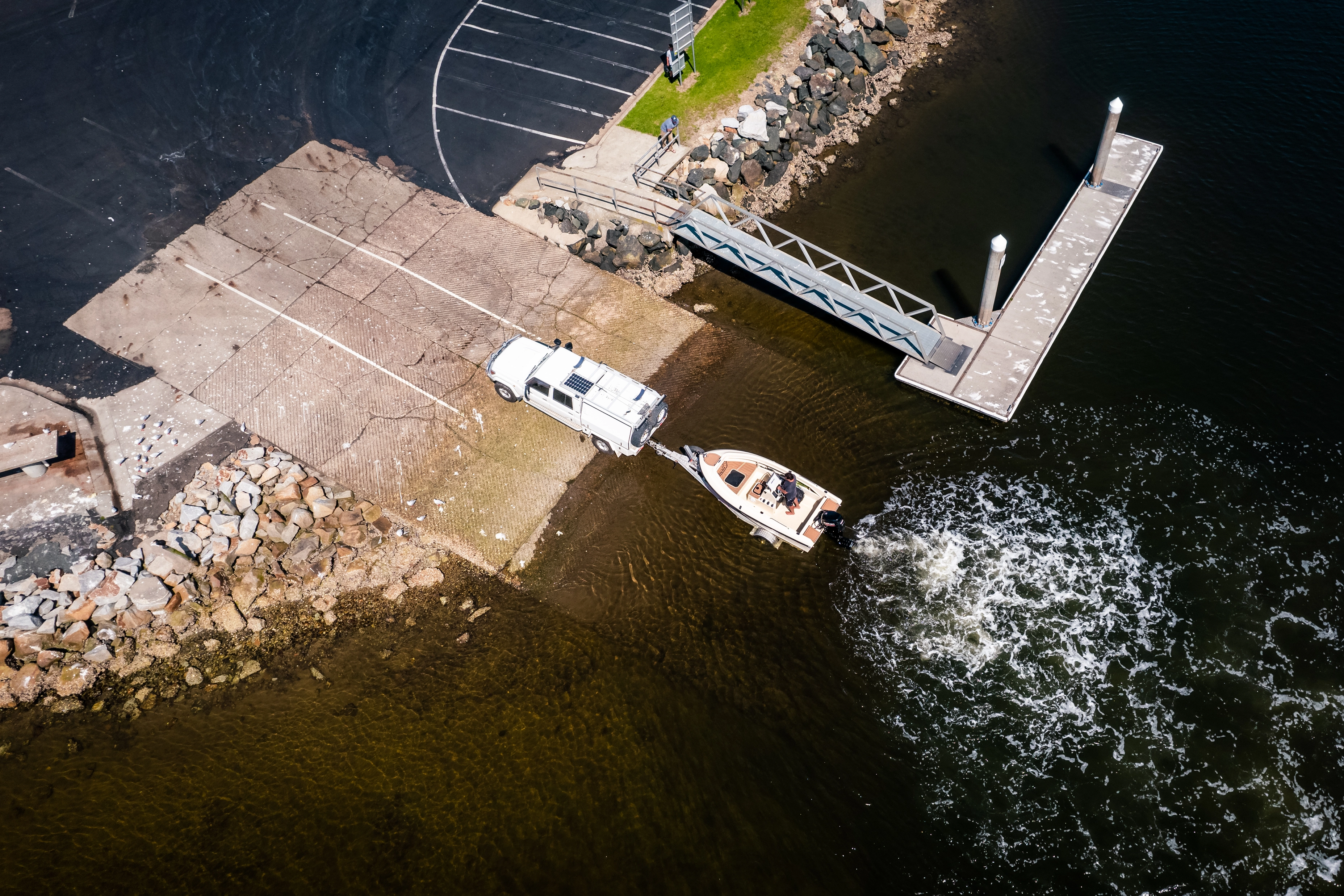
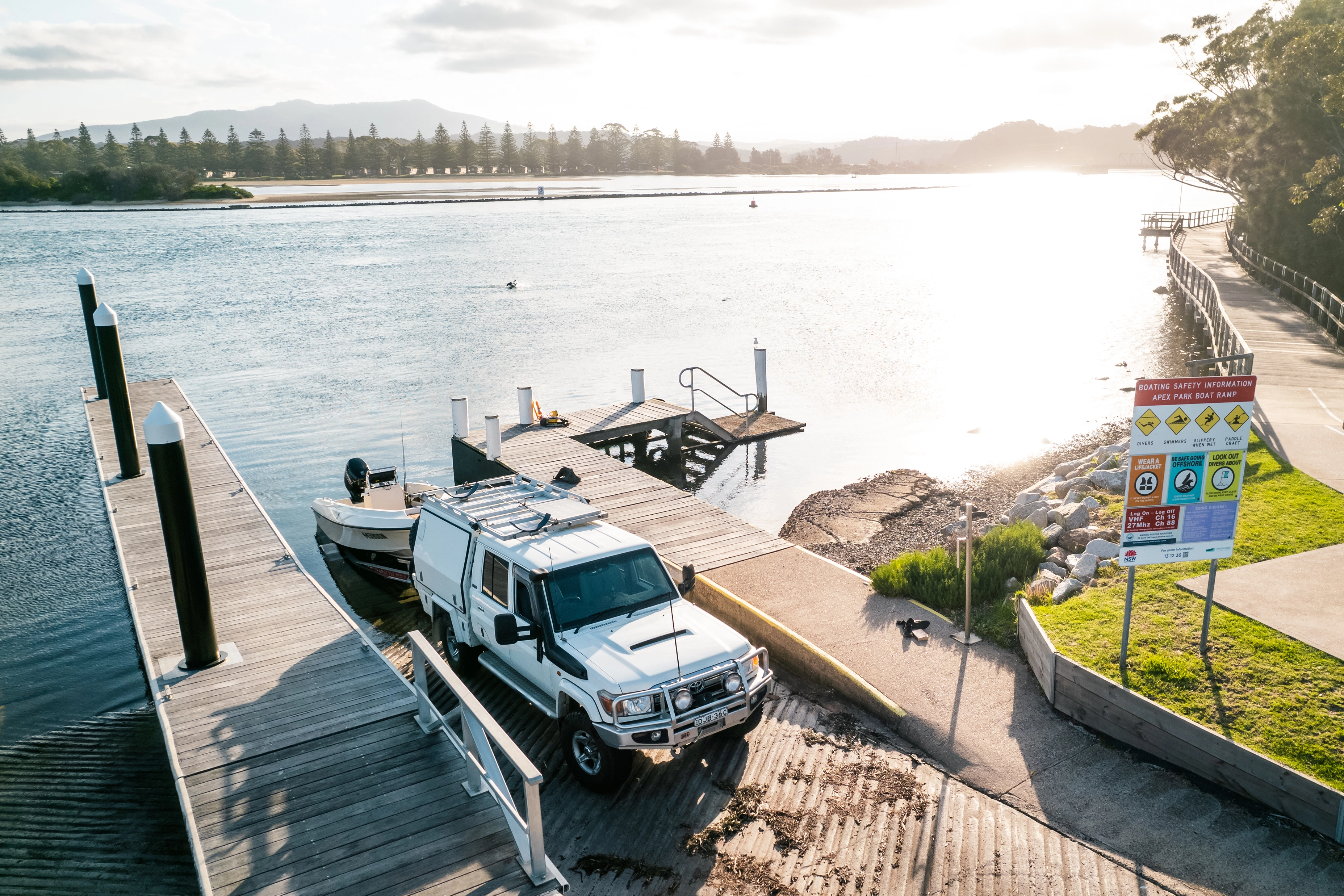
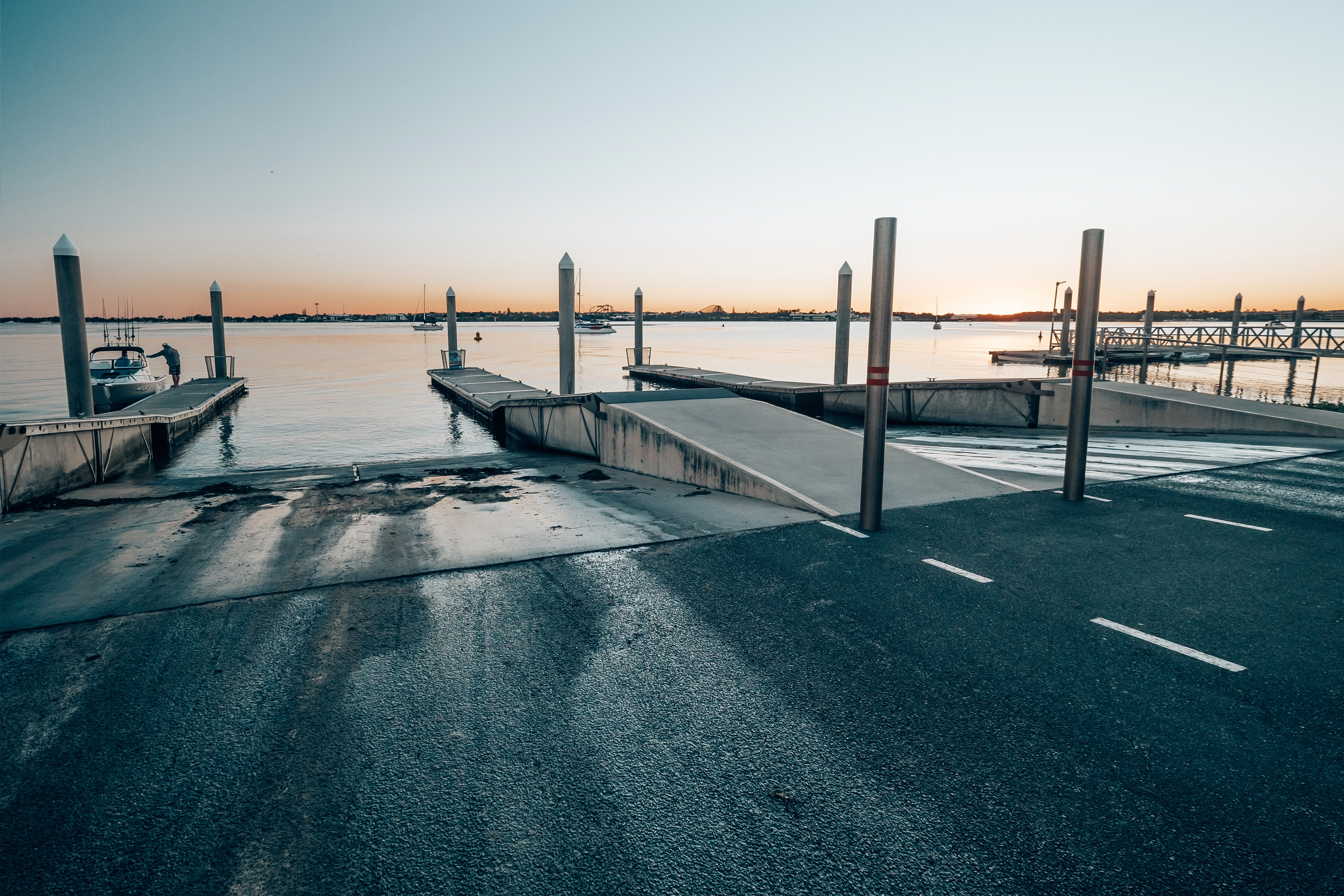
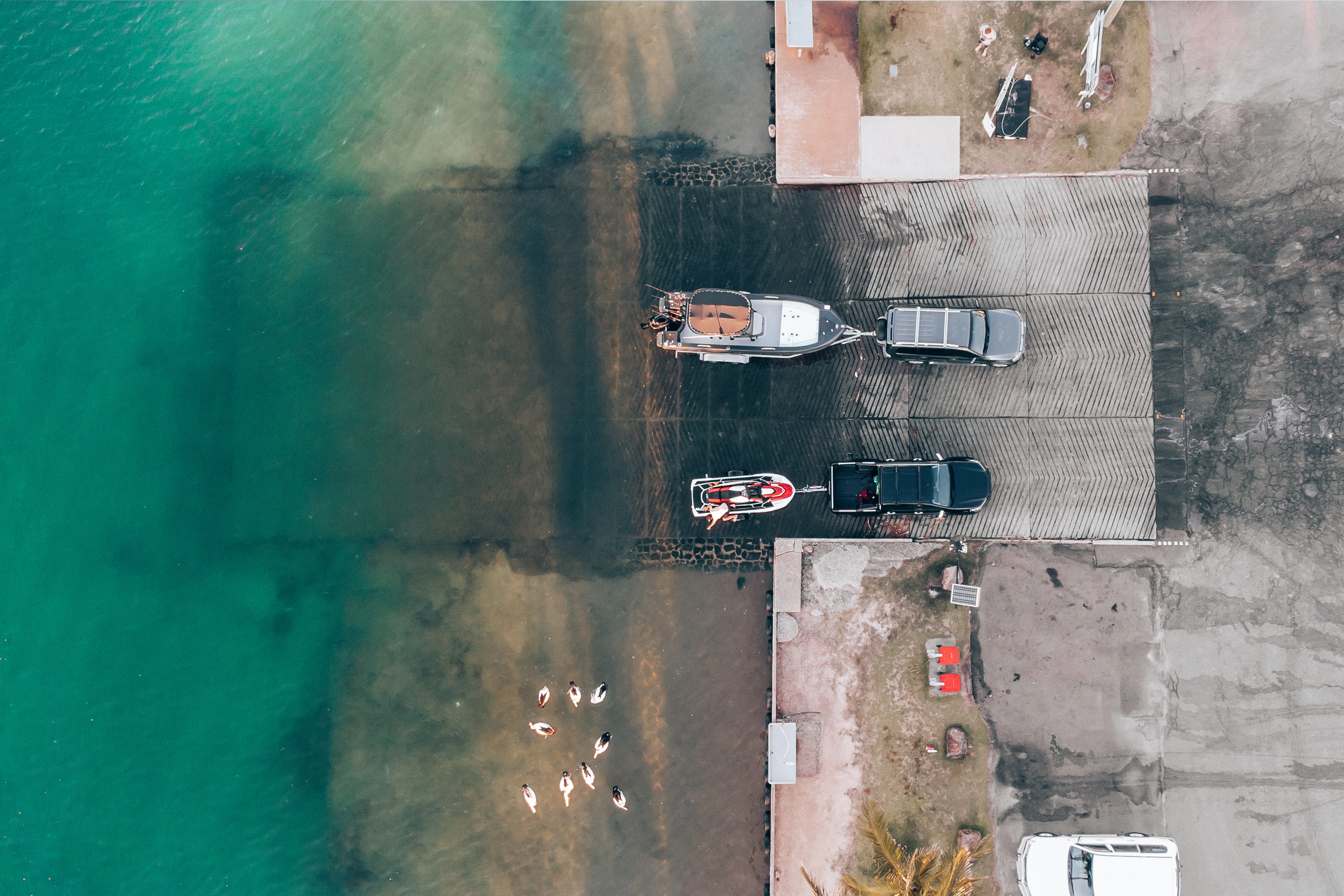
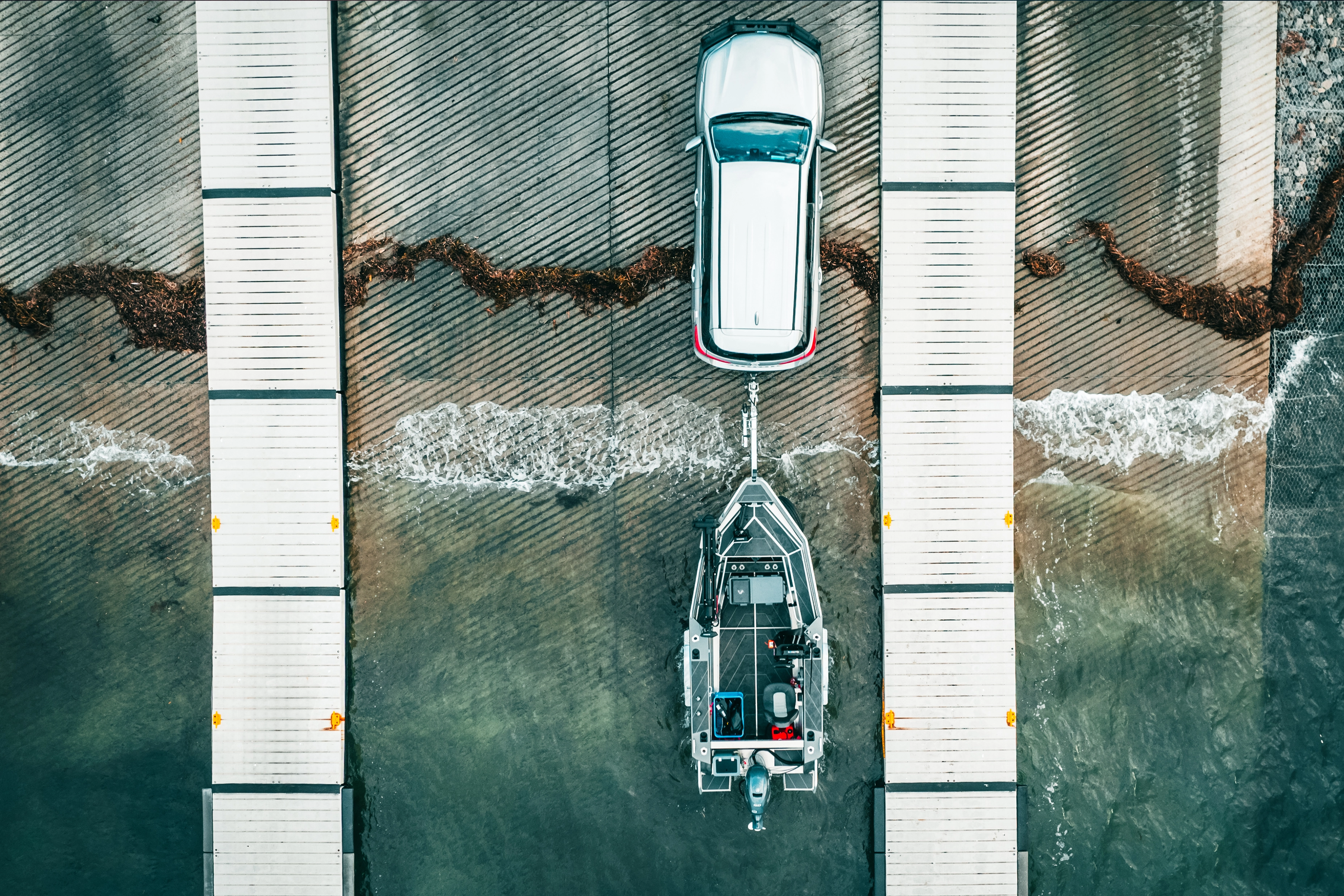
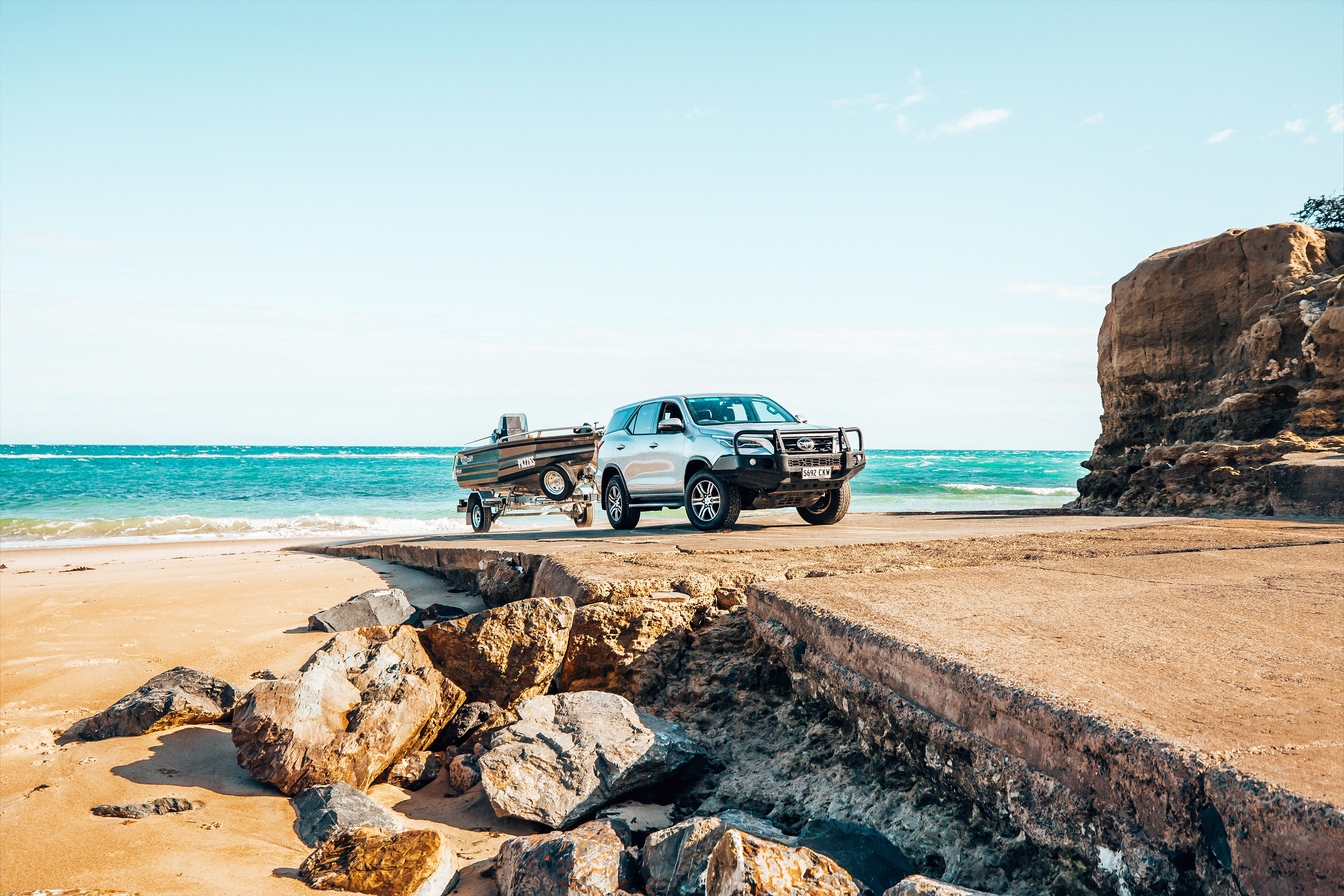
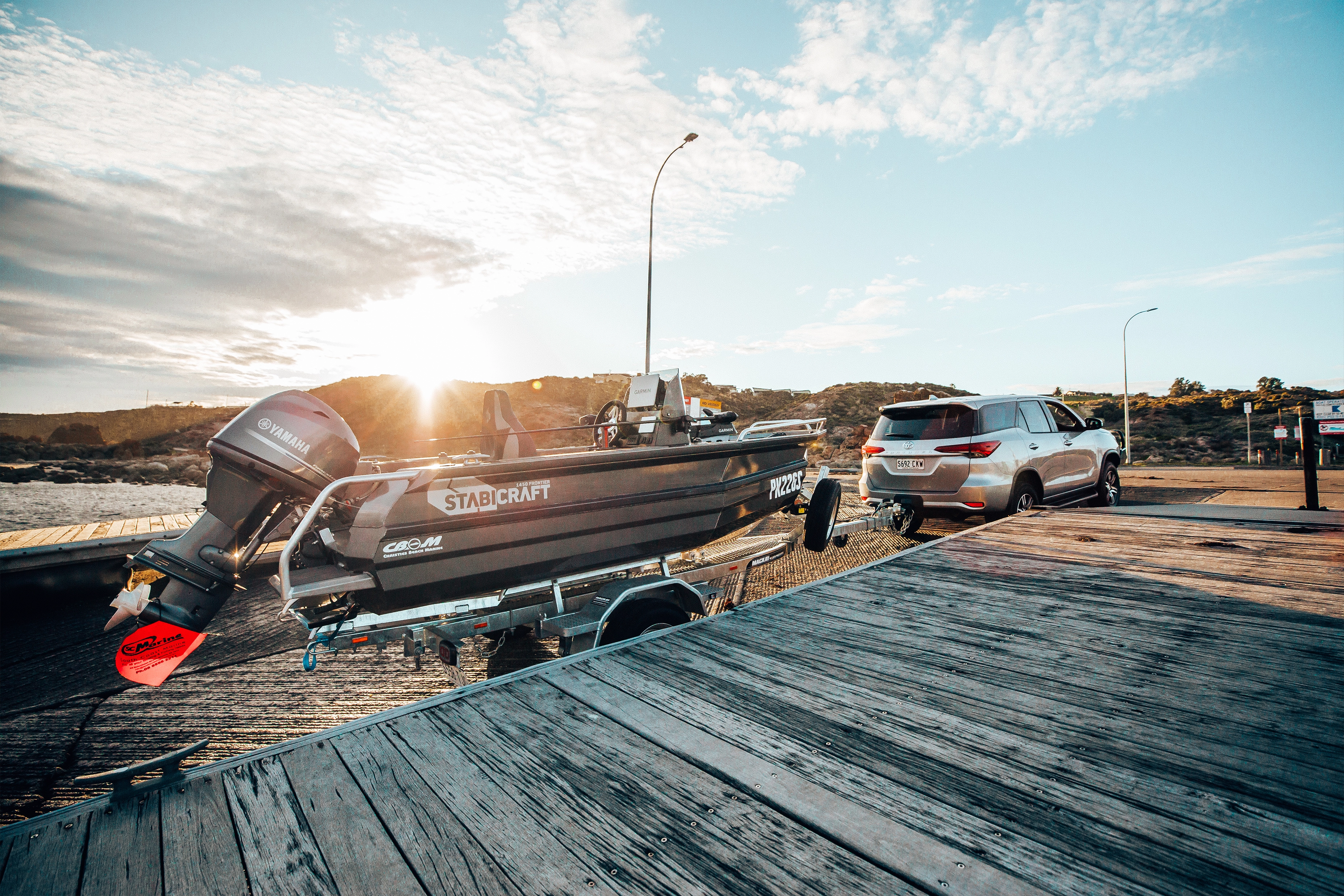
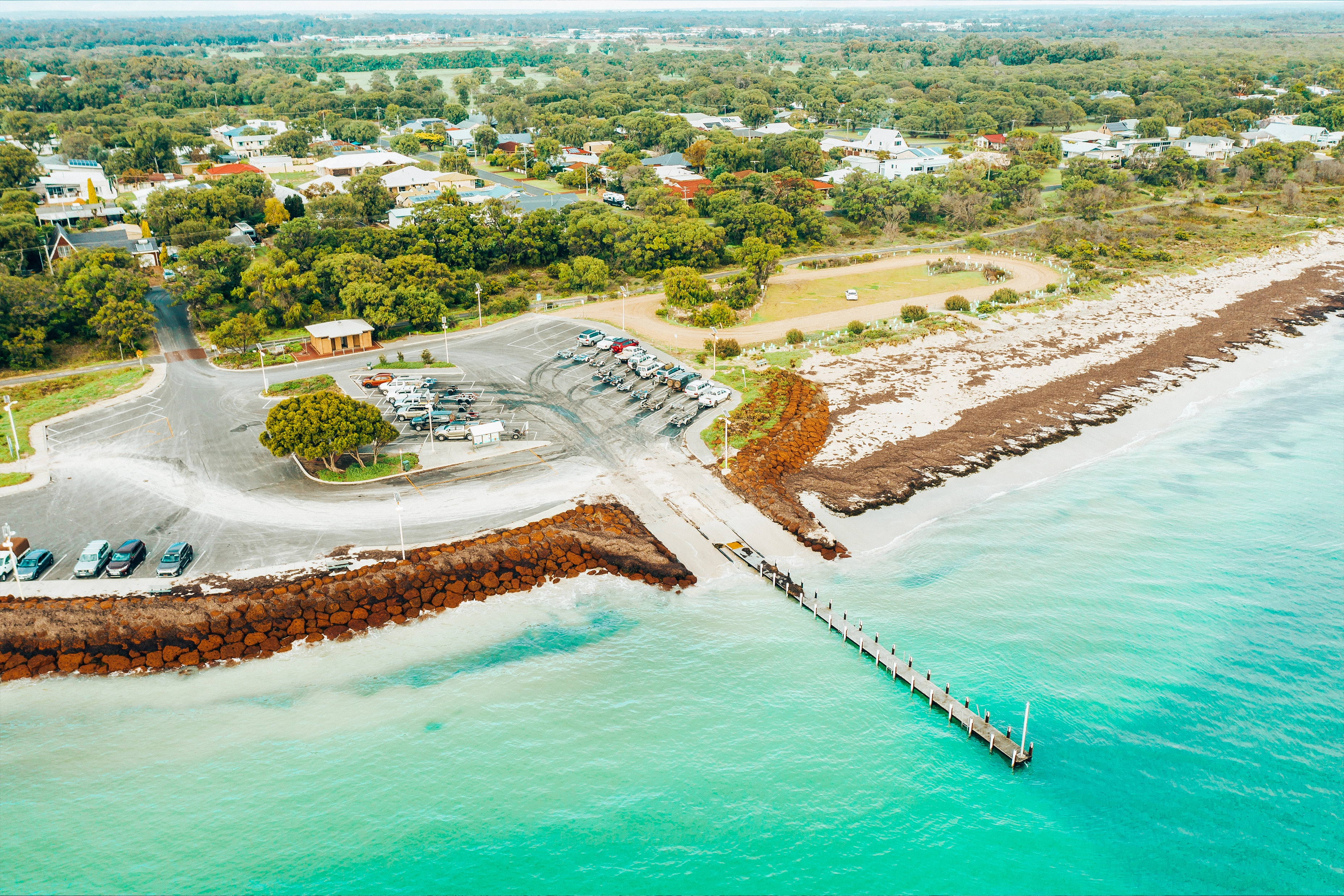
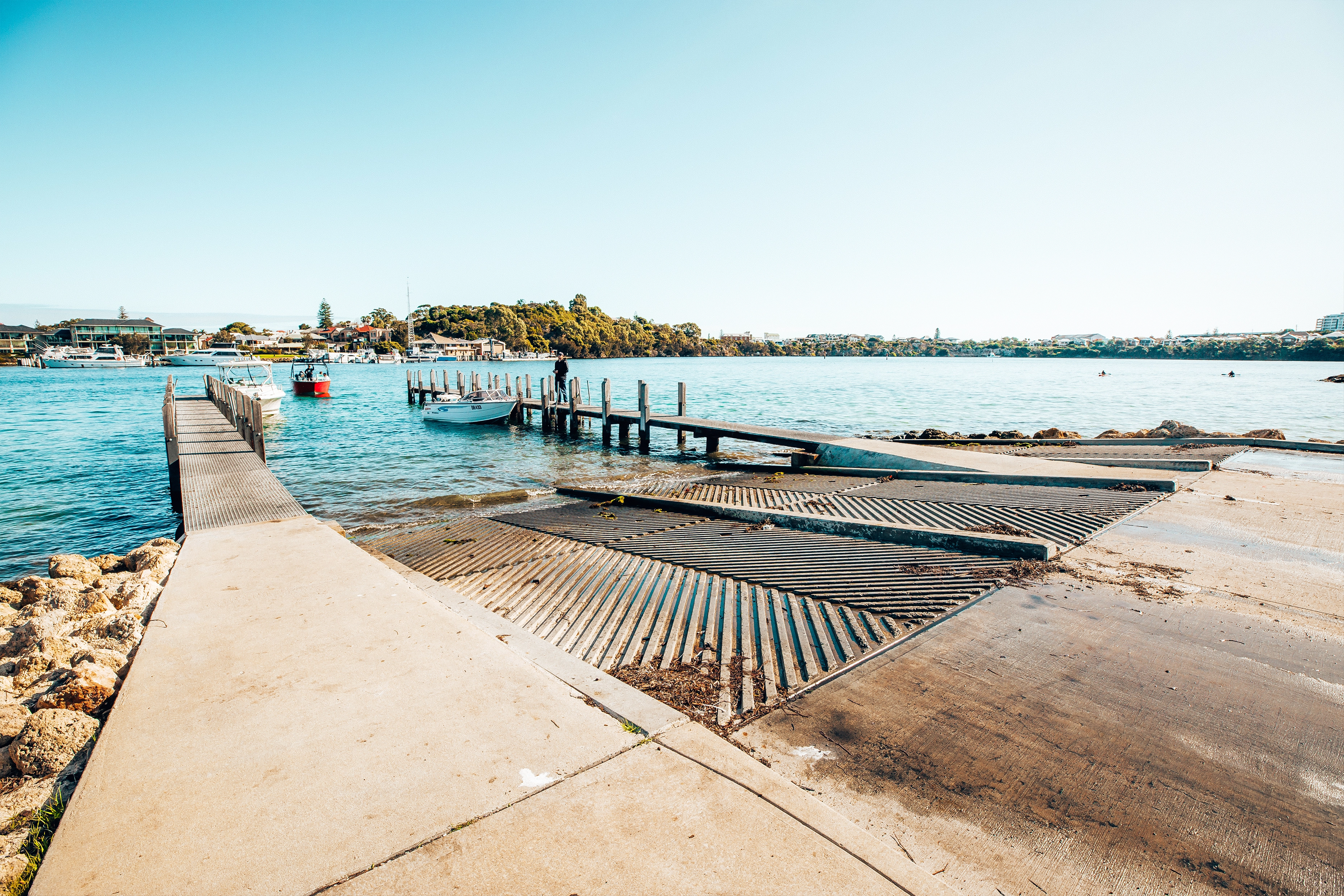
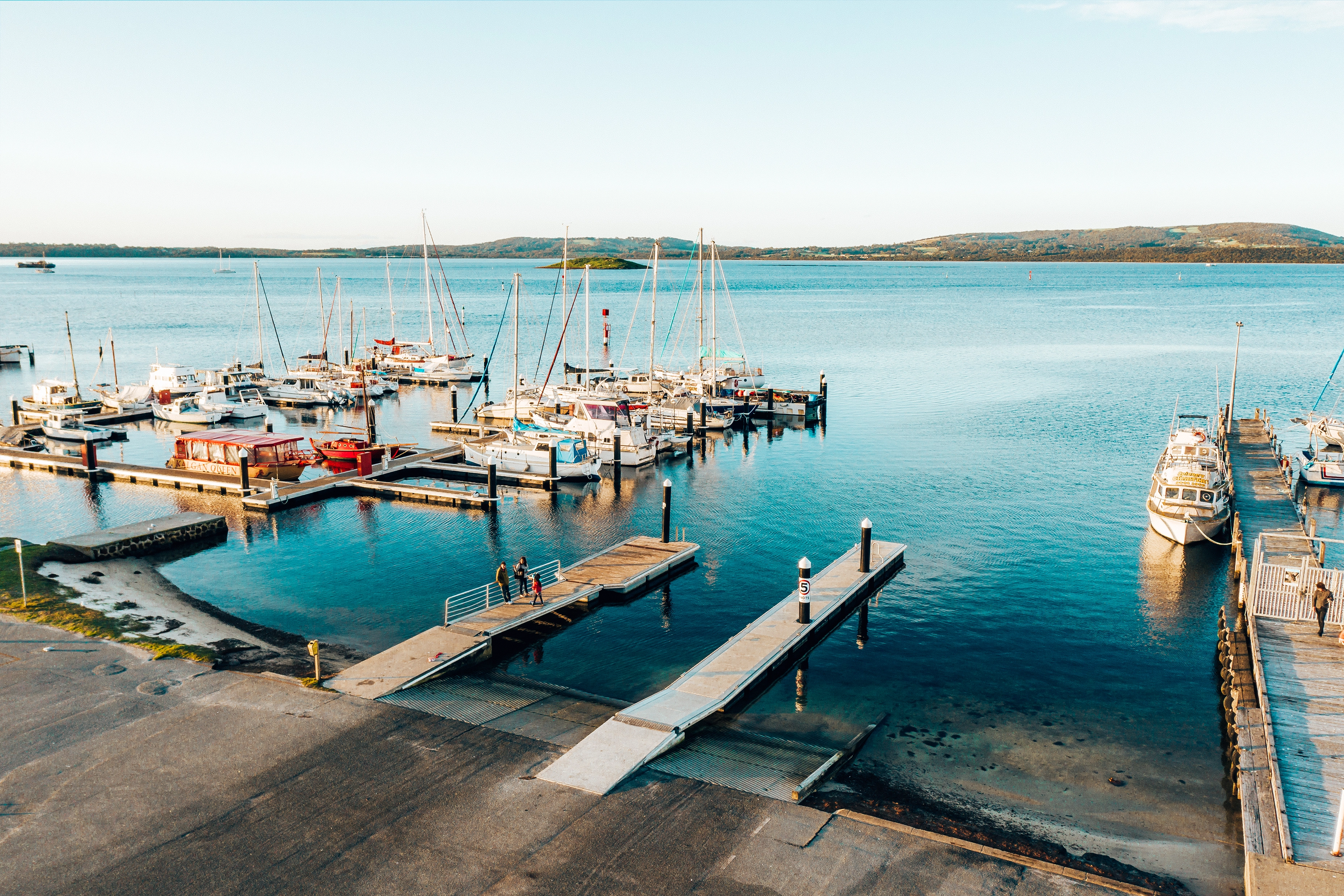
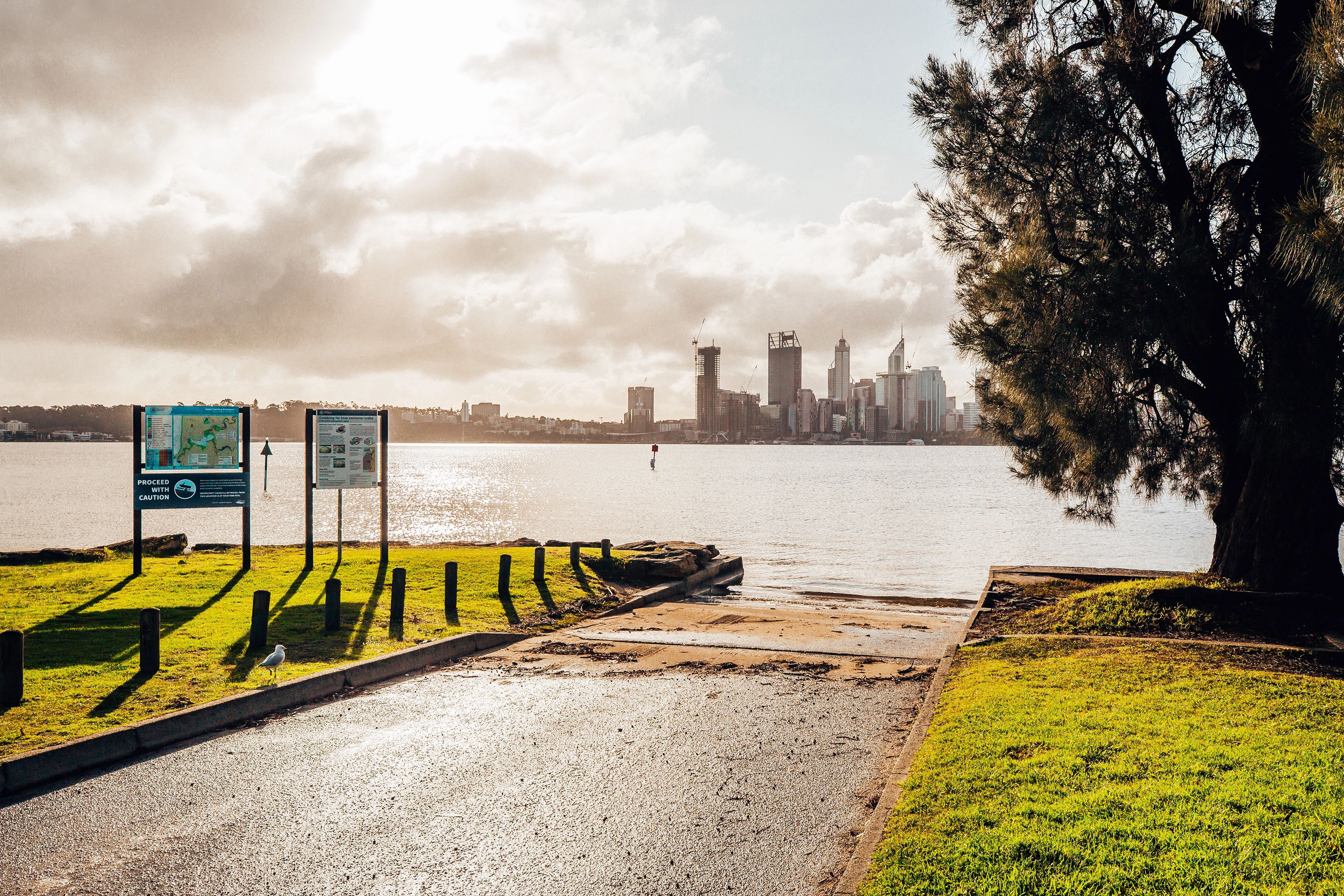
I’ve explored every corner of this great continent and I can tell you all boat ramps are not created equal. Just like a ski run, some boat ramps are easier to get down than others. To help you prepare for a day on the water, NRMA Insurance has partnered with Google Maps to bring you the ‘Ramp Rater’ across selected boat ramps.

My boat ramp ratings will keep you and your crew safe.

New South Wales

Queensland

South Australia

Western Australia

We’re here to help

Launching and retrieving can be a tricky business. NRMA Boat Insurance can help remove the stress and protect your boat on and off the water this summer.

You've got this and we’ve got you.

Things you should know

All content is intended to be general in nature and does not constitute and is not intended to be financial or professional advice. While NRMA Insurance has tried to ensure the accuracy of the information contained on these pages, you should not rely on any representation, statement or information without first making your own enquiries about the accuracy and reliability of the information provided.

NRMA Insurance does not accept any liability for the information provided on this site or for loss or damages resulting from reliance on the information contained on this site.

When you use Google Maps/Google Earth's map data, traffic, directions, and other content, you may find that actual conditions differ from the map results and content, so exercise your independent judgment and use Google Maps/Google Earth at your own risk. You’re responsible at all times for your conduct and its consequences.