

We've been helping Australians for 100 years
Protect your property with cover for storms and floods.
Our home insurance policies, such as Home Buildings Insurance, Home Contents Insurance and Home Buildings and Contents Insurance, all include cover for floods and storms1.
Here’s what “storms” and “floods” refer to in our policies.
A flood occurs when water escapes or is released from its usual boundaries, such as a river, creek, lake, dam, canal or reservoir, and spreads over land that is normally dry. This can happen even when these waterways have been altered or engineered.
Extended periods of heavy rainfall can cause rivers, creeks and dams to exceed their capacity and overflow, sometimes impacting vast inland regions spanning hundreds of kilometres.
In some cases, flooding can happen even if it hasn’t rained locally, as significant rainfall further upstream can still lead to waterways breaking their banks.
Rainwater run‑off refers to water that moves across the ground or backs up because of a storm.
This can happen when a heavy downpour overwhelms local drainage systems, causing them to overflow and push water into surrounding areas, which can lead to property damage.
A storm surge happens when an intense storm or cyclone pushes sea levels higher than normal, often driven by powerful winds and large waves.
It’s important to consider that this rise in water level is different from routine tidal movements such as regular high tides or king tides, which generally aren’t classified as a storm surge.
Here’s a summary of items that may be protected from storm and flood damage under our Home Insurance policies1.
Keep in mind, this doesn’t include everything we cover. Get a more complete picture by reading the Product Disclosure Statement (PDS).
If you have Buildings Insurance, our policies may help cover the following parts of your home:
the primary structure of your home
home improvements and fixtures permanently built in or fixed to buildings
secondary buildings like garages
fixed coverings to walls, floors and ceilings
in-built swimming pools and spas
driveways that provide access to domestic buildings (but not gravel driveways).
If you have Contents Insurance, our policies can help cover:
furniture, bedding, furnishings and rugs
carpets, curtains and internal blinds
household and kitchen appliances
electronic and electrical items, and their accessories
tools of trade
home improvement tools
glasses and medical items
valuable contents including jewellery, watches and works of art
portable contents, including clothing and luggage.
If you have Buildings Insurance, you aren’t covered for the following:
home contents
retaining walls
gates, fences or free-standing walls that are lost or damaged because they were not structurally sound or well-maintained
pontoons, jetties or bridges
gravel driveways.
If you have Contents Insurance, you aren’t covered for the following:
home buildings
limits apply to valuable contents depending on whether you have additional valuable contents cover.
We may be able to help pay to repair or rebuild your home if it’s damaged or destroyed by a storm or flood, up to the amount you’re insured for.
If the damage from a storm or flood means you can’t stay in your home, we can provide up to 12 months of temporary accommodation under our Standard Home Buildings Insurance. With Home Buildings Plus, this increases to up to 24 months of temporary accommodation.
For a higher level of protection, including the extended temporary accommodation benefit, you may have the option of upgrading to Home Buildings Plus when requesting a quote.
We may be able to help protect the belongings inside your home if they’re damaged or destroyed during a storm or flood.
Depending on the level of cover you choose, you might also be able to add portable contents cover as an extra. This extends your cover to include items you take outside of your home, such as laptops, mobiles, clothing and even jewellery.
For a higher tier of contents protection, you may have the option of upgrading to Home Contents Plus when getting a quote.
Get combined storm and flood protection for both your home and the belongings inside it with Buildings and Contents Insurance.
This cover can help ensure your property and items are protected if they’re damaged by a storm or flood and includes a lifetime guarantee on the workmanship of any authorised repairs made to your home.
Looking for our most comprehensive level of protection? You can choose Home Buildings and Contents Plus when you request a quote.
Access cover for up to 12 months of temporary accommodation if your home becomes unliveable after a storm or flooding2.
Get a lifetime guarantee on the workmanship of all authorised repairs to your home.
If a covered item is damaged or destroyed and needs to be replaced, we may be able to help.
What’s included in your storm and flood cover depends on the type of policy you hold1.
With Home Buildings Insurance, your house and any other structures on your property are insured.
If you have Home Contents Insurance, the belongings inside your home are protected against storm and flood damage.
And with Home Buildings and Contents Insurance, both your property’s buildings and the items inside them are covered.
The cost of your premium is influenced by how likely it is that your property could be affected by flood, rainwater run‑off or storm surge.
To assess this risk, we draw on a range of data sources, including the National Flood Insurance Database, hydrology and terrain modelling, council flood maps and our own claims insights.
We review and update this information throughout the year to ensure we’re using the most current data available. Because of this, the risk rating for your property, and therefore your premium, may change over time.
Other factors also play a role, such as how your home is built, the amount you’re insured for, your chosen excess and the type of cover you select.
Damage from these events can be extensive. Even a small amount of water entering your home can lead to significant repair costs, from replacing flooring and cabinetry to fixing damaged furniture and structural components.
Learn more about the factors that influence your premiums.
We regularly reassess the risk at your property using the latest available data. This includes local or state government flood studies, our own data, and other expert reports. That means the risk of flood, rainwater run-off and storm surge can increase or decrease as information changes.
If your insured property is in NSW, Tasmania or the ACT, you may have the option to remove flood, rainwater runoff and storm surge cover from your Home, Landlord or Strata Insurance (but not tsunami cover).
If you remove cover for flood, rainwater run-off and storm surge, you won’t be protected for any loss or damage caused by these events.
To talk about opting out of flood, rainwater run-off and storm surge cover, call 132 132.
Yes, you can protect investment properties with Landlord Insurance.
With options for Buildings, Contents and Buildings & Contents Insurance, you may be able to find the right level of storm and flood damage cover for your needs.
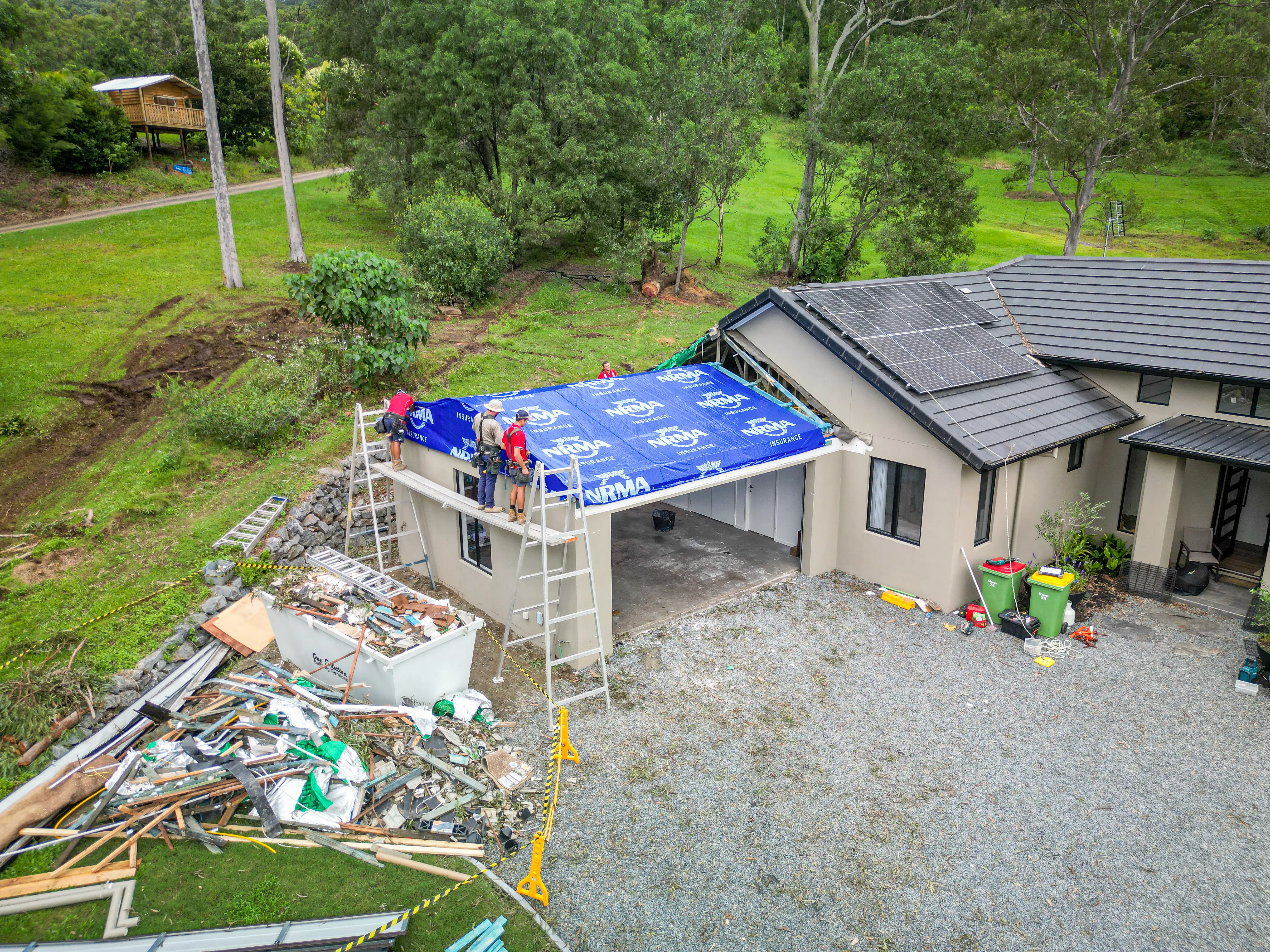
We explore 5 years of claims data to help Australians understand severe weather risks. Discover the latest data and what you need to know about Australia’s changing conditions.

Learn how climate change increases flood risk, how mould can develop after a flood, and what to do if you’re impacted and insured.
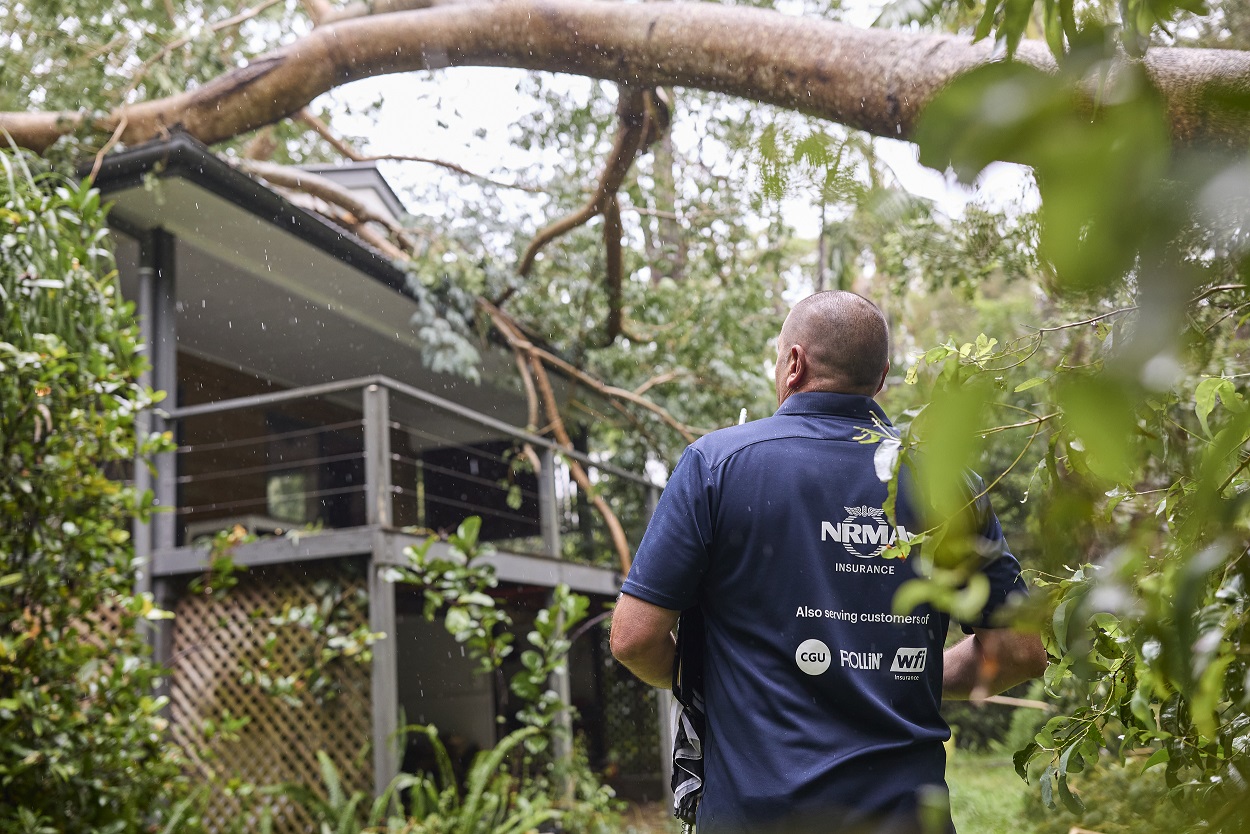
This helpful guide covers arranging emergency repairs, documenting damage, making a claim and cleaning up after flood or storm damage.