
We've been helping Australians for 100 years
We share some simple tips to help keep you and your family fire safe this barbecue (BBQ) season.
Share this story:

Walk around any suburban Aussie street during spring or summer, and you're bound to smell the mouth-watering scent of a barbecue feast. It's simply a warm weather must, but there are some precautions to take to keep your next big cook-up safe.
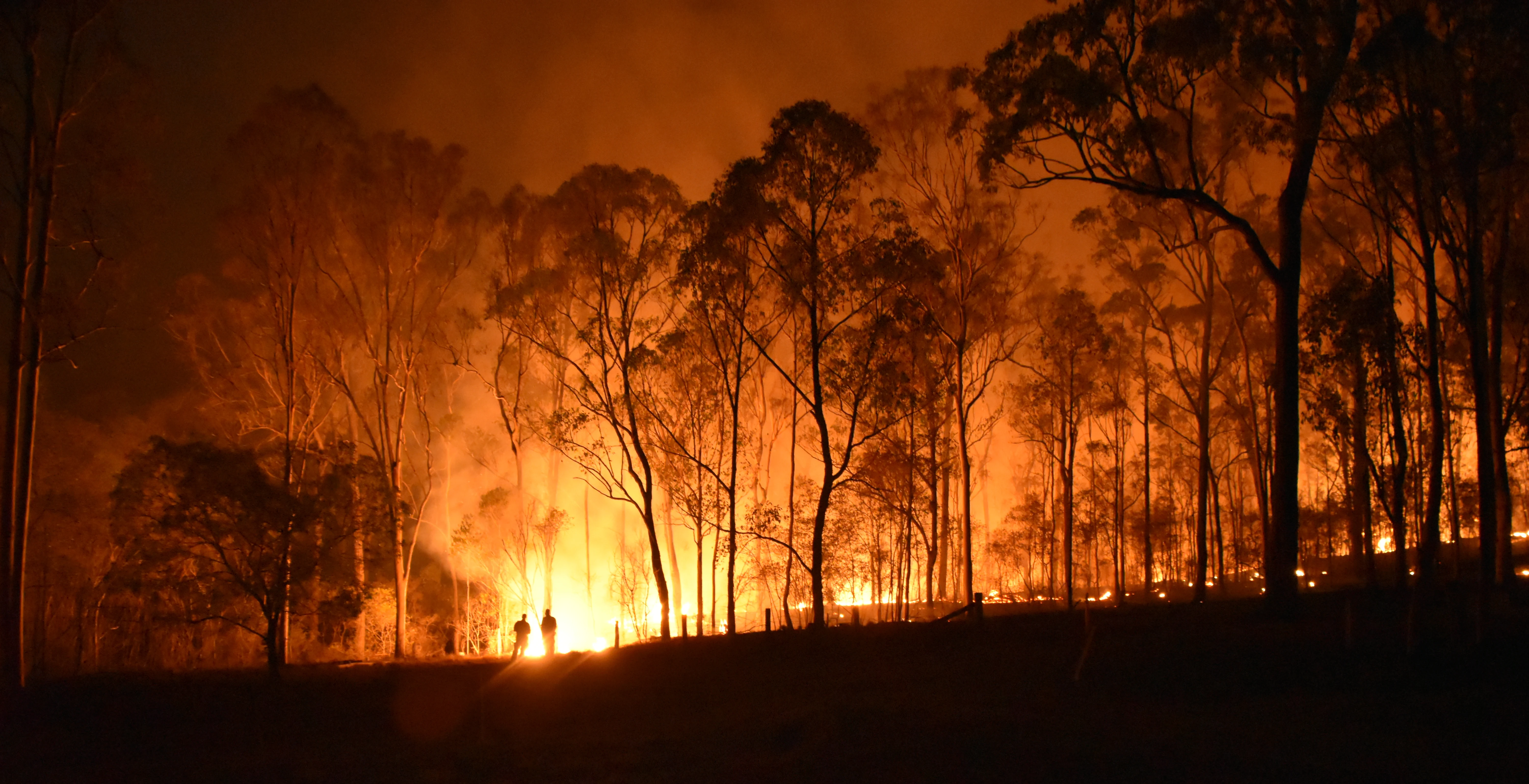
Each year firefighters are called to douse the flames of fires caused by barbecues. Leaky gas bottles, faulty connections, and built-up grease are the common causes — but fires can be caused by accidental knocks and mishaps, too. In fact, the number of cooking-related residential fires might surprise you. According to Fire and Rescue NSW, there were more than 930 residential fires during spring last year, and 400 of them started in kitchens and cooking areas.1
Our claims data also reveals the very real risk of fires breaking out in cooking related areas. Based on 5 years of NRMA Home Insurance claims lodgement data, we found that BBQ-related claims are 50% more likely during the summer months than the rest of the year. The data also shows that cooking-related incidents are the most common cause of fire claims overall, accounting for 1-in-5 claim lodgements.2
Luckily, there are ways to help increase safety around barbecues.
If you've got a gas barbecue, always check the LPG cylinder before you turn it on.
Tip: Check your connection for a gas leak by spraying soapy water on the connection or hose to see if bubbles appear. If they do, there may be a leak. If in doubt, turn off the gas and arrange for a licensed gas fitter to check the hose and connection.
Keeping your barbie clean is important for hygiene as well as fire safety. While it may feel like a chore, think of it as a labour of love that'll win you even more admiration when you host your next feast. After all, it's just as impressive to serve up a perfectly cooked steak (medium rare, by the way) as it is to present an impeccably clean grill!
Consider the following tips:
Important: Different barbecues may require slightly different approaches. Make sure to check your owner’s manual for care instructions, or visit the manufacturer's website if in doubt.
Barbecues need to be positioned in a well-ventilated area and away from flammable objects.
Make sure there's at least 1 metre of space between the BBQ and any walls or fences.
Don't place pot plants or outdoor furniture directly next to your BBQ.
Avoid using your BBQ in windy conditions. Strong gusts could blow out burners, putting you at risk of a gas leak.
A barbecue can be covered by home insurance, depending on the policy you choose. Here's how it could work:
If you have a built-in barbecue permanently attached to your property, this could be covered by a Home Building Insurance policy. This is because Home Building Insurance can provide cover for permanent and fixed items such as outdoor kitchens.
If you have a freestanding barbecue, this could be covered by a Home Contents Insurance policy. This is because the barbecue isn't considered a permanent fixture of the home, but it is an item you always keep at your property.
If you have a combined home and contents policy, your barbecue could be covered regardless of whether it's free-standing or built in. Be sure to carefully read the relevant Product Disclosure Statement (PDS) to find out what is and isn’t covered by your insurance policy. If you're unsure of anything, contact your insurer.
Tip: Check your sum insured includes how much it might cost to repair, replace or replace your barbecue, along with the other insured items and/or the structure of your home, in the event of damage from an insured event. This helps ensure you're adequately covered if something goes wrong.
1 Fire and Rescue NSW. (n.d) Spring fire safety. https://www.fire.nsw.gov.au/fire-safety/home-fire-safety/campaign/spring-fire-safety
2 NRMA Home Insurance lodgement data as at September 2026, for losses occurring between December and February 2021-2026. Excludes liability.
Information is current as at the date of publication and may be subject to change. All content on the NRMA Insurance Blog is intended to be general in nature and does not constitute and is not intended to be professional advice. It does not take into account your individual objectives, financial situation or needs. References to third-party organisations, products, services or brands on the NRMA Insurance Blog are for informational purposes only and do not imply any affiliation with or endorsement by NRMA Insurance, unless expressly stated otherwise.