We've been helping Australians for 100 years

Every home needs a Health Check

Wear and tear is a part of every home’s life. Learn why home maintenance matters for your insurance and how you can help protect your home.

What is wear and tear?

As you go about your daily life at home — cooking, washing, and simply living — things inevitably wear down or break due to aging, regular use, and exposure to the elements. This natural deterioration is called 'wear and tear'.

Is wear and tear covered by insurance?

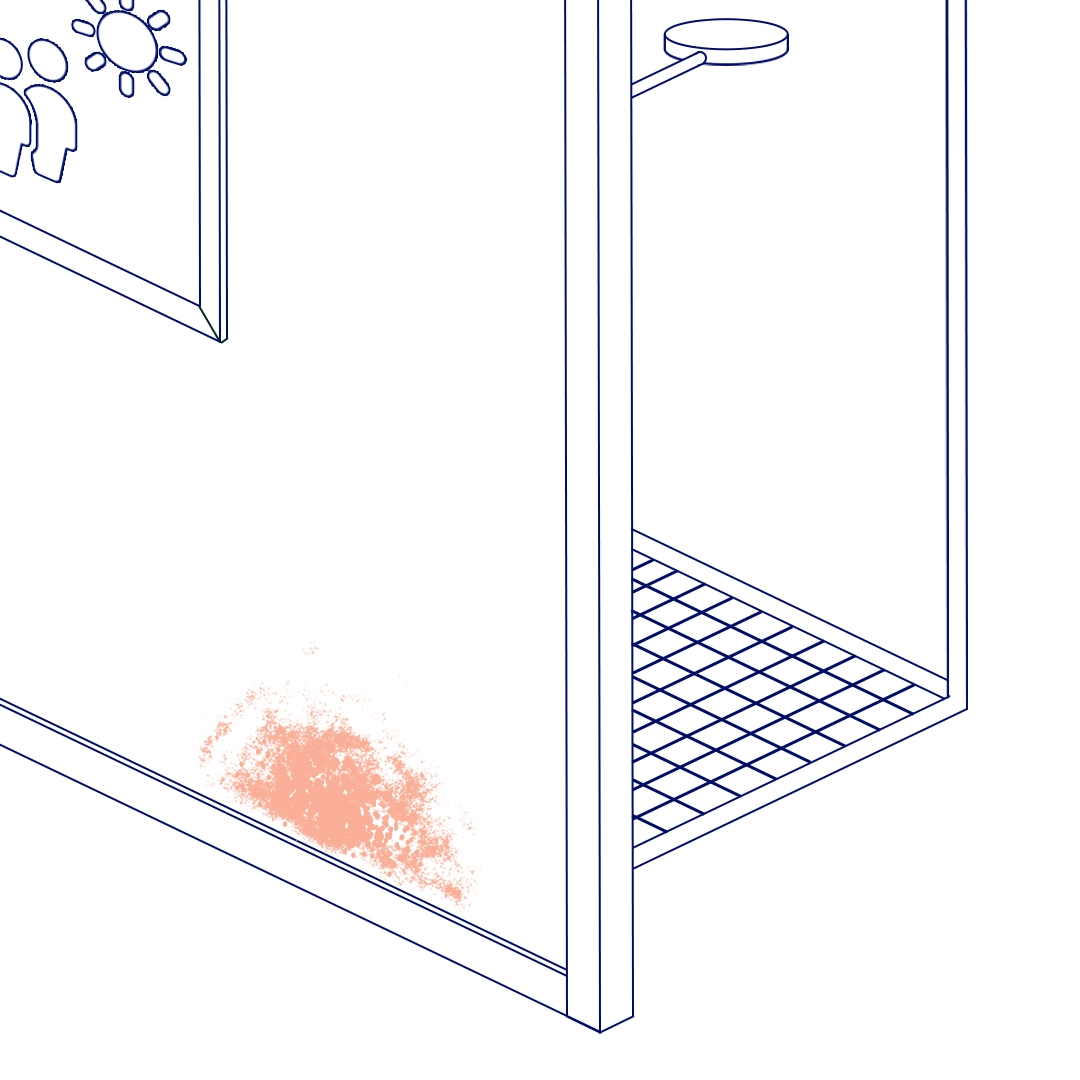
Home insurance doesn’t cover wear and tear or damage resulting from lack of maintenance. For example, a sun damaged awning or water damage to a wall next to a shower — determined to be caused by missing grout — wouldn’t be covered.

To learn more, refer to your policy’s Product Disclosure Statement.

Minimising wear and tear

Like regular car servicing can help to avoid breakdowns, regular home checks and maintenance can help prevent minor wear and tear from turning into more costly repairs and inconvenience.

Know what to look for

Understand the risks associated with wear and tear and common things to look out for.

Adopt home maintenance habits

Help reduce wear and tear with preventative actions and regular checks to spot potential problems early.

Address issues promptly

Before starting maintenance tasks, check if it's a task that must be carried out by an expert or licensed professional.

Your Home Health Check

Look for these icons to see which actions apply to your home type.

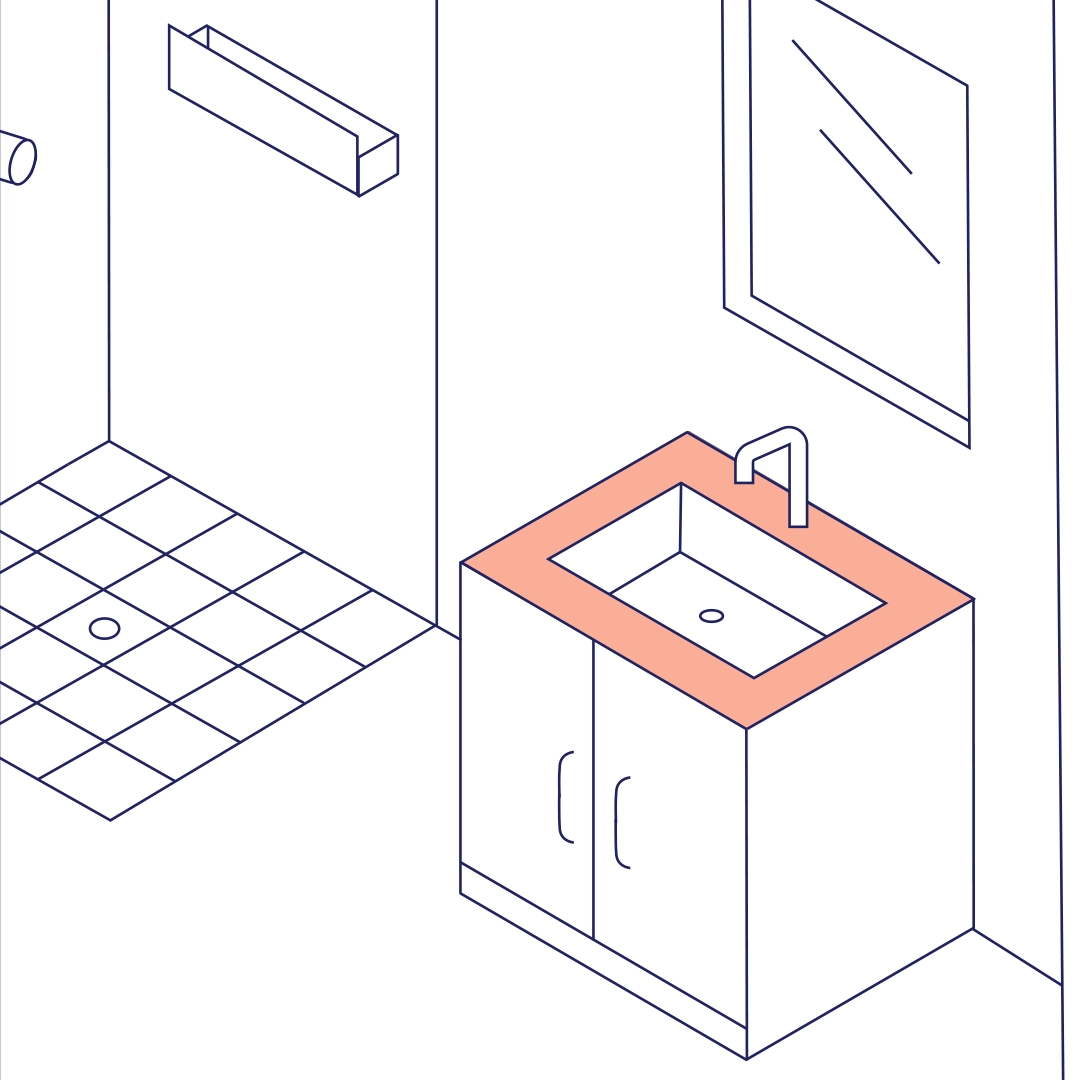
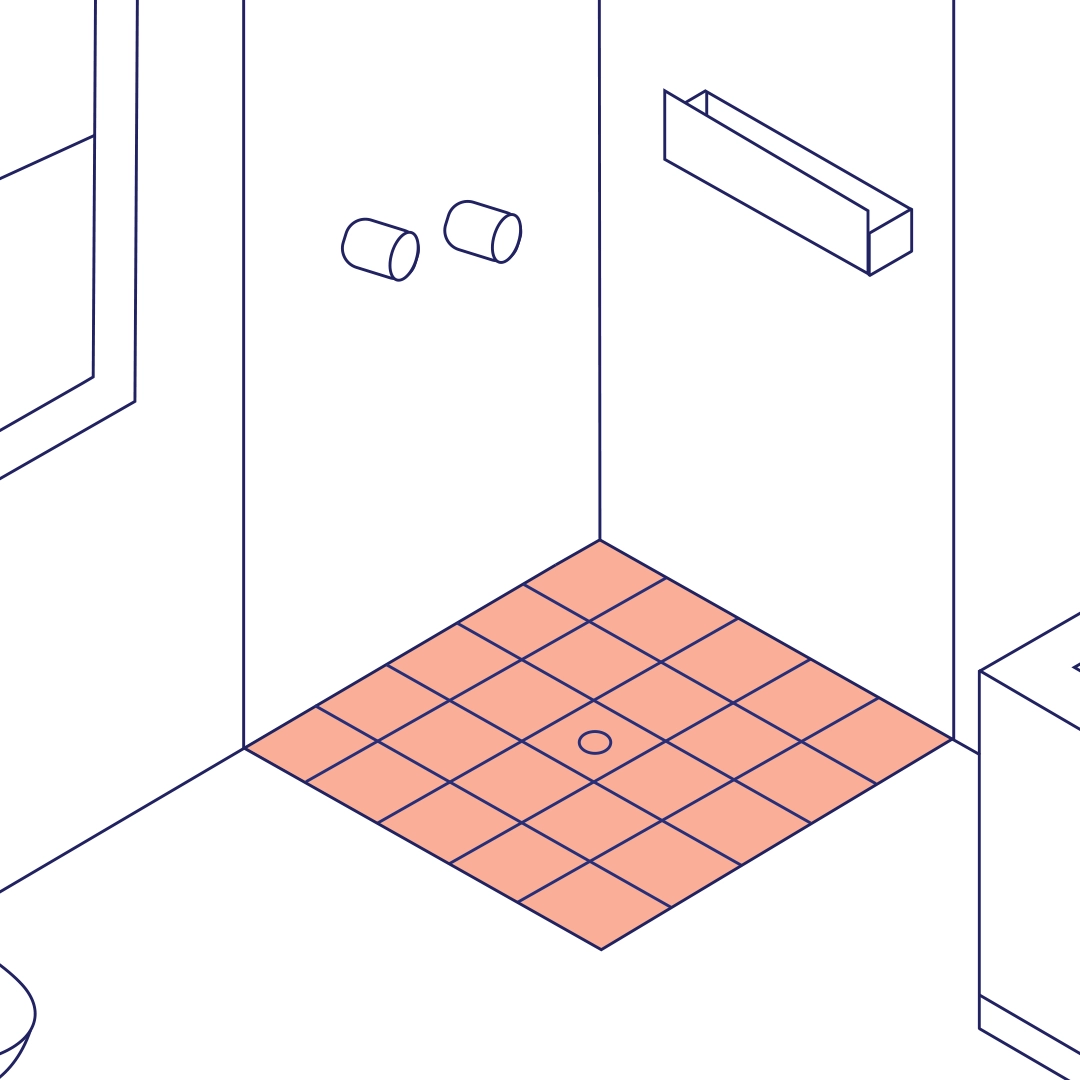
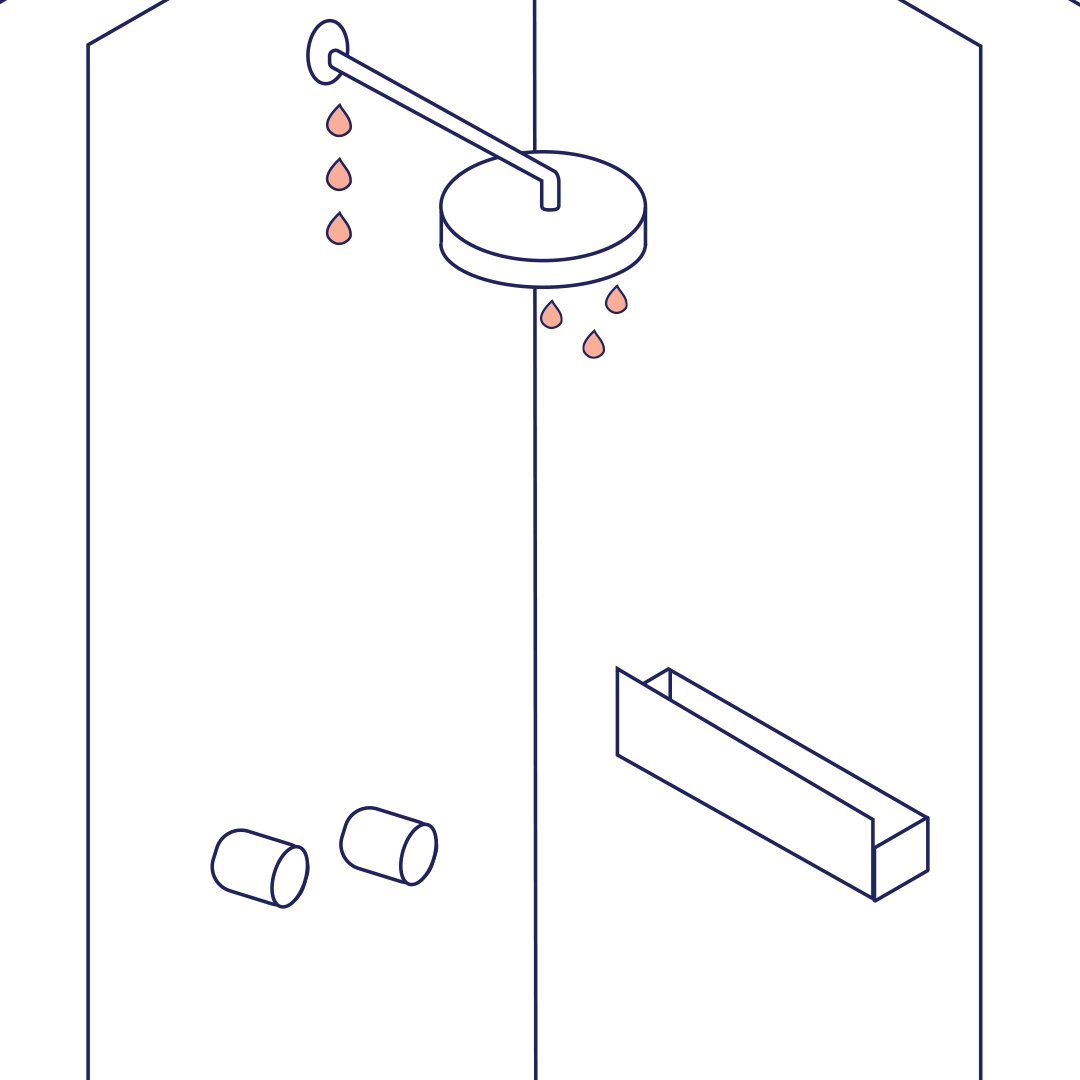
Wet zones

We’ve put together some common issues to look out for and some proactive steps you can take to help prevent them turning into bigger problems. For safety and peace of mind, we recommend hiring licensed trades for structural, plumbing or sealant repairs.

Recap: Wet zones

What you can do to help maintain wet zones:

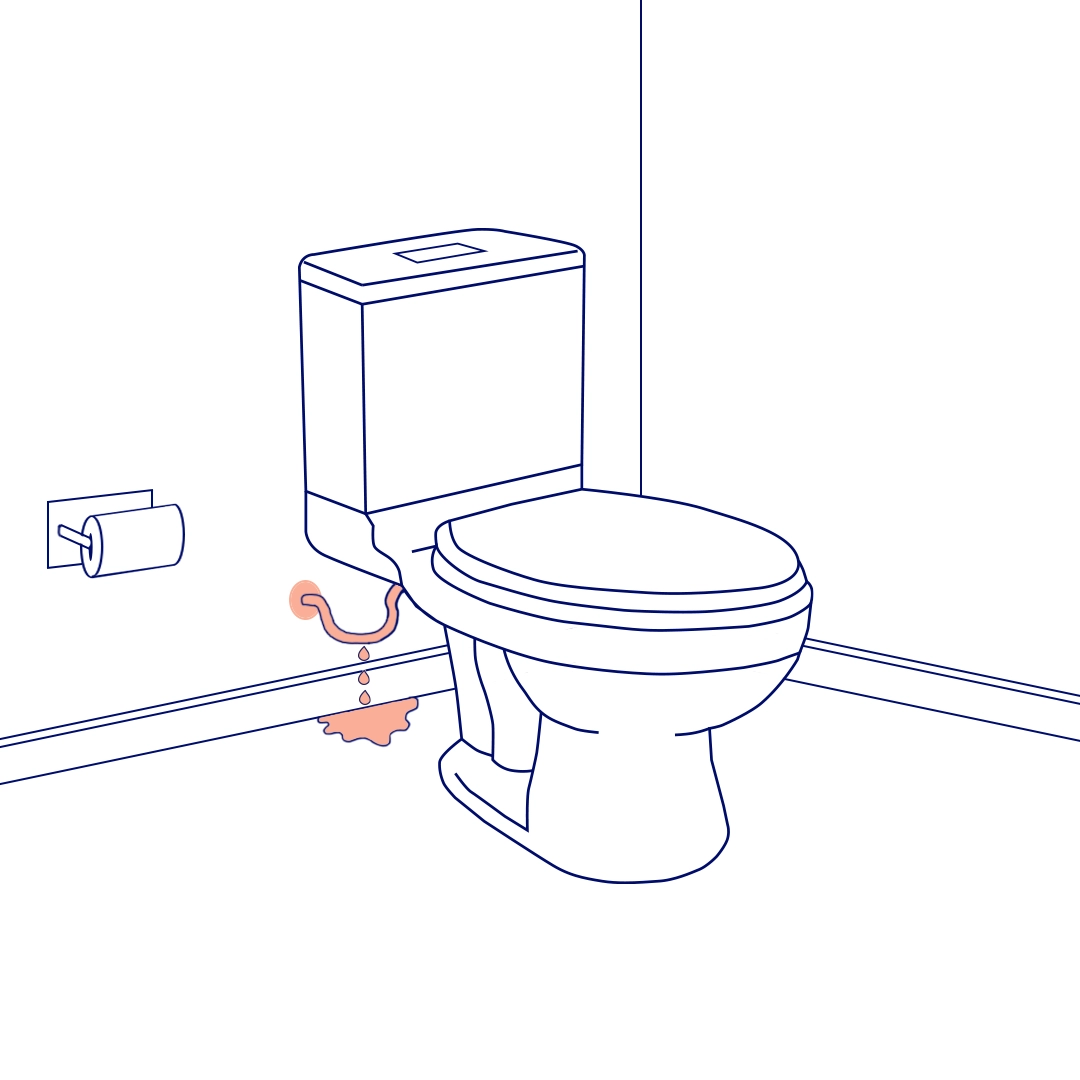
  • Check plugs, drains and taps for cracks, blockages or leaks.
  • Check flexi hoses and replace any that are corroded damaged.
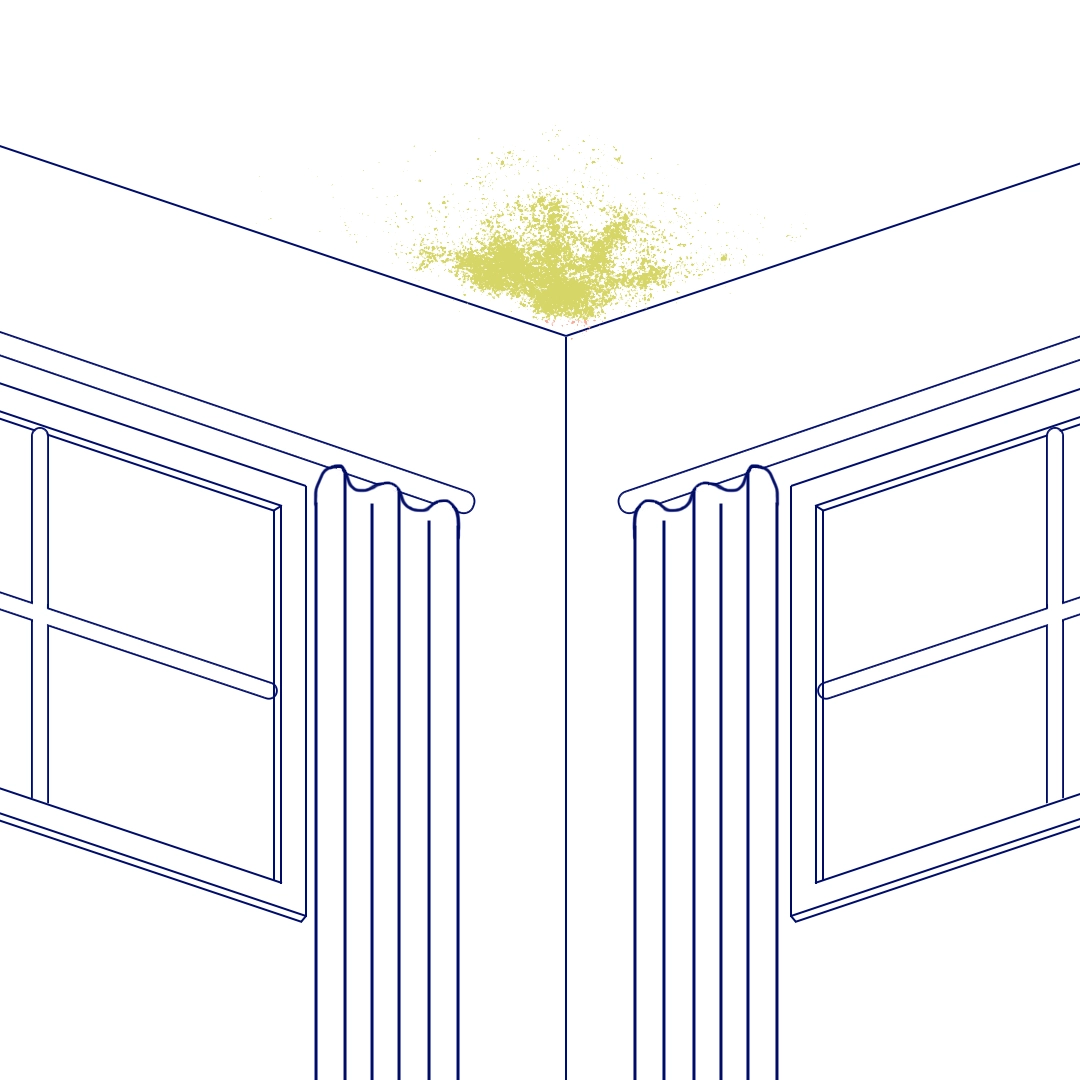
  • Check for cracked or missing grout in showers or signs of damp or mould on adjoining walls.
  • Dry wet surfaces and ensure proper ventilation.
  • Use extraction fans when using hot water to reduce condensation.

When to speak to a professional:

  • Problems with sealants, cracked tiles, missing grout.
  • Damp or mould on walls adjoining or ceilings below a shower.
  • Leaking taps, blocked or slow drains or water pressure changes.
  • Contact your local plumber to replace flexi-hoses that are corroded or damaged.

Start your Home Health Check today

Download a checklist of regular home checks and maintenance tasks.

Living areas

We’ve put together some common issues to look out for and some proactive steps you can take to help prevent them turning into bigger problems.

Recap: Living areas

What you can do to help maintain living areas:

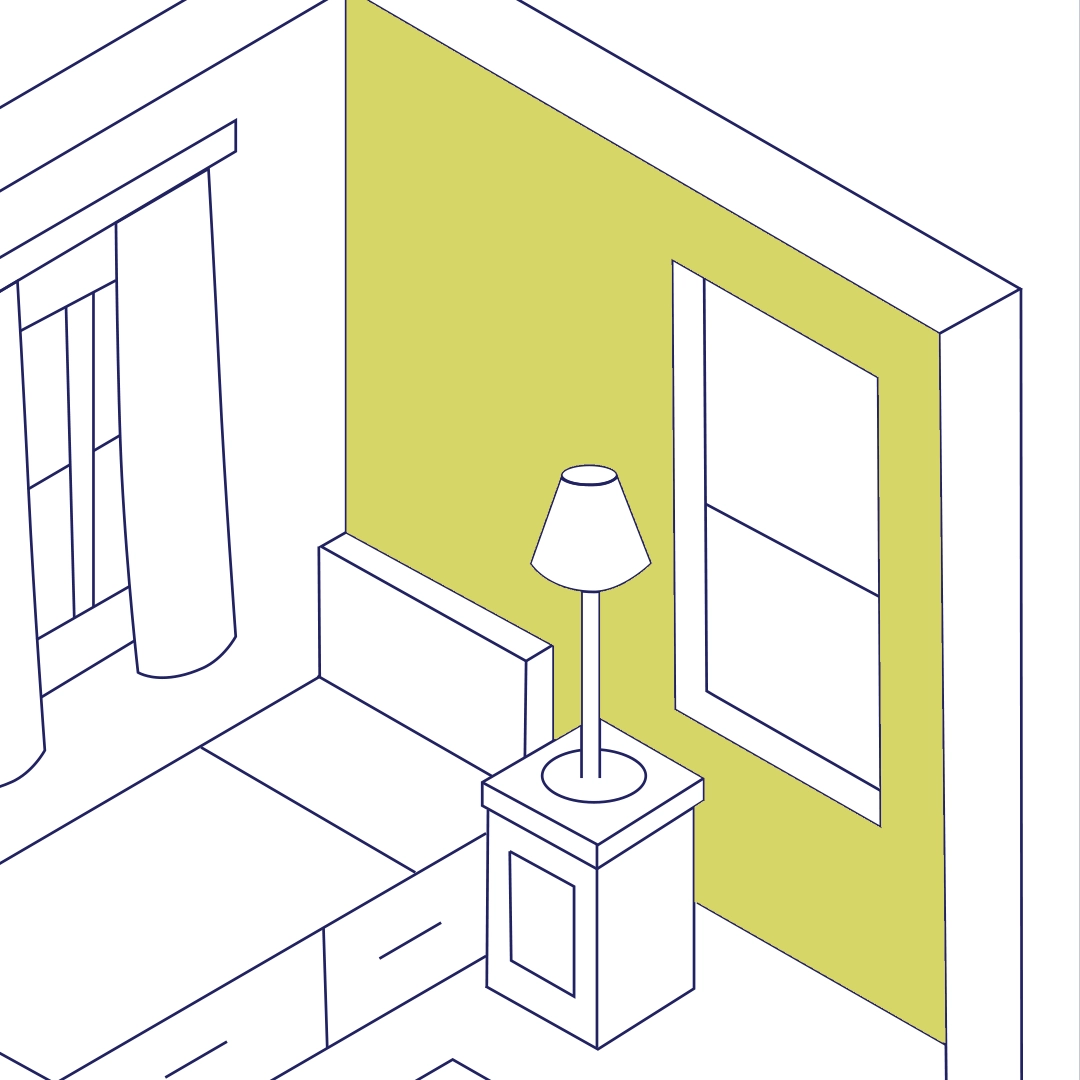
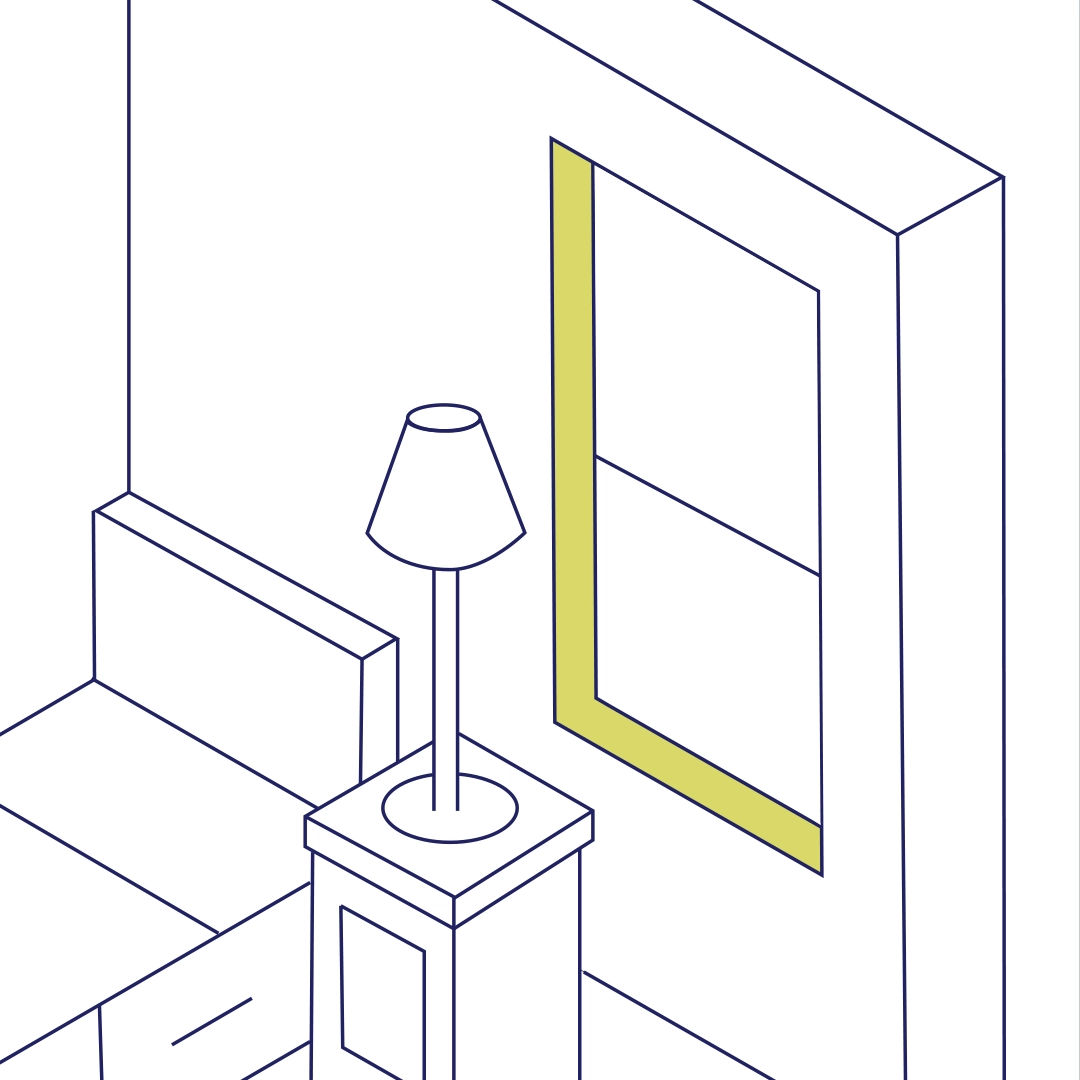
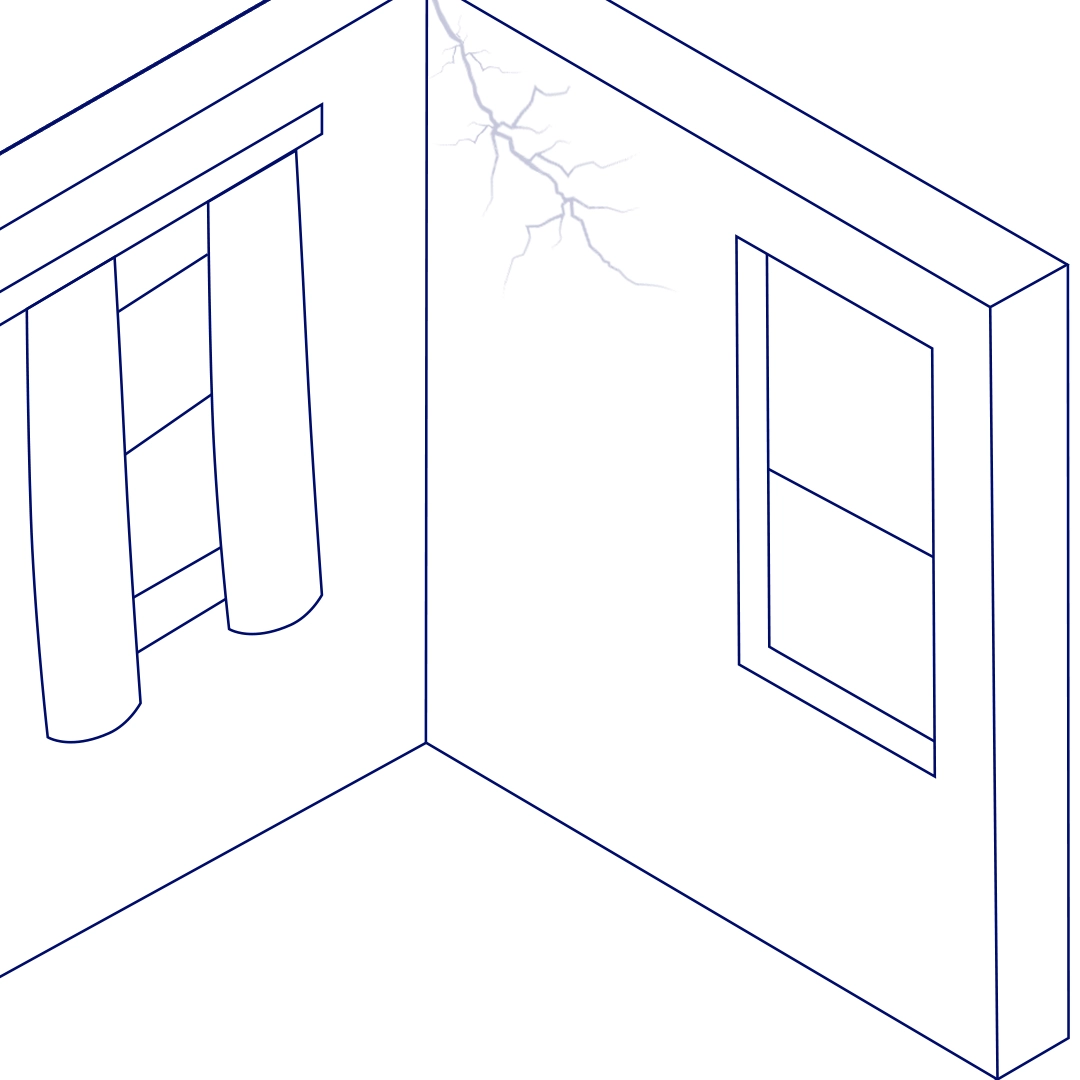
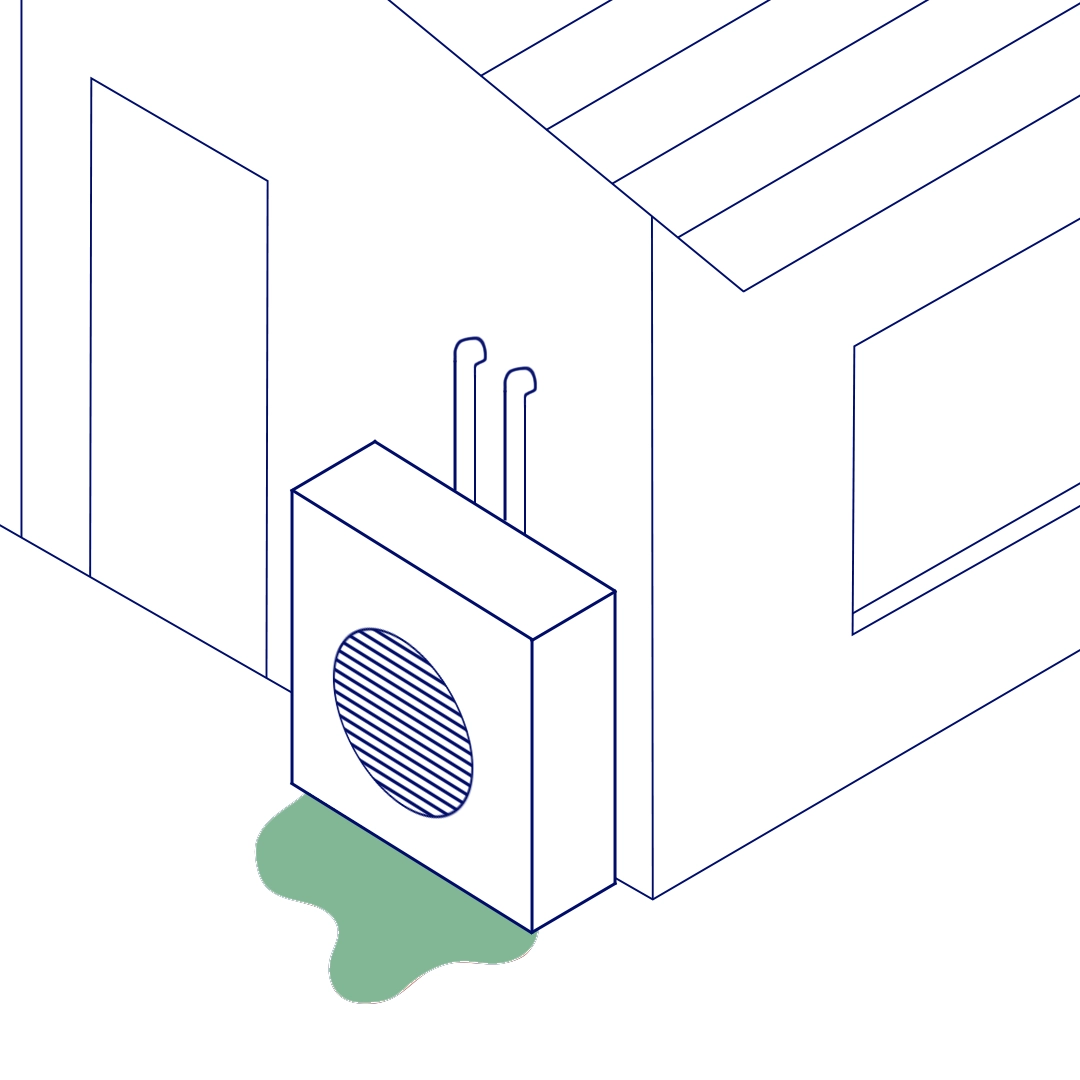
  • Perform regular cleaning and maintenance to walls, ceilings, floors, windows, doors, cabinetry and fixtures like air conditioning units.
  • Air your home regularly to reduce condensation.
  • Close windows, doors, cupboards and drawers gently.
  • Use rugs in entryways and corridors to protect floors.
  • Use curtains or blinds to minimise sunlight that can fade paint and flooring.

When to speak to a professional:

  • Cabinetry repairs or replacement.
  • Air conditioner professional cleaning and servicing.
  • Carpet repair or replacement.
  • Fixing the underlying cause of mould.

Start your Home Health Check today

Download a checklist of regular home checks and maintenance tasks.

Structural elements

Don't put off investigating and fixing damage to walls, floors, ceilings and your home’s roof. A lack of regular maintenance has the potential to lead to costly remediation repairs later.

Recap: Structural elements

What you can do to help maintain structural elements:

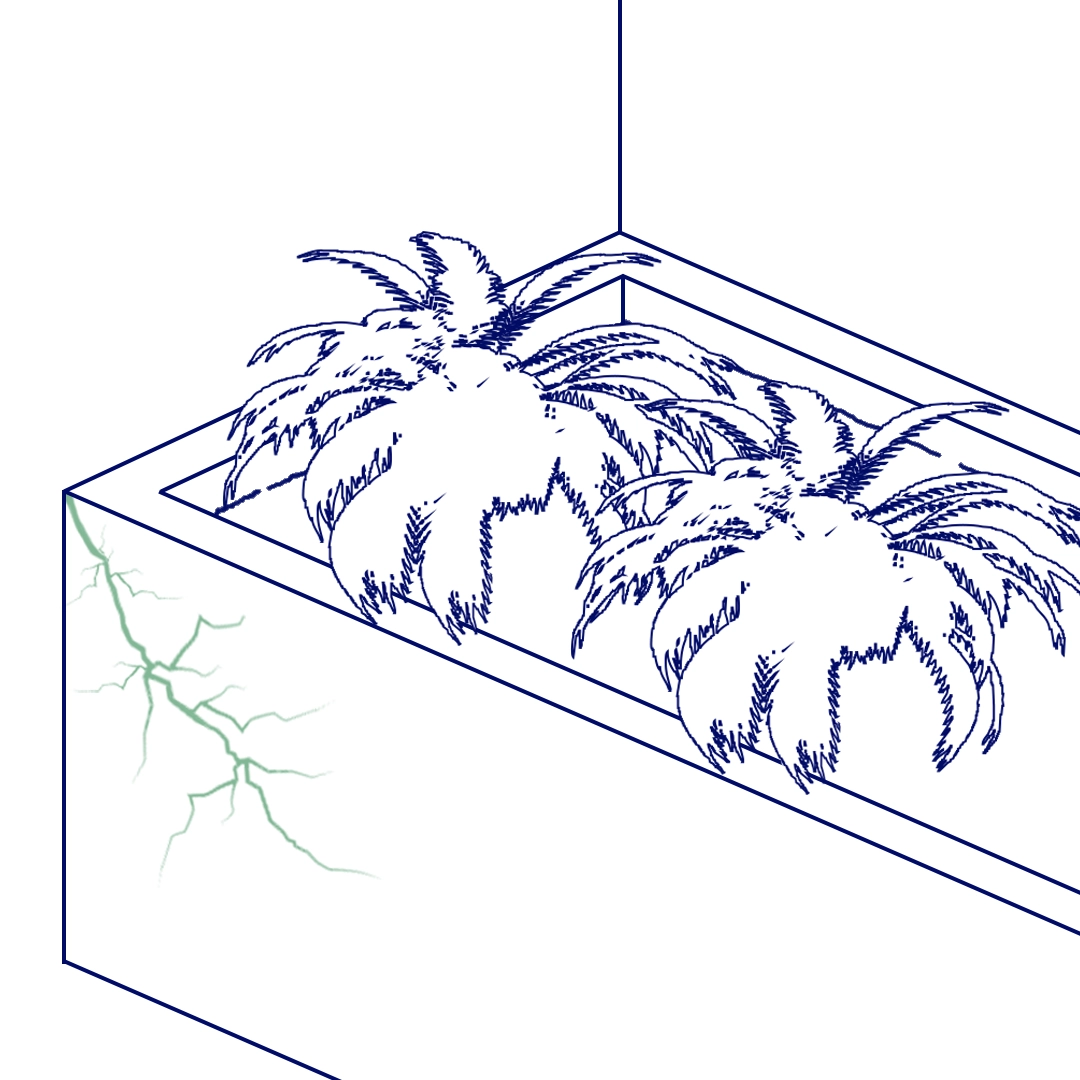
  • Check for uneven floors and cracks in walls.
  • Check for stained or sagging ceilings.
  • Check the roof cavity and visually inspect the roof exterior from the ground or a safe vantage point.

When to speak to a professional:

  • Annual roof checks.
  • Issues like sagging floors or ceilings and cracks in walls.
  • When planning structural changes, for example major renovations or changes to the pitch of your roof.

Start your Home Health Check today

Download a checklist of regular home checks and maintenance tasks.

Outdoor areas

We’ve put together some common issues to look out for and some proactive steps you can take to help prevent them turning into bigger problems.

Recap: Outdoor areas

What you can do to help maintain outdoor areas:

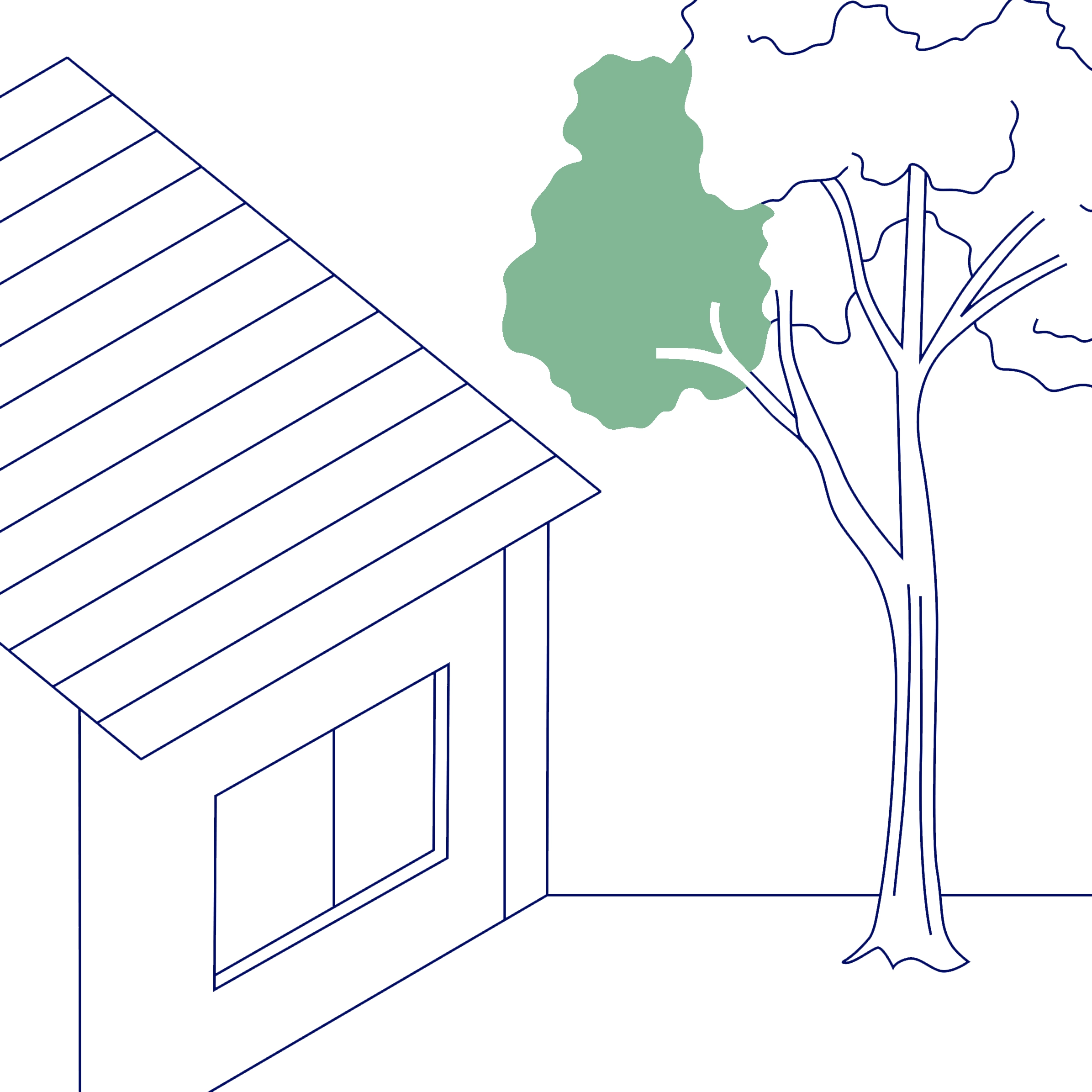
  • Trim overhanging trees and shrubs regularly.
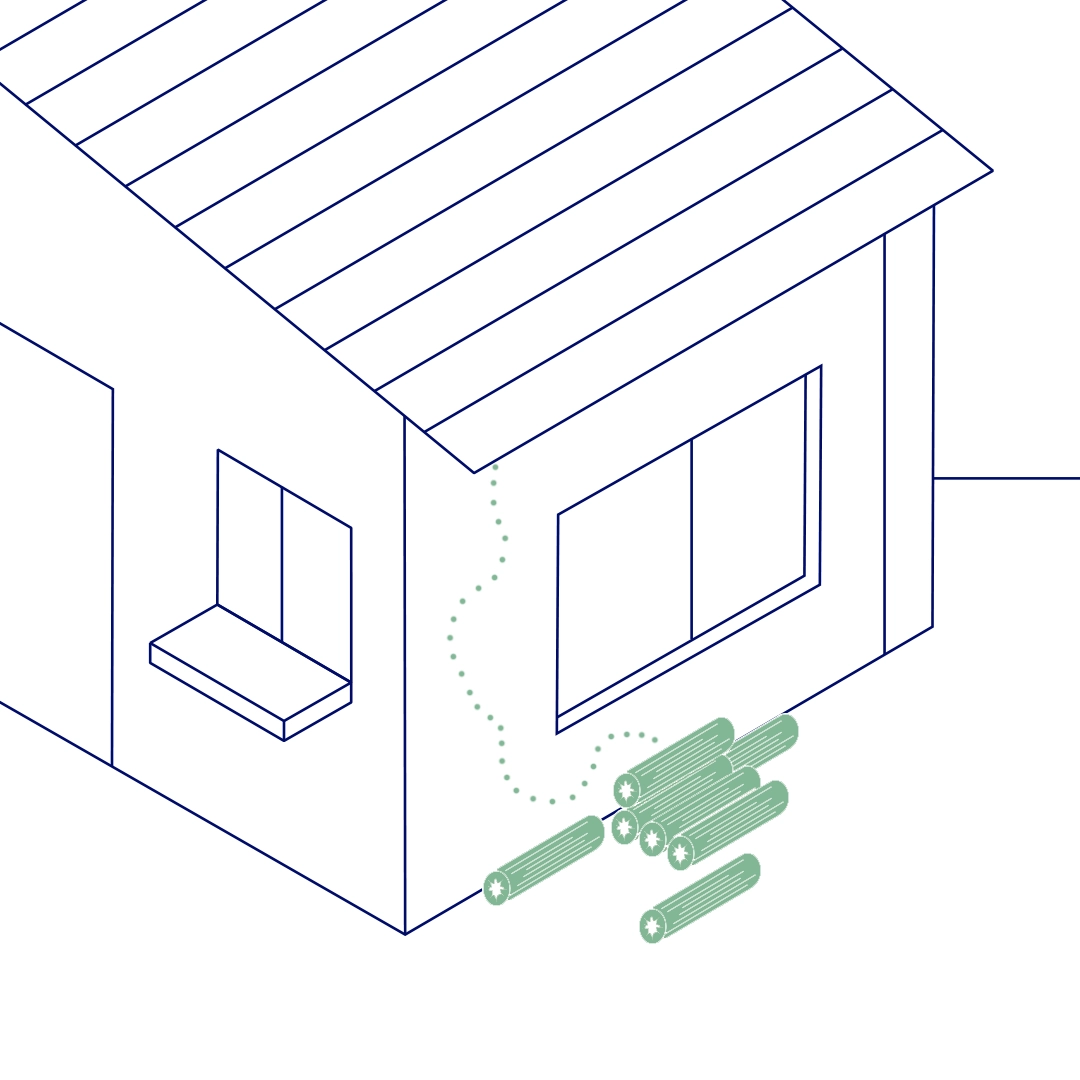
  • Check for signs of termites.
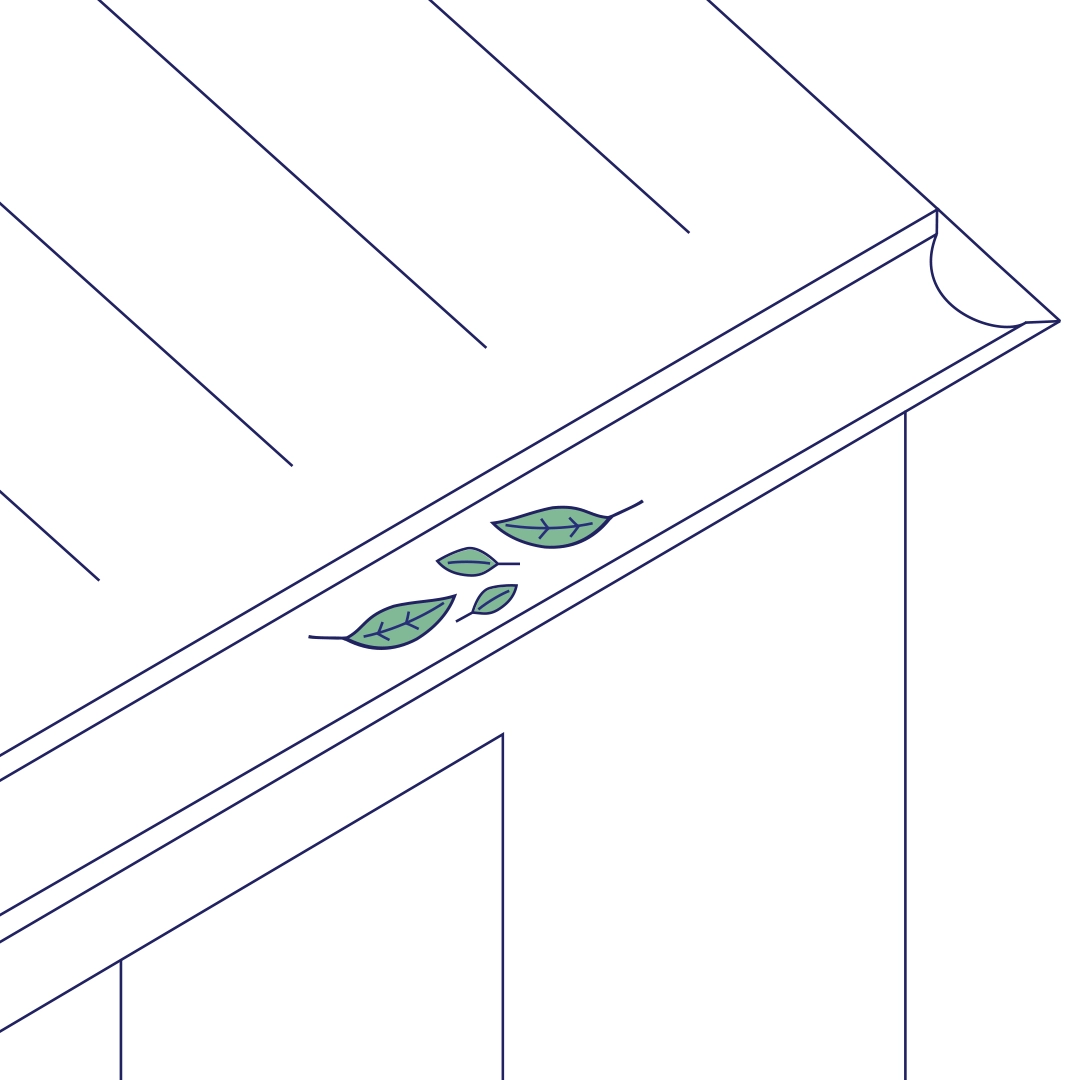
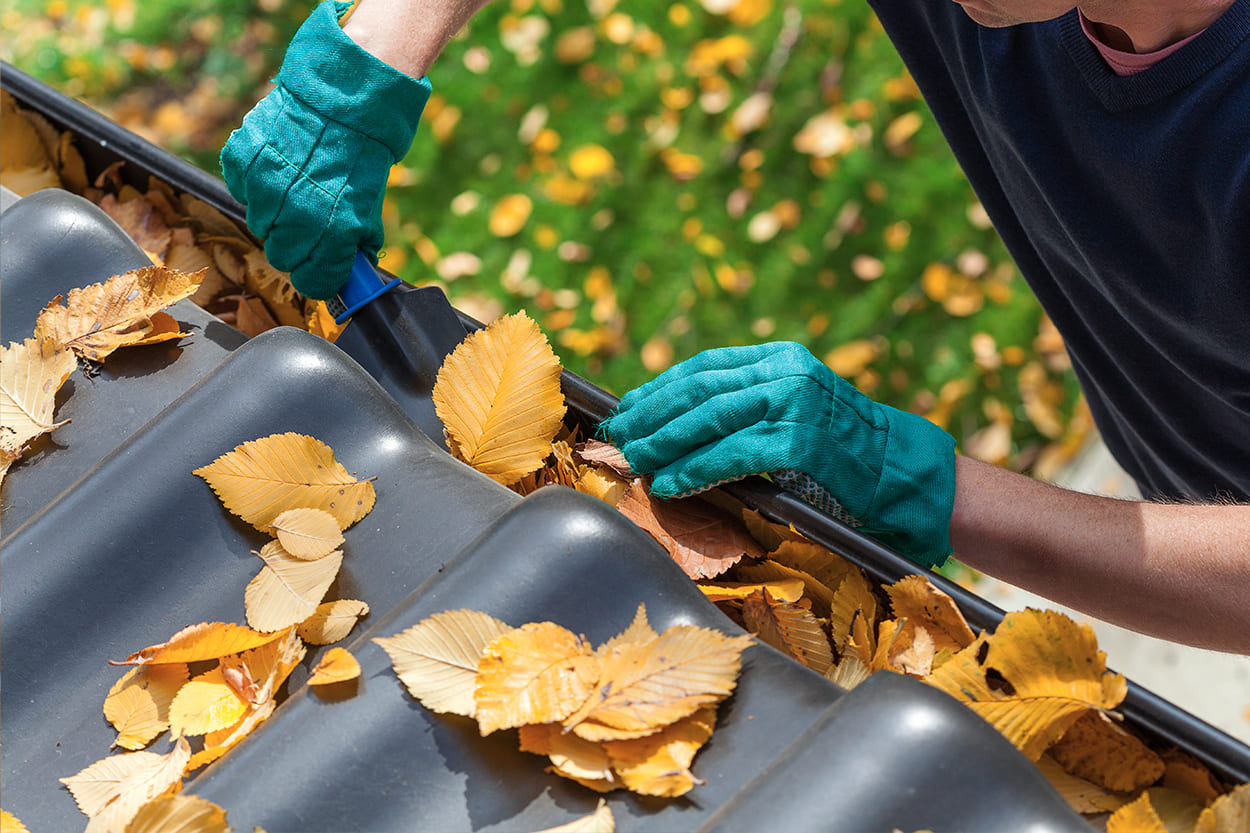
  • Clean gutters, downpipes and drains at least twice a year.
  • Check for water drainage issues around your home’s foundation and in hard landscaped areas.
  • Clean and maintain garden fences and retaining walls.

When to speak to a professional:

  • Hire an arborist to trim taller trees and branches near power lines.
  • Book a professional pest inspection each year and follow their advice.
  • Hire a builder or landscaper to fix water drainage issues in hard landscaped areas and repair fences and retaining walls.

Start your Home Health Check today

Download a checklist of regular home checks and maintenance tasks.

Why home maintenance matters

Maintain your insurance cover

Keeping your home watertight, structurally sound, well-maintained, secure, and in good repair can help keep you covered by your home insurance.

Ensure the safety of your home

Regular home maintenance can help make your home safer, for example, cleaning gutters and drains to reduce bushfire and flooding risks.

Help prevent expensive damage

Fixing problems promptly can help avoid potentially more expensive damage and inconvenience.

Explore these articles

  • 24 March, 2026
    In the home | NRMA Insurance Blog

    Tracking 5 years of wild weather

    Read article
    Home Claims Preparedness
  • 11 September, 2025
    In the home | NRMA Insurance Blog

    Spring cleaning sorted: cleaning and preparedness tips

    Read article
    DIY Guide Preparedness
  • 20 August, 2025
    In the home | NRMA Insurance Blog

    Insurance and moving house

    Read article
    Home Guide Insurance

Things you should know

All content is intended to be general in nature and does not constitute and is not intended to be financial or professional advice. While NRMA Insurance has tried to ensure the accuracy of the information contained on these pages, you should not rely on any representation, statement or information without first making your own enquiries about the accuracy and reliability of the information provided.

NRMA Insurance does not accept any liability for the information provided on this site or for loss or damages resulting from reliance on the information contained on this site.