Emergency

We've been helping Australians for 100 years
During a cyclone, extreme winds can uproot trees and blow branches onto homes.
Damaging winds from a cyclone can extend hundreds of kilometres from the centre. Such strong and gusting winds frequently break or tip trees and break branches.
Regular pruning and thinning of tree branches and shrubs can help protect against tree-related damage by preventing branches breaking off in severe winds, and reducing wind resistance and pressure on trees.
In many instances, the safest or best option is to ask a certified arborist to check the health and safety of trees. You’ll especially need an arborist to perform the following tasks:
For more manageable tree maintenance jobs that you are confident tackling yourself, there are a number of things to look out for to help you assess the health of a tree and the action to take.
Dead, diseased or weak branches
Look for dry or brittle branches that lack leaves or buds; or branches with spots, discoloration, abnormal growths or wilting leaves. Weak branches may be thin, spindly, drooping or bent.
Crossing trees and branches
Friction between crossing branches can cause the wood to open, leaving the plant susceptible to disease and decay.
Branches growing warped or the wrong way
Sometimes weight on these branches isn’t evenly distributed, putting them at high risk of breakage.
Large cracks in the trunk or branches
These can be a sign of structural weakness, which can make the tree more susceptible to dying and causing damage. Trimming affected branches can help reduce the risk of injury or property damage from falling branches.
Overhanging branches
If they’re close to windows, roofs, skylights and gutters, they could be a safety hazard.
Branches growing close to powerlines
These trees must be inspected by a professional arborist. They should be pruned regularly to reduce the possible dangers and risk of causing significant damage to your home and your area’s power supply.
Search “pruning trees” on your council website and follow any tree-trimming guidelines as some work will require permission.
If you’ve decided to do the work yourself, you’ll need safety goggles and gloves, plus good quality secateurs. Use clean, sharp tools that are appropriate for the size of the branch you’re cutting, and use telescopic pruners for pruning high branches. Industrial string can be helpful for tying up branches once you’ve removed them.
Start with smaller branches at the tree’s base before moving on to larger branches within your reach. If you’re ever in doubt, have a certified arborist assess your yard to determine the best course of action for the health and safety of the trees.

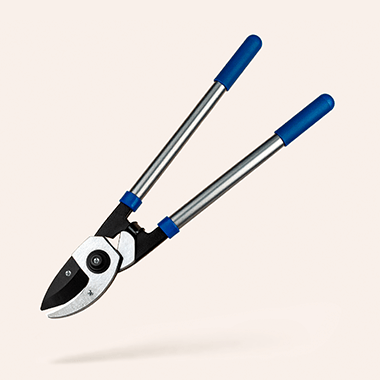
Secateurs

Telescopic pruner

Gloves

Safety Glasses

Sturdy Leaf Rake

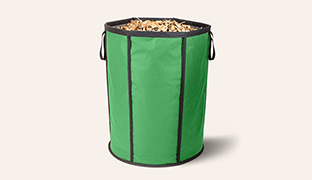
Pop-up garden bag

Industrial string
Always ask a professional if you aren’t comfortable trimming or pruning trees:
When it comes to larger and higher branches, especially ones closer to homes, streets, powerlines, or neighbours’ properties, you’ll need to call a certified and fully-insured arborist.
It helps to have a few details ready

The risk ratings displayed by this tool are based on postcode-level data only and are not based on your own home’s characteristics. They reflect an average across all properties within a postcode and are provided as general information. They are not a substitute for a property-specific risk assessment.
Risk is distributed unevenly across properties within any postcode, which means most individual properties will not have the postcode-average risk rating, but will have a risk rating that is either higher or lower than the postcode average shown. This tool should not be used to calculate, predict or estimate the sum insured applicable to any individual property nor is this tool used by NRMA Insurance to calculate your premium. NRMA Insurance accepts no liability for any loss or damage arising from reliance on the information provided by this tool.
The information provided by this tool is general information only and does not constitute financial or professional advice. It does not take into account your individual objectives, financial situation, or needs (“your personal circumstances”). Before making any insurance decision, you should consider your personal circumstances and the relevant Product Disclosure Statement. The Product Disclosure Statement and Target Market Determinations are available at nrma.com.au. Insurance is issued by Insurance Australia Limited ABN 11 000 016 722 AFSL 227681 trading as NRMA Insurance.