Emergency


We've been helping Australians for 100 years
Windows are one of the biggest sources of heat gain in your home. Upgrading internal window coverings could help.
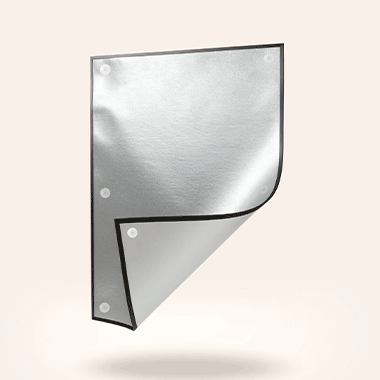
On hot days, and especially during a heatwave, the sun’s heat can enter through your windows and become trapped inside your home.
Some internal window coverings are better than others when it comes to keeping out the heat. Knowing the most effective options could help you keep your home cooler for longer and help reduce the need for air conditioning.
Help reduce heat gain during the day by helping prevent hot air and the sun’s rays coming in. When the sun sets and the temperature is cooler, open windows to let the evening breeze blow through your home.
Internal blinds and shutters can help prevent excessive heat gain by blocking or reflecting the sun’s rays. Effective insulating blinds can include those backed with light-coloured or reflective block-out fabric and those made with a pocket-like honeycomb construction to trap air
Close-fitting lined curtains or blinds can help reduce heat gain. Blinds fitted within a pelmet box, cassette or frame can help improve insulation by reducing gaps around the blind.
Taping plastic double-glazing film to your windows could be a way to help prevent heat entering your home. Ask your local hardware store for more information.
For advice on internal window coverings for your home, or professional installation, you could consider contacting a window furnishing specialist.

The risk ratings displayed by this tool are based on postcode-level data only and are not based on your own home’s characteristics. They reflect an average across all properties within a postcode and are provided as general information. They are not a substitute for a property-specific risk assessment.
Risk is distributed unevenly across properties within any postcode, which means most individual properties will not have the postcode-average risk rating, but will have a risk rating that is either higher or lower than the postcode average shown. This tool should not be used to calculate, predict or estimate the sum insured applicable to any individual property nor is this tool used by NRMA Insurance to calculate your premium. NRMA Insurance accepts no liability for any loss or damage arising from reliance on the information provided by this tool.
The information provided by this tool is general information only and does not constitute financial or professional advice. It does not take into account your individual objectives, financial situation, or needs (“your personal circumstances”). Before making any insurance decision, you should consider your personal circumstances and the relevant Product Disclosure Statement. The Product Disclosure Statement and Target Market Determinations are available at nrma.com.au. Insurance is issued by Insurance Australia Limited ABN 11 000 016 722 AFSL 227681 trading as NRMA Insurance.