
We've been helping Australians for 100 years
Our Driving Safer Outcomes Report reveals the life-saving potential of Advanced Driver Assistance Systems (ADAS). Discover the benefits and what you can do to start building confidence with your car's safety features.
Share this story:

According to the National Road Safety Data Hub, 1,326 road deaths have been recorded in the past 12 months as of July 2026. That's 0.9% higher than the same time last year1. It's a sobering figure, but ADAS adoption offers hope for helping to reduce road related fatalities, IAG research finds (IAG is the parent company of NRMA Insurance).
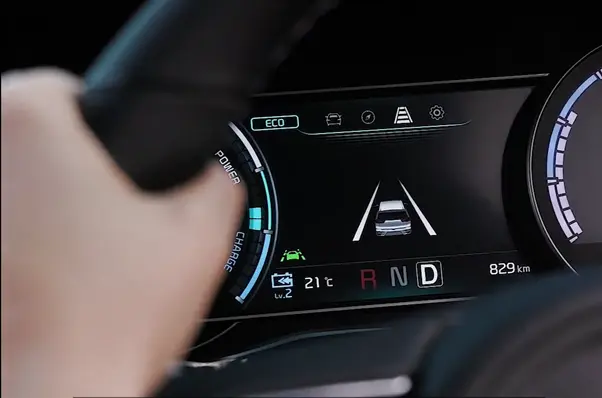
ADAS, short for Advanced Driver Assistance Systems, refers to smart car technology that aids, automates and improves systems in vehicles to help you drive safely and well. Many vehicles in Australia currently have some level of automation through ADAS features, like cruise control and blind spot monitoring. The technology isn't there to override a driver's intuition, but to help inform drivers of risks and hazards they might not have noticed, and where possible, intervene to help prevent a collision. This might happen via light sensors, sound indicators, steering adjustment or emergency braking.
The Federal Government has been gradually implementing new safety mandates to ensure more vehicles on our roads are fitted with this technology. In 2025, it became law that all new vehicles sold in Australia were required to be fitted with car-to-car automated emergency braking (AEB). This year in August, car-to-pedestrian AEB systems were mandated. And more regulatory changes are on the way — by 1 March 2029, lane-keep assist technology will be required on all new passenger and light-commercial vehicles sent to our shores.
The IAG Driving Safer Outcomes Report which draws on studies conducted in partnership with Queensland University of Technology (QUT) and iMOVE, explores ADAS safety technology effectiveness, driver perception and adoption, and opportunities to maximise its impact in reducing Australian road accidents.
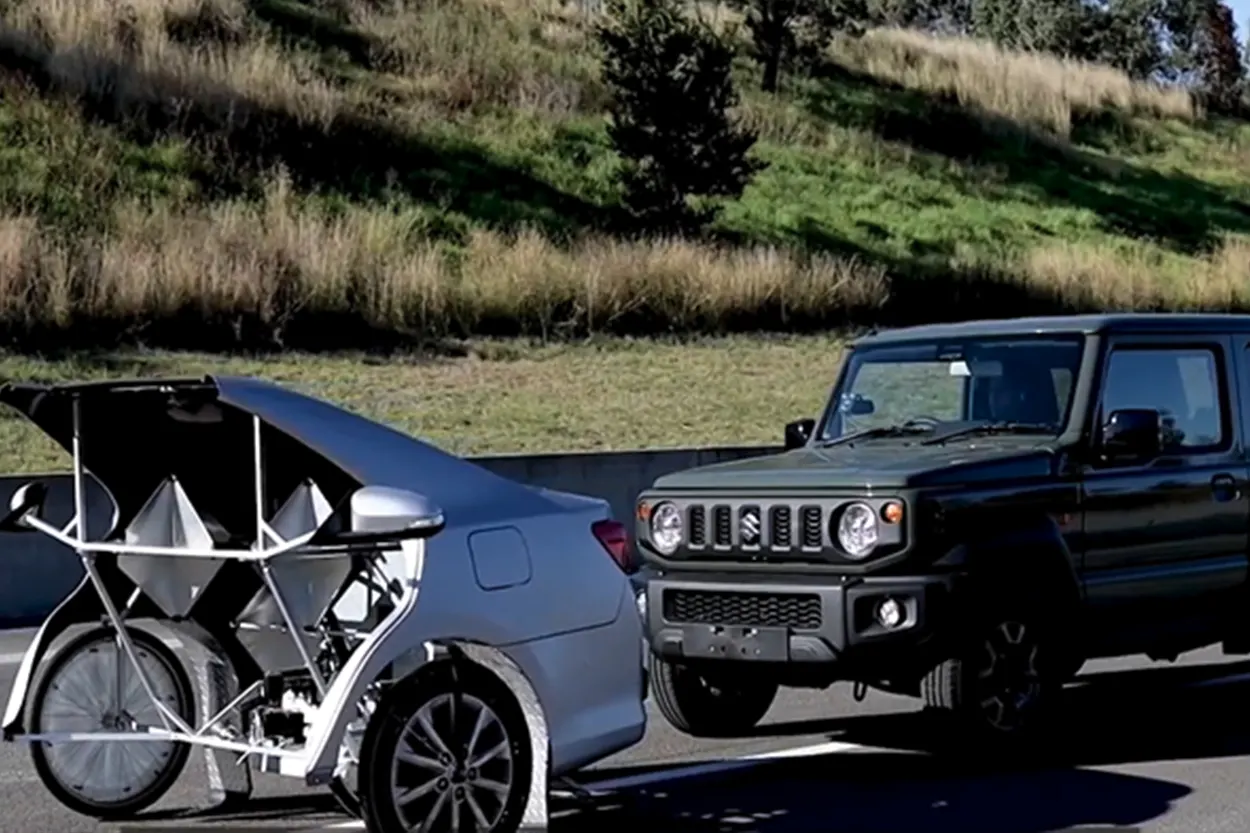
According to the study2, which analysed 100,000 collisions and surveyed 2,204 licensed Australian drivers, 1 in 5 road casualties could be prevented through greater trust in smart-car safety tech. The study also found:
However, there's a key barrier that's limiting ADAS's life-saving potential: driver perception. Mr Ticehurst, Head of the IAG Research Centre, shares that "60% of Australian drivers tell us they are actively turning off driver-assist safety features in their cars, and we know the majority that do use the technology are learning through a process of trial and error alone.
In a modernising vehicle fleet with driver-assist safety features as standard, we would expect to see a positive correlation in reduced accident and casualty rates — but that's not happening and it needs to change if we want to see fewer accidents.
We believe full uptake of driver-assist systems in Australia has the potential to prevent 20% of road casualties each year."
There's a variety of reasons why some Australians are switching off the tech. Survey results revealed that some drivers find ADAS technology distracting, dangerous, and in some circumstances, unsettling. Passive warnings and alerts, like blind-spot warnings and lane-departure notifications aren't so much the issue, it's the active interventions — where the car automatically corrects a lane departure or force brakes — that are the key bugbears for drivers.
"The effectiveness of ADAS in delivering real-world safety benefits depends on strong driver engagement, which starts with overcoming existing negative attitudes and behaviours through targeted information and education." - Sebastien Glaser, Professor in Intelligent Transportation System at QUT.
So, what can be done to help increase adoption and reduce irritation?
During IAG's driver-field study, one guided test drive more than doubled the number of drivers who would be comfortable using ADAS. These findings suggest that experience is what drivers most crave and what builds the most comfort — so give them more! Do it at the point of sale, in driver training, and through demonstrations.
“Collaboration between vehicle manufacturers, governments, driver educators and motorists will be critical to increasing the ongoing use of ADAS technologies and unlocking their full potential to reduce collisions and ultimately, to save lives on Australian roads,” shares Ticehurst.
If you've switched off your ADAS features in your car, consider giving them another go. Here's how:
First, begin to build your understanding of how the tech works. You could do this by:
Information alone isn't always enough to build confidence with new technology. To get hands-on experience, consider:
1 Department of Infrastructure, Transport, Regional Development, Communications, Sport and the Arts. (2026, August 17). Monthly road deaths. National Road Safety Data Hub. https://datahub.roadsafety.gov.au/reporting/monthly-road-deaths
2 IAG. (2026). IAG Driving Safer Outcomes Report. https://www.iag.com.au/content/dam/corporate-iag/iag-aus/au/en/documents/adas-report-2026/iag-driving-safer-outcomes-report-august-2026.pdf
Information is current as at the date of publication and may be subject to change. All content on the NRMA Insurance Blog is intended to be general in nature and does not constitute and is not intended to be professional advice. It does not take into account your individual objectives, financial situation or needs. References to third-party organisations, products, services or brands on the NRMA Insurance Blog are for informational purposes only and do not imply any affiliation with or endorsement by NRMA Insurance, unless expressly stated otherwise.