
We've been helping Australians for 100 years
Aussie families are feeling the pinch. Read our top 10 frugal living tips to help save money this winter.
Share this story:

Aussies are doing it tough. Wage growth is on the rise, but not fast enough to keep up with the pace of inflation1. According to the most recent price index published by the Australian Bureau of Statistics (ABS)2, in the 12 months to March 2026, the Consumer Price Index (CPI) rose 4.6%, up from 3.7% in the 12 months to February 2026. The main contributors include transport (largely driven by global impacts influencing automotive fuel prices), housing, and essential goods, including food, non-alcoholic beverages and clothing. As a result, families and young people are keen to find ways to spend less money and save. Here, we share some ideas to help ease the pressure and manage the household budget this winter.
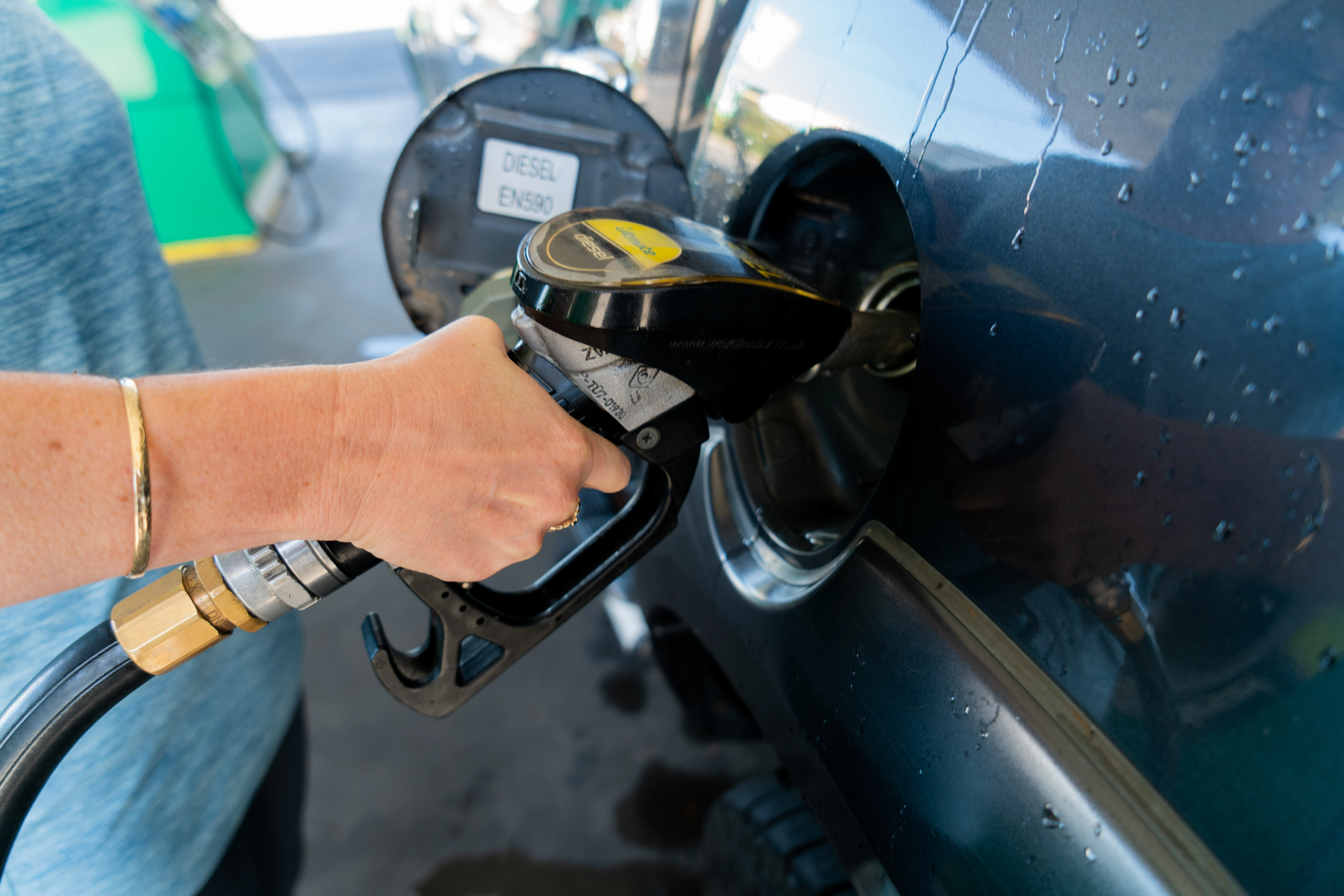
Before you top up, shop around. Apps and websites like Petrol Spy, Fuel Map Australia and MotorMouth can help you save money with price drop notifications and local trends.
Up to 25% of winter heat loss3 from existing houses is caused by air leakage (or draughts). There are a few ways to check for draughts. You can use your hand to feel for cold and moving air, use an incense stick to see if the smoke blows in a different direction, or listen carefully for rattles and whistling. Depending on the location of the draught, you might consider:
Public libraries offer so much more than just books. Along with free access to the internet, they have collections of magazines, DVDs, newspapers, ebooks and audio books for all ages to explore and enjoy. Find your local, select a book of interest, and embrace the warmth of the community space for free.
Meal plans aren’t just for fitness fanatics tracking their protein; they’re a great tool for families, couples and singles alike. By having a set shopping list and plan for the week, you can:
Silverbeet, kale, spinach, and lettuce all thrive in Australian winters, and just happen to be incredibly versatile! (Kale chips, anyone?) Whether you plant them in balcony-friendly pots or in a larger yard, growing your own leafy greens is a great way to save money on fresh produce and maintain a healthy diet during winter.
Ever heard of ‘vampire power’? It’s a term applied to standby power (power drawn by an appliance when it’s not in use), that quietly accounts for up to 3% of your household energy use, equating to around $100 a year4. To help reduce the impact:
Speaking of energy use, shopping around for the best energy offers can also help you save money. Get a comparison of offers from energy retailers in your area by using an online energy comparison tool. To get started, you’ll typically need to provide information about your home (including your postcode) and a recent bill.
Whether you’re watching an elite sporting match or junior footy, you’ll know that food and drink costs can quickly add up when you’re out. Thankfully, there’s a way to help your dollar go further: the humble thermos. Instead of paying $5 for one small hot chocolate from a stadium vendor or food truck, pre-prepare it at home to take with you to the game. Same goes for hotdogs. Fill up the thermos with boiling water, pop the hot dogs in, screw the lid on securely, and they’ll cook by the time you arrive at the ground. (Just don't forget the rolls.)
Did you know hot water accounts for around 25% of the average household energy bill5? Try to minimise hot water use by:
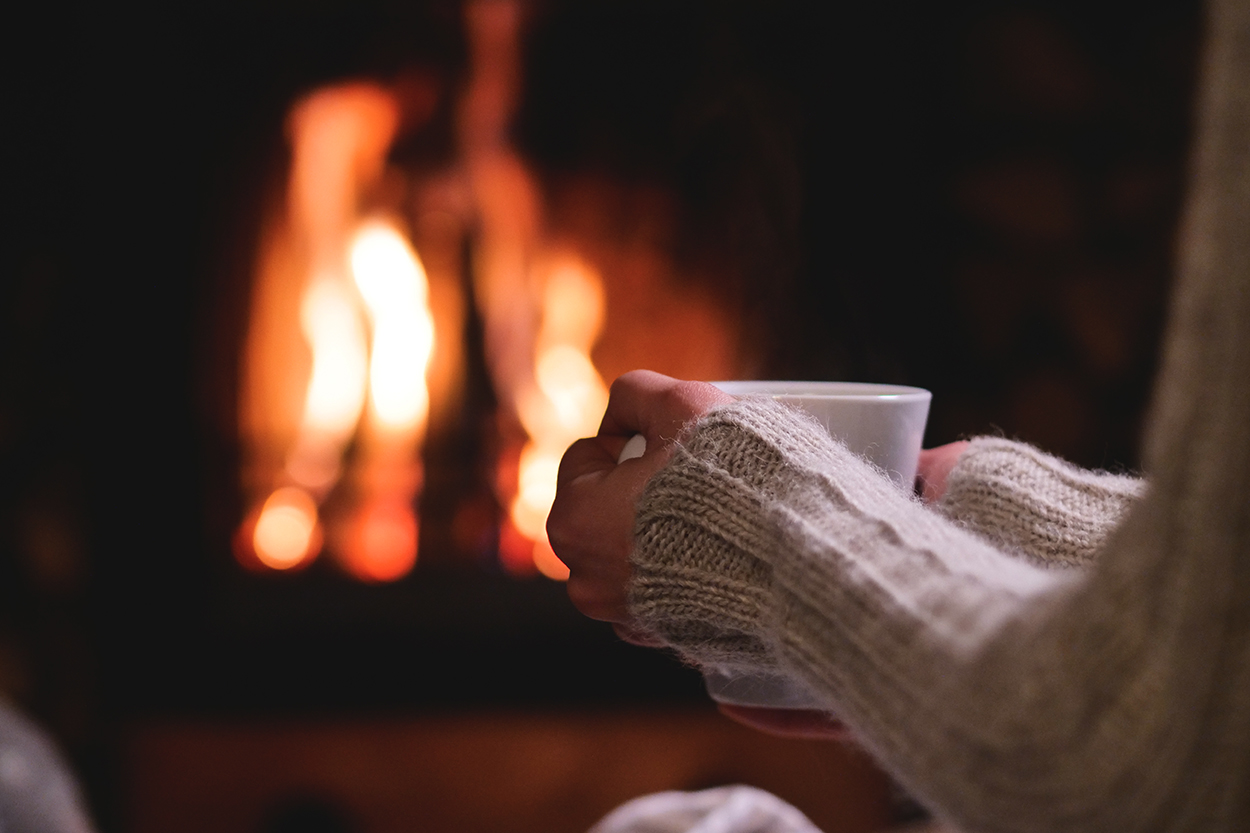
Heaters aren’t the only way to stay cosy in the cooler months. Fluffy slippers, long-sleeved pyjamas, a heavy blanket and a hot cup of tea all go a long way toward keeping you adequately toasty while you binge-watch reality TV on the couch. Flannelette bedsheets also don’t go astray, along with thick bed socks for extra warmth.
1 Ahmed, E. (2026, May 6) From wage growth to wage survival: Australia’s ‘cost-of-living Christmas’ in 2026. CSU News. https://news.csu.edu.au/opinion/from-wage-growth-to-wage-survival-australias-cost-of-living-christmas-in-2026
2 Australian Bureau of Statistics. (2026, March). Consumer Price Index, Australia. ABS. https://www.abs.gov.au/statistics/economy/price-indexes-and-inflation/consumer-price-index-australia/mar-2026.
3 Sustainability Victoria. (2021, January 10). Draught proofing a home. Sustainability Victoria. https://www.sustainability.vic.gov.au/energy-efficiency-and-reducing-emissions/building-or-renovating/build-for-energy-efficiency/key-principles-of-energy-efficient-design/insulation/draught-proofing
4 Australian Government Department of Climate Change, Energy, the Environment and Water. (n.d.). Appliances. energy.gov.au. https://www.energy.gov.au/households/appliances
5 Australian Government Department of Climate Change, Energy, the Environment and Water. (n.d.). 5 simple ideas to save energy. energy.gov.au. https://www.energy.gov.au/households/household-guides/5-ideas-saving-energy-and-money
Information is current as at the date of publication and may be subject to change. All content on the NRMA Insurance Blog is intended to be general in nature and does not constitute and is not intended to be professional advice. It does not take into account your individual objectives, financial situation or needs. References to third-party organisations, products, services or brands on the NRMA Insurance Blog are for informational purposes only and do not imply any affiliation with or endorsement by NRMA Insurance, unless expressly stated otherwise.