

We've been helping Australians for 100 years

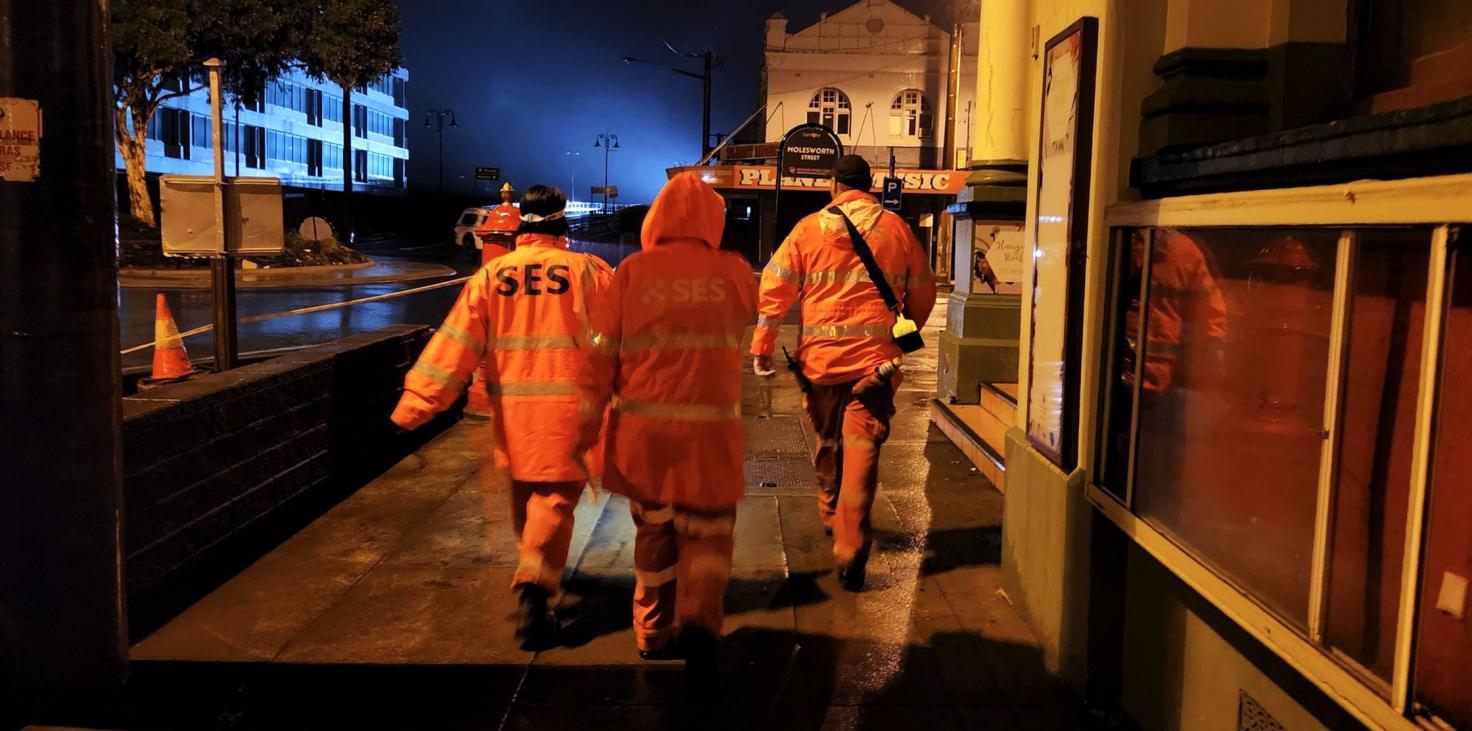
When heavy rains and strong winds are forecast, you can help protect your home with some simple planning and preparation. Get started with 5 helpful tips and a short video.
Regular inspections and repairs can ensure your roof and balcony are ready to withstand wild weather. Wind and rain will find the weakest links, so all parts of the building (roof cladding, fascias, gutters, window seals, skylights, whirly birds and roof-to-wall connections) need to be checked regularly for loose or missing fittings, rust, rot, UV damage and insect attack.
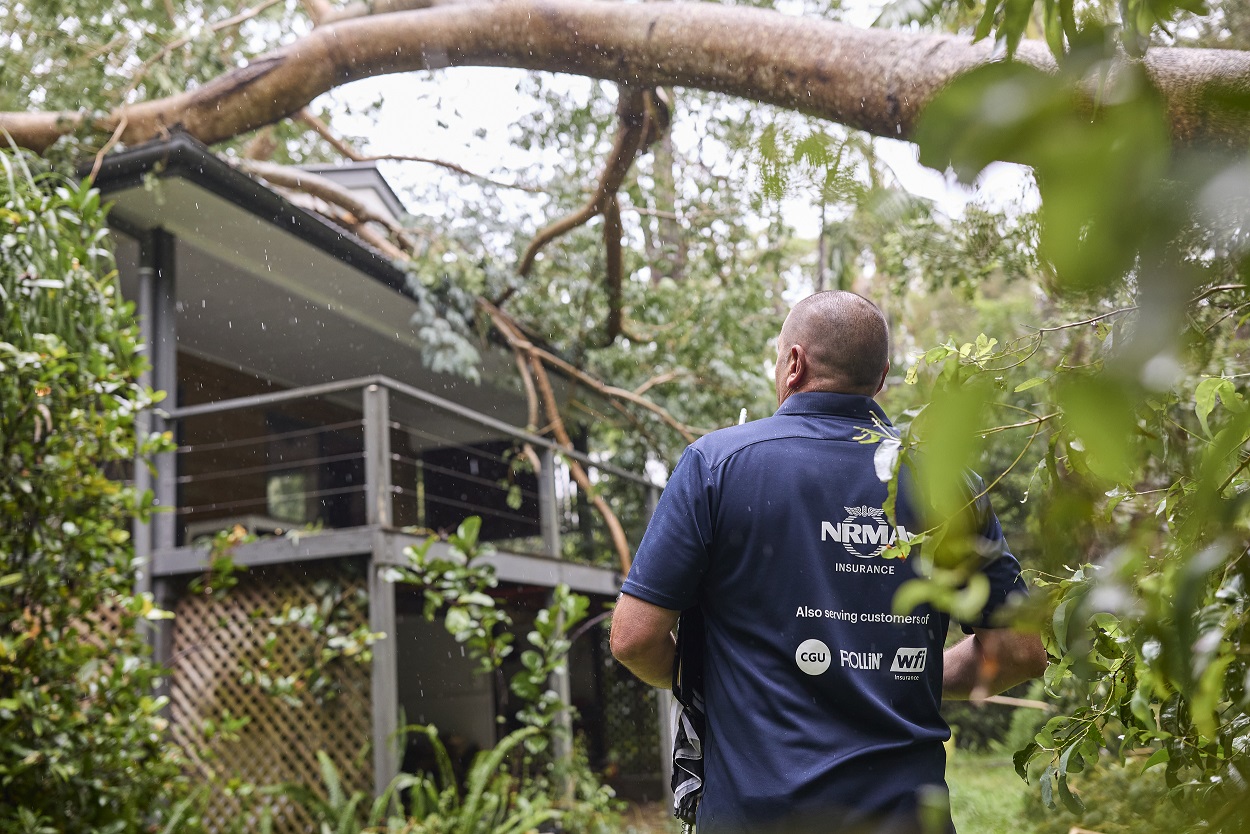
Trim dead or overhanging tree branches regularly. Seek approval from neighbours and council if required. For tall trees or branches near power lines, hire a qualified arborist.
If a cyclone is on its way ensure all loose items are tied down or packed away as these can be picked up by the wind and cause damage to properties, as well as endanger people.
This helps to reduce wind driven rain entering your home and the subsequent damage that comes with it.
If windows or openings are likely to be exposed to flying debris temporary shutters can help prevent damage.
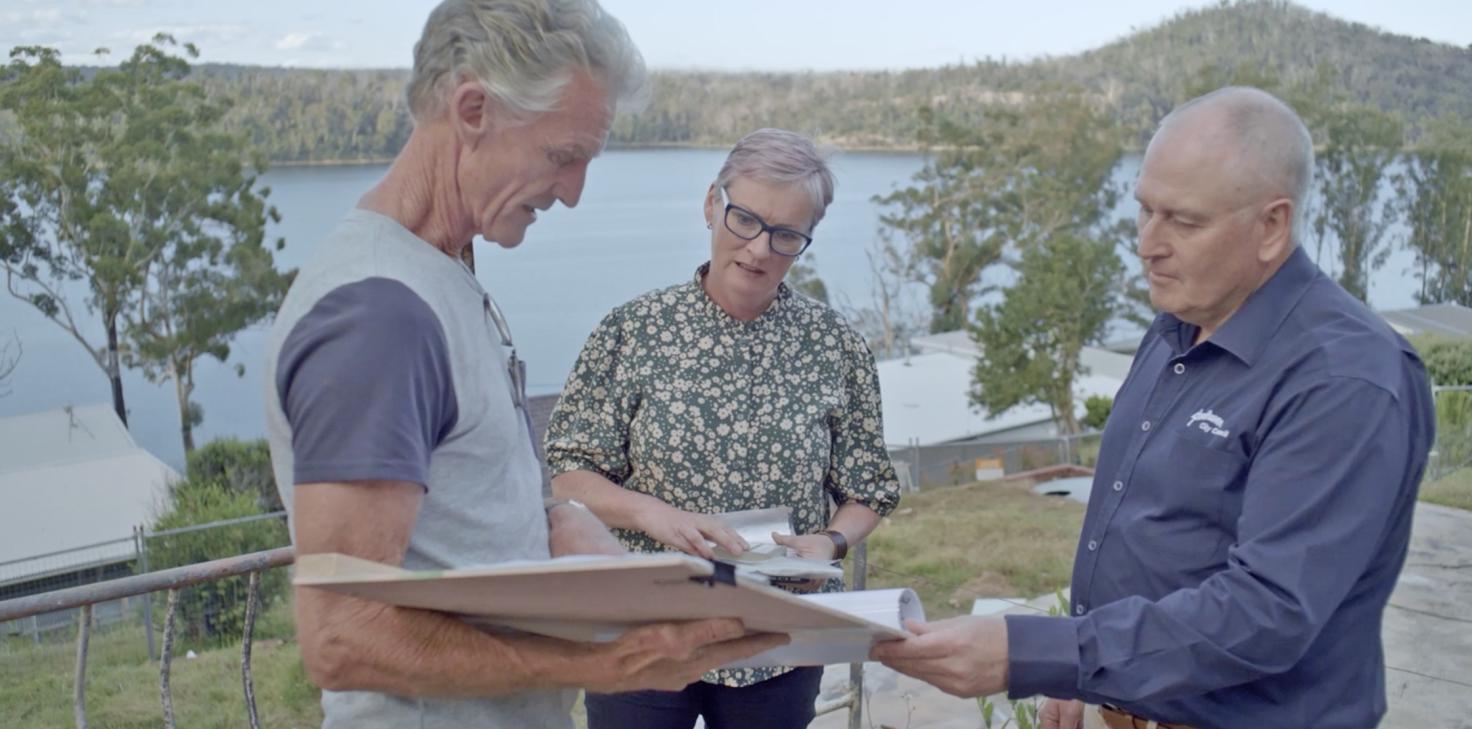
Once you understand what extreme weather risks are affecting your area you can take action and help to prepare for them. Click the weather risks relevant to your area to find out how to prepare for specific extreme weather events.
All content is intended to be general in nature and does not constitute and is not intended to be financial or professional advice. While NRMA Insurance has tried to ensure the accuracy of the information contained on these pages, you should not rely on any representation, statement or information without first making your own enquiries about the accuracy and reliability of the information provided. NRMA Insurance does not accept any liability for the information provided on this site or for loss or damages resulting from reliance on the information contained on this site.
It is important to note that seasonal risk levels displayed in this map are general in nature and are based on the opinion of NRMA Insurance for each state and territory, taking into account a range of internal sources, including, insurance claims statistics. The seasonal risk levels provided for your state or territory should be used at your own risk, and are not reflective of individual property risks. The opinions provided by NRMA Insurance are not intended to be advice about future seasonal risk levels in your state or territory.