Emergency

We've been helping Australians for 100 years
Bushfires can approach fast. In an emergency you might only have minutes to make critical decisions, so put a plan in place now.
Your plan should include what you’ll take, who you’ll call, where you’ll go and how you’ll get there. Practice your plan with your household. Prepare your plan well in advance and make it a habit to review it regularly. Check if it’s still fit for purpose.
During a bushfire, Alert Levels are used to indicate the level of threat from bush fire in your area through your local fire agency. It’s important to stay informed and follow the advice of the alert levels. Bush and Grass Fires can start and spread rapidly. Delaying action can put you, your loved ones, and your property at significant risk.
Stay aware of your surroundings, follow emergency advice, and make safety your top priority.
Advice
A fire has started. There is no immediate danger. Stay up to date in case the situation changes.
Watch and Act
There is a heightened level of threat. Conditions are changing and you need to start taking action to protect you and your family.
Emergency Warning
An Emergency Warning is the highest level of Bush Fire Alert. You may be in danger and need to take action immediately. Any delay now puts your life at risk.
Check your local bushfire service website to understand your local risks and how to prepare.
You can also find out who to contact for bushfire preparedness and information in your state or territory through the National Emergency Management Agency (NEMA) website.
Australian Capital Territory
ACT Fire & Rescue
New South Wales
Fire and Rescue NSW (FRNSW) for urban and metropolitan areas
NSW Rural Fire Service (RFS) for rural areas
Download the Hazards Near Me app for up-to-date alerts about bushfires and other hazards in NSW.
Victoria
Fire Rescue Victoria
Country Fire Authority (CFA)
Queensland
Queensland Fire and Emergency Services
South Australia
Metropolitan Fire Service
South Australian Country Fire Services
Tasmania
Tasmania Fire Service
Western Australia
Department of Fire and Emergency Services (DFES)
Rural Fire Division
Northern Territory
Northern Territory Fire and Rescue Service
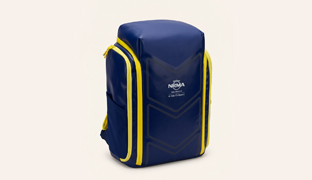
Your Emergency Go Bag should have all your essentials ready so you can leave quickly. Pack your Emergency Go Bag ahead of time and store it in a location that’s easy to get to and that the whole family knows about.
The decisions you make before a bushfire starts can have a big impact on your safety. Fire Danger Ratings show how severe a fire could be if one started in your area today. Each colour represents a level of risk and helps you understand when to take action to help protect yourself and others from the potential impact of bushfire.
MODERATE: PLAN AND PREPARE
At MODERATE, most fires can be controlled. Stay up to date and be ready to act if there is a fire.
HIGH: BE READY TO ACT
At HIGH, be ready to act. Fires can be dangerous and there is a heightened risk, so be alert for fires in your area. Decide what you will do if a fire starts as your life and property may be at risk. The safest option is to avoid bushfire risk areas.
EXTREME: TAKE ACTION NOW TO PROTECT YOUR LIFE AND PROPERTY
At EXTREME, fires will spread quickly and become extremely dangerous. Check your bushfire plan and that your property is fire ready. If a fire starts, take immediate action. If you and your property are not prepared to the highest level, go to a safer location well before the fire impacts. Reconsider travel through bushfire risk areas.
CATASTROPHIC: FOR YOUR SURVIVAL, LEAVE BUSHFIRE RISK AREA
Under CATASTROPHIC conditions, if a fire starts and takes hold, lives are likely to be lost. These are the most dangerous conditions for a fire. Your life may depend on the decisions you make, even before there is a fire.
Stay safe by going to a safer location early in the morning or the night before. Homes cannot withstand fires in these conditions. You may not be able to leave and help may not be available.

The risk ratings displayed by this tool are based on postcode-level data only and are not based on your own home’s characteristics. They reflect an average across all properties within a postcode and are provided as general information. They are not a substitute for a property-specific risk assessment.
Risk is distributed unevenly across properties within any postcode, which means most individual properties will not have the postcode-average risk rating, but will have a risk rating that is either higher or lower than the postcode average shown. This tool should not be used to calculate, predict or estimate the sum insured applicable to any individual property nor is this tool used by NRMA Insurance to calculate your premium. NRMA Insurance accepts no liability for any loss or damage arising from reliance on the information provided by this tool.
The information provided by this tool is general information only and does not constitute financial or professional advice. It does not take into account your individual objectives, financial situation, or needs (“your personal circumstances”). Before making any insurance decision, you should consider your personal circumstances and the relevant Product Disclosure Statement. The Product Disclosure Statement and Target Market Determinations are available at nrma.com.au. Insurance is issued by Insurance Australia Limited ABN 11 000 016 722 AFSL 227681 trading as NRMA Insurance.