Emergency


We've been helping Australians for 100 years
Burning embers carried on the wind from an approaching bushfire can ignite new fires on and around your home.
Embers are small pieces of burning debris, such as twigs, leaves and bark. They can be carried by the wind over long distances and spark new fires well ahead of the main blaze, often landing in vulnerable spots like gutters, roofs or dry vegetation around homes.
This is known as ‘ember attack’ and it’s one of the most common ways houses catch fire during a bushfire. It can happen before the main fire arrives, while it’s passing through, or even after it’s moved on.
Cut back any overhanging trees and shrubs, and trim any vegetation growing near walls, roofs and fences. Remove dead plants, dried leaves, twigs and any other organic debris.
Get help if you need it
In many instances, the safest or best option is to ask a certified arborist to check the health and safety of trees and perform the following tasks:
Maintain your lawn so it doesn’t become overgrown. Place grass clippings and other combustible items in a compost bin away from your home.
Remove debris from carports, decks, pergolas, verandas and underneath your home. Remember to check under verandas and decks or anywhere embers could fly to and smoulder. Regularly check and maintain any screening around decks/verandas to help reduce the risk of embers blowing inside.
If you’re due to replace any outdoor items, such as wooden furniture, fabric flyscreens and jute welcome mats, consider replacing them with less flammable alternatives.
Outdoor furniture
Swap out wicker, bamboo, or wooden furniture for metal or fire-retardant alternatives. Consider changing plastic chairs and tables to stainless steel or metal based alternatives. Store flammable items like fabric cushions and shade sails well away from the house.
Mats
Replace coir and jute mats with rubber ones.
Garden mulch
Consider if you could swap mulch for stones or pebbles.
Flyscreen
Consider replacing fabric screens with metal ones.
Pergolas, lattice and privacy screens
Position these screens away from your house.
Wooden sheds or cubby houses
Move these away from your house.
Use joining strips, silicon weather strips and draught blockers. Apply window and door seals to help prevent embers and smoke getting in.
If a bushfire is approaching, you should consider sealing vents and weep holes in external walls. Get prepared ahead of time by sourcing steel, bronze or aluminium mesh covers. Note: vents serve an important purpose in your home and should be uncovered after the risk of bushfire has reduced.
Check for gaps around your roof
Get professional help or safely block any holes to help keep embers out if you can.
Consider non-flammable screening around decks or verandas
This could help reduce the risk of embers blowing into your home. Any screens will need to be regularly monitored and cleared of debris.

Rake

Leaf blower

Compost bin

Lawn mower

Gloves

Safety Glasses

Pop-up garden bag

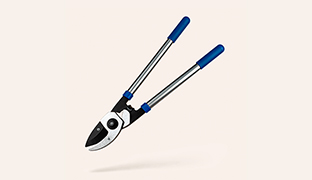
Telescopic pruner

Pruning shears

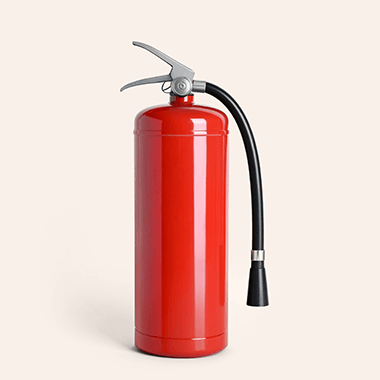
Fire extinguisher

5L garden pressure sprayer

Door threshold seal

Rubber welcome mat
Always ask a professional if you aren’t comfortable doing certain jobs yourself. Consider calling:
It helps to have a few details ready


The risk ratings displayed by this tool are based on postcode-level data only and are not based on your own home’s characteristics. They reflect an average across all properties within a postcode and are provided as general information. They are not a substitute for a property-specific risk assessment.
Risk is distributed unevenly across properties within any postcode, which means most individual properties will not have the postcode-average risk rating, but will have a risk rating that is either higher or lower than the postcode average shown. This tool should not be used to calculate, predict or estimate the sum insured applicable to any individual property nor is this tool used by NRMA Insurance to calculate your premium. NRMA Insurance accepts no liability for any loss or damage arising from reliance on the information provided by this tool.
The information provided by this tool is general information only and does not constitute financial or professional advice. It does not take into account your individual objectives, financial situation, or needs (“your personal circumstances”). Before making any insurance decision, you should consider your personal circumstances and the relevant Product Disclosure Statement. The Product Disclosure Statement and Target Market Determinations are available at nrma.com.au. Insurance is issued by Insurance Australia Limited ABN 11 000 016 722 AFSL 227681 trading as NRMA Insurance.