Emergency


We've been helping Australians for 100 years
When heavy rain hits, blocked gutters and downpipes can force water into your home.
It’s easy to overlook gutter maintenance, but keeping them clear is one of the simplest ways to help protect your home from the impacts of wild weather. When gutters and downpipes are blocked – often by leaves and other debris – rainwater has nowhere to go, leading to potential overflow and building damage.
Regularly clearing debris from gutters and making sure your roof is in good condition can help minimise wet weather leaks.
Working at heights is dangerous. Always consider professional help, especially for multi-storey homes. Any clearing of blockages that requires the gutter or downpipe to be detached or altered must be carried out by a roof plumber. Call a roofer to assess the condition of your roof and carry out any repairs.
Make sure your gutters are secure. Check the bolts and screws – these should be tight. Check for leaf litter that has broken down and hardened over time as this build-up will need to be removed along with any debris.
Why build up matters
If you haven’t ever cleared your gutters, they may be full of leaves that have broken down into a muddy substance and hardened over time. This mixture can damage and rust your gutters and cause problems for your home’s structure and foundation.
There may be more to clearing your gutters than you first thought. Always use protective gear, find out which tools will help you do a thorough job, and ask for help if you need it.
Wear gloves
Especially when removing debris by hand. Clear out leaves, twigs, and other debris from gutters. Work systematically from one end to the other.
Use a gutter scoop or trowel
These will allow you to effectively scrape along the gutter. Avoid pushing debris into the downpipes.
Use a brush for stubborn build-up
Scrub away caked-on dirt and smaller debris with a stiff brush to ensure smooth water flow.
Flush away remaining dirt
Hose down gutters after you’ve removed debris to clear away any build-up.
Dispose of debris
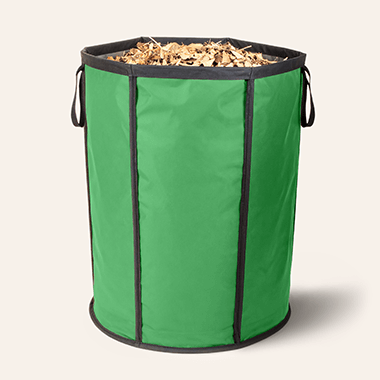
Collect debris and dispose of it in your green bin or compost later.
Check any outside drains. Clear any leaves or debris from ground-level drains to help prevent water backing up during heavy rain.

Gloves

Hose

Hose jet nozzle attachment

Narrow gutter scoop

Bucket

Pop-up garden bag

Garden trowel

Heavy duty scrubbing brush
Working at heights is dangerous so ask for help if you need it
Some repairs must be carried out by certified tradespeople. Always consider calling an expert to help clear your gutters:
It helps to have a few details ready



The risk ratings displayed by this tool are based on postcode-level data only and are not based on your own home’s characteristics. They reflect an average across all properties within a postcode and are provided as general information. They are not a substitute for a property-specific risk assessment.
Risk is distributed unevenly across properties within any postcode, which means most individual properties will not have the postcode-average risk rating, but will have a risk rating that is either higher or lower than the postcode average shown. This tool should not be used to calculate, predict or estimate the sum insured applicable to any individual property nor is this tool used by NRMA Insurance to calculate your premium. NRMA Insurance accepts no liability for any loss or damage arising from reliance on the information provided by this tool.
The information provided by this tool is general information only and does not constitute financial or professional advice. It does not take into account your individual objectives, financial situation, or needs (“your personal circumstances”). Before making any insurance decision, you should consider your personal circumstances and the relevant Product Disclosure Statement. The Product Disclosure Statement and Target Market Determinations are available at nrma.com.au. Insurance is issued by Insurance Australia Limited ABN 11 000 016 722 AFSL 227681 trading as NRMA Insurance.