Emergency


We've been helping Australians for 100 years
In an emergency, you’ll have minutes to make critical decisions, so put a plan in place now.
Your plan should include what you’ll take, who you’ll call and where you’ll go. Practice your plan with your household. Download a simple Flood Checklist prepared by the South Australian SES to help guide you.
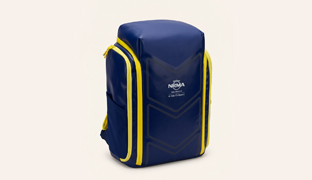
Keep an Emergency Go Bag somewhere safe
Set aside an emergency survival kit and keep it elevated from possible floodwaters in a location that’s easy to get to and that the whole family knows about.
Know what will trigger your flood plan. Signs a flood may be coming will differ depending on where you live, but generally can include intense rainfall and rapidly rising water levels.
Official warnings and flood advice are provided by the Bureau of Meteorology and your local SES. You can contact your local SES on 132 500 from anywhere in Australia.
Flood Watch
Early advice that flood-producing rain is expected to happen in the near future.
Flood Warning
Issued when the BoM is more certain that flooding is expected in a specific area and is typically issued when rain has started to fall.
Severe Weather Warning
Issued for very heavy rain that may cause flash flooding or abnormally high tides that can affect flooding. Localised flash flooding occurs after intense rainfall and is also referred to as overland flooding.
The Bureau also provides warning systems when there is heavy rainfall that may cause flash flooding, and abnormally high tides.
The Australian Warning System provides real-time information about a hazard that’s heading your way or happening right now in your area. It gives details about how the hazard may affect you and what you need to do to stay safe.
Advice
There is a heightened level of threat but no immediate danger. Stay up to date in case the situation changes.
Watch and Act
Conditions are changing and you need to start taking action now to protect you and your family.
Emergency Warning
You may be in danger and need to take action immediately.
It is vital that you leave if you receive an Emergency Warning directing you to EVACUATE.
Flooding can affect the usual access routes out of your property. Know in advance your evacuation routes, where you’ll stay and who you’ll call.
Fast-moving water is deceptively powerful, even if it’s shallow, so don’t risk it. Call the SES on 132 500 if you cannot evacuate yourself.


The risk ratings displayed by this tool are based on postcode-level data only and are not based on your own home’s characteristics. They reflect an average across all properties within a postcode and are provided as general information. They are not a substitute for a property-specific risk assessment.
Risk is distributed unevenly across properties within any postcode, which means most individual properties will not have the postcode-average risk rating, but will have a risk rating that is either higher or lower than the postcode average shown. This tool should not be used to calculate, predict or estimate the sum insured applicable to any individual property nor is this tool used by NRMA Insurance to calculate your premium. NRMA Insurance accepts no liability for any loss or damage arising from reliance on the information provided by this tool.
The information provided by this tool is general information only and does not constitute financial or professional advice. It does not take into account your individual objectives, financial situation, or needs (“your personal circumstances”). Before making any insurance decision, you should consider your personal circumstances and the relevant Product Disclosure Statement. The Product Disclosure Statement and Target Market Determinations are available at nrma.com.au. Insurance is issued by Insurance Australia Limited ABN 11 000 016 722 AFSL 227681 trading as NRMA Insurance.