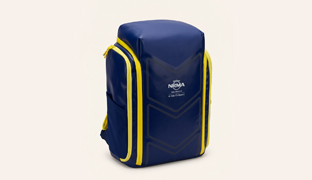
Emergency


We've been helping Australians for 100 years
Having sandbags on hand and knowing the correct way to use them can help prevent damage during a flood or severe storm.
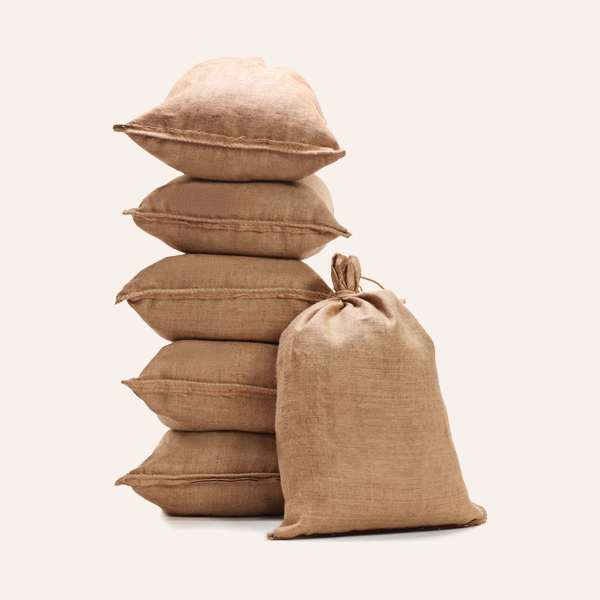
Sandbags are usually available from your local hardware or garden supply store. If there’s a risk of flooding in your area, it’s important to get sandbags ready so you can quickly prepare your home ahead of a potential flood.
It’s also really important to know how to position sandbags both inside and outside your property. Don't just sandbag your front door as flood damage often comes through garage doors, sliding doors and sewer back flow, entering the property through interior drains and even toilets.
Stock up on sandbags ahead of a potential flood. You may also be able to source them from your local hardware or garden supply store. Ideally, use builders’ sand for the best water resistance, or garden soil if sand is not readily available.
Use appropriate safety equipment when preparing sandbags, and especially if you’re removing sandbags after a flood.
If initial flood warnings have been given but you don’t need to evacuate, it may be a good time to prepare sandbags. Here are some general guidelines:
Fill sandbags two-thirds full
This allows the sandbag to mould to fill gaps, and keeps them manageable to carry – even a partially filled, regular sandbag can weigh up to 20 kilograms. Do not overfill sandbags or tie the top of the bag.
Position around entry points
Build a small sandbag wall across external doorways, including sliding doors and garage roller doors. Air vents between brickwork may also need protection from flooding. You can cover smaller vents with waterproof tape or plastic.
Lay sandbags like bricks
Stack them in staggered rows, ideally on plastic sheeting. Overlap and tuck them in tightly to avoid gaps. The number of layers required will depend on the expected flood height, however it’s generally around two sandbag rows high.
Prevent backflow inside
Cover all wastewater drains, including toilets, showers and sinks to prevent greywater entering your home.
If sandbags have been exposed to floodwater, they could be contaminated with human and animal waste, chemicals and other contaminants. Contact your local council on the correct disposal of contaminated and used sandbags. Always wear sturdy gloves and safety glasses if you’re removing sandbags yourself.

Sandbags

Small shovel

Gloves

Safety glasses

Storage shelving units
If you can’t manage to fill or stack your sandbags, ask friends, family and neighbours for help if possible.
If a storm or flood warning has been issued, your local council or SES unit will announce where sandbagging stations may be set up in your area. Check their websites or social channels for information.

The risk ratings displayed by this tool are based on postcode-level data only and are not based on your own home’s characteristics. They reflect an average across all properties within a postcode and are provided as general information. They are not a substitute for a property-specific risk assessment.
Risk is distributed unevenly across properties within any postcode, which means most individual properties will not have the postcode-average risk rating, but will have a risk rating that is either higher or lower than the postcode average shown. This tool should not be used to calculate, predict or estimate the sum insured applicable to any individual property nor is this tool used by NRMA Insurance to calculate your premium. NRMA Insurance accepts no liability for any loss or damage arising from reliance on the information provided by this tool.
The information provided by this tool is general information only and does not constitute financial or professional advice. It does not take into account your individual objectives, financial situation, or needs (“your personal circumstances”). Before making any insurance decision, you should consider your personal circumstances and the relevant Product Disclosure Statement. The Product Disclosure Statement and Target Market Determinations are available at nrma.com.au. Insurance is issued by Insurance Australia Limited ABN 11 000 016 722 AFSL 227681 trading as NRMA Insurance.