Emergency


We've been helping Australians for 100 years
If it’s important or irreplaceable, store it in a waterproof container and elevate it to the highest safe place.
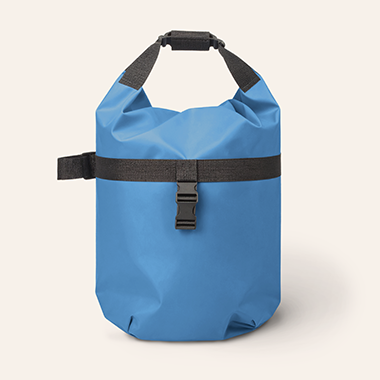
Hard drives containing important data, as well as hard-to-replace documents such as birth certificates, are easy to store in the most elevated safe place in your property. To add an extra level of security, place them in waterproof bags or containers first.
Remember: the best time to prepare is before a flood warning arrives. When waters are rising, it may be too late to secure your valuables.
Sentimental belongings, important items, documents and valuables should all be properly protected. Safely store hard drives, important documents such as birth certificates and passports, precious photos, jewellery, medicines (except those you need to take with you in an evacuation) and irreplaceable items.
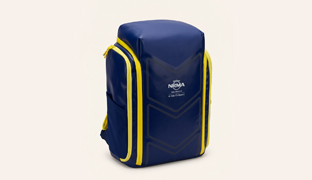
Keep an Emergency Go Bag somewhere safe
Set aside an emergency survival kit and keep it elevated from floodwaters in a location that’s easy to get to and that the whole family knows about.
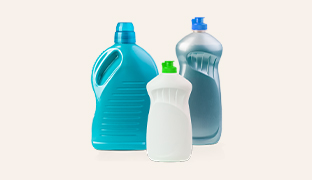
Use dry bags and sealed plastic tubs to store valuables, important and irreplaceable items, as well as your Emergency Go Bag. Make sure plastic tubs have watertight lids that will seal properly and keep water out.
Why dry bags?
Dry bags are specialised waterproof storage bags designed to keep contents completely dry even when fully submerged in water. They’re a step up from basic waterproof bags because they’re engineered specifically to handle water immersion rather than just moisture protection.
Once you’ve properly waterproofed your valuables, move them to the highest point in your property where water won’t reach. This could be an attic, the top floor or your highest shelf.

Plastic crates (with lids)

Dry bags
The risk ratings displayed by this tool are based on postcode-level data only and are not based on your own home’s characteristics. They reflect an average across all properties within a postcode and are provided as general information. They are not a substitute for a property-specific risk assessment.
Risk is distributed unevenly across properties within any postcode, which means most individual properties will not have the postcode-average risk rating, but will have a risk rating that is either higher or lower than the postcode average shown. This tool should not be used to calculate, predict or estimate the sum insured applicable to any individual property nor is this tool used by NRMA Insurance to calculate your premium. NRMA Insurance accepts no liability for any loss or damage arising from reliance on the information provided by this tool.
The information provided by this tool is general information only and does not constitute financial or professional advice. It does not take into account your individual objectives, financial situation, or needs (“your personal circumstances”). Before making any insurance decision, you should consider your personal circumstances and the relevant Product Disclosure Statement. The Product Disclosure Statement and Target Market Determinations are available at nrma.com.au. Insurance is issued by Insurance Australia Limited ABN 11 000 016 722 AFSL 227681 trading as NRMA Insurance.