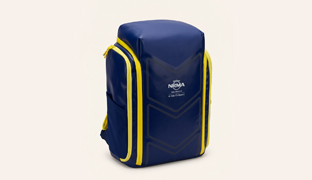
Emergency


We've been helping Australians for 100 years
Storing household chemicals in the highest safe place reduces the risk of them contaminating floodwater.

Most Australian homes contain dozens of potentially hazardous chemicals that many people don’t recognise as dangerous.
When floodwater mixes with household chemicals, it can spread contamination throughout your home and community. Contaminated floodwater could make rescue operations more hazardous and delay emergency responders from reaching people who need help.
Walk through every room, shed and garage. Look for cleaning products, pool chemicals, gardening supplies, automotive fluids, paints, solvents and any items labelled ‘POISON’. Also look for LPG cylinders.
This could be the highest shelves of your garage or garden shed, an attic or top floor, or high shelves or cupboards out of reach of children.
Place chemicals in sealable waterproof containers or heavy-duty sealable plastic bags as an extra layer of protection against moisture and potential leaks.
Keep categories separated. Don't store different types of chemicals together – acids and chlorine-based products can create toxic gases if they mix.
Transfer contents to higher ground or waterproof storage. Cardboard boxes will disintegrate in flood conditions and can clog drains.

Plastic crates (with lids)

Waterproof labels

Heavy-duty plastic bags

Rubber gloves

Storage shelving units
For safe disposal of old or unwanted chemicals ahead of a potential flood, contact your local council about hazardous waste collection days. Never pour chemicals down drains or put them in the regular garbage.
If you discover leaking or damaged chemical containers during flood preparation, don’t attempt to move them yourself.

The risk ratings displayed by this tool are based on postcode-level data only and are not based on your own home’s characteristics. They reflect an average across all properties within a postcode and are provided as general information. They are not a substitute for a property-specific risk assessment.
Risk is distributed unevenly across properties within any postcode, which means most individual properties will not have the postcode-average risk rating, but will have a risk rating that is either higher or lower than the postcode average shown. This tool should not be used to calculate, predict or estimate the sum insured applicable to any individual property nor is this tool used by NRMA Insurance to calculate your premium. NRMA Insurance accepts no liability for any loss or damage arising from reliance on the information provided by this tool.
The information provided by this tool is general information only and does not constitute financial or professional advice. It does not take into account your individual objectives, financial situation, or needs (“your personal circumstances”). Before making any insurance decision, you should consider your personal circumstances and the relevant Product Disclosure Statement. The Product Disclosure Statement and Target Market Determinations are available at nrma.com.au. Insurance is issued by Insurance Australia Limited ABN 11 000 016 722 AFSL 227681 trading as NRMA Insurance.