
We've been helping Australians for 100 years
Not sure about the road rules for electric powered scooters? We break down what's allowed in NSW.
Share this story:

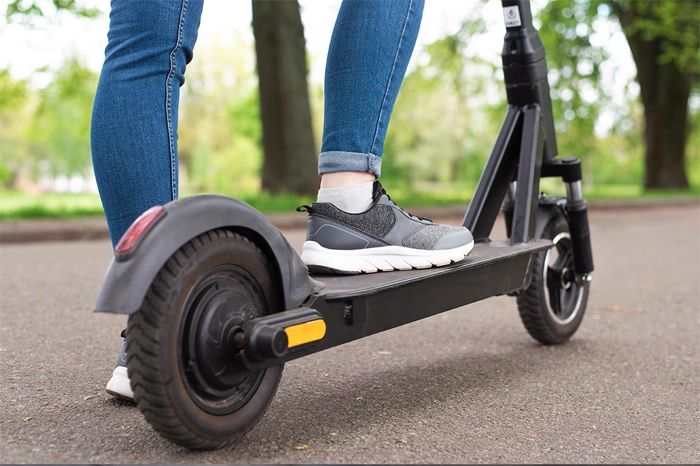
Growing in popularity thanks to their convenience and lowered environmental footprint1, an e-scooter is a two-wheeled, battery-powered personal mobility device designed for a single rider. Typically equipped with turning indicators, weather-proof handles and suspension systems to absorb bumps, e-scooters are available with varying range capacities, with some of the more expensive models capable of travelling up to 90km on a single charge.
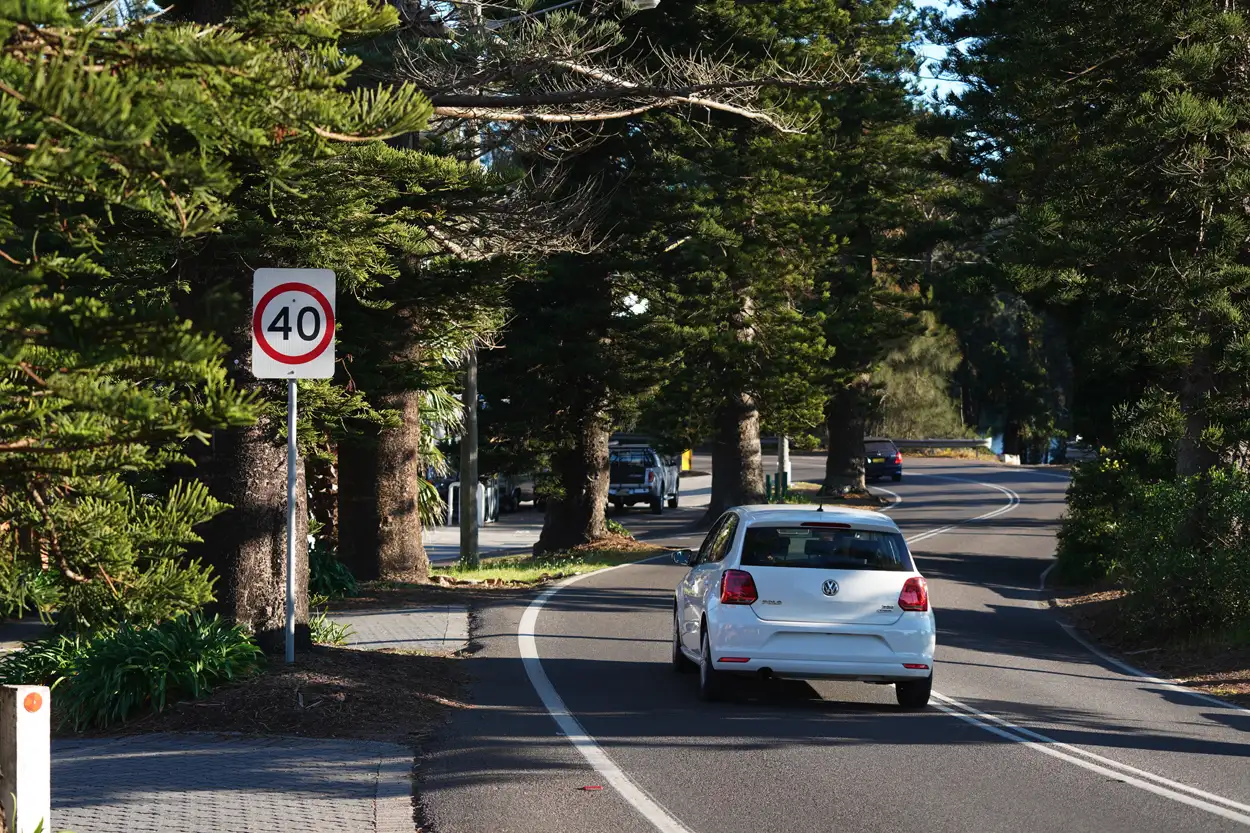
Personal e-scooters can only be used on private property in NSW. It's currently illegal to use a personal e-scooter on NSW roads and road-related areas, including:
However, e-micromobility presents a huge opportunity to influence the transport network, with the potential to reduce reliance on cars for short trips and increase choice and flexibility in ways to get around. As a result, the NSW Government is working closely with NSW councils on a trial program to collect information about e-scooter demand, safety and community sentiment. The program allows users to ride shared e-scooters in select trial sites in places like Wollongong and Forster-Tuncurry.
For more information on the trial, see: NSW Shared E-scooter Trial Program
At trial sites, shared e-scooters are permitted on shared paths, roads and bike lanes with a posted speed limit of 50km/h or lower.
Riders must:
If you ride a privately owned e-scooter on a road or road-related area, penalties may apply for using an unregistered, uninsured and unlicensed motor vehicle. Fines of up to $144 (accurate at the time of publication) may also apply for:
Head over to transport.nsw.gov.au for more information on e-scooters and live trial sites.
1 Olabi, A. G., Wilberforce, T., Obaideen, K., Sayed, E. T., Shehata, N., Alami, A. H., & Abdelkareem, M. A. (2023). Micromobility: Progress, benefits, challenges, policy and regulations, energy sources and storage, and its role in achieving sustainable development goals. International Journal of Thermofluids, 17, 100292. https://doi.org/10.1016/j.ijft.2023.100292.
Information is current as at the date of publication and may be subject to change. All content on the NRMA Insurance Blog is intended to be general in nature and does not constitute and is not intended to be professional advice. It does not take into account your individual objectives, financial situation or needs. References to third-party organisations, products, services or brands on the NRMA Insurance Blog are for informational purposes only and do not imply any affiliation with or endorsement by NRMA Insurance, unless expressly stated otherwise.